How to Teach Your Dog to Skateboard: 8 Vet-Approved Steps for Success

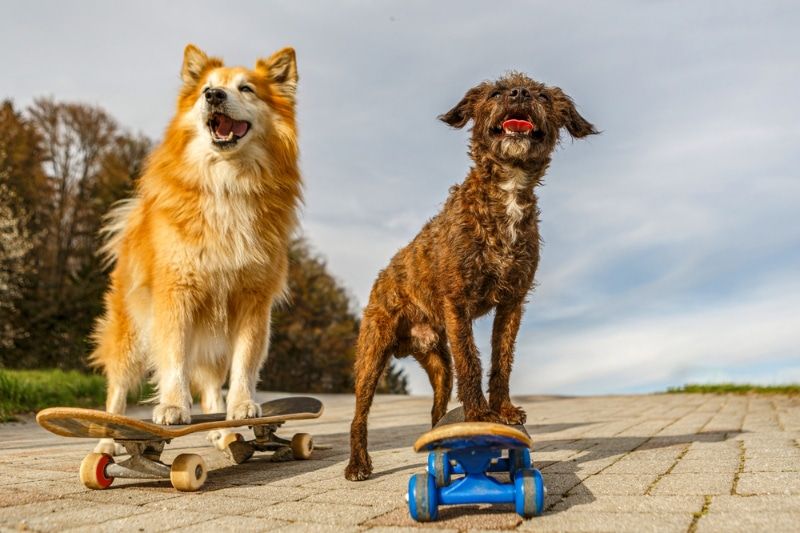
Teaching your dog a new trick can be great fun, and it can help you form a deeper bond with your pet. One of the most eye-catching and attention-drawing tricks that you can teach them is how to ride a skateboard. It’s also surprisingly easy to do with a bit of patience. If you have a medium-sized dog that would look cool riding on a skateboard and seems willing to cooperate, keep reading as we provide a step-by-step guide to making it happen.

Before You Begin
Before you start training your dog to ride a skateboard, ensure that they are right for this trick. Medium-sized dogs are often the best suited to the task because they are large enough to control the board but not so big that it becomes difficult for them to stay on. Dogs with a low center of gravity, like a French Bulldog or a Bull Terrier, might also find it easier to keep their balance. You will want to teach skateboarding to a dog that’s good at learning new tricks and has a personality that isn’t frightened by movement.
The 8 Steps to Teach Your Dog to Skateboard
1. Build Confidence
Before you try to get your dog onto the skateboard, start by placing it in an area that your dog regularly frequents so they can see it, sniff it, and become familiar with it. Doing so will help your pet feel more comfortable around the skateboard, and they will be more confident that it isn’t dangerous when you introduce them to it. Giving them treats when they interact with it can help them associate the skateboard with a positive experience.
2. Introduce Them
Once your dog is familiar with the sight of a skateboard, it’s a good idea to lock up the wheels to keep it from rolling as you introduce it to your pet. You may also need to lock up the trucks to prevent it from rocking from side to side at first if your dog seems nervous. There are commercially available kits to lock up your skateboard, but boxes, books, and walls also work well to keep it in place while your dog learns how to use it.

3. Encourage Them
With the skateboard locked in place, you can encourage them to try it out by holding a toy or treat in your hand to lure them up and on. It can take a few tries and even a few sessions, but keep trying until they are in no hurry to get back off. As you lure them on, say a command like “Get on!” or simply, “Skate!” and give them a treat once they are on to help them understand what you want. You will be ready for the next step when your dog gets on the skateboard by command only, with no need to lure them. They should also feel comfortable while standing on it.
4. Prepare Them for Movement
Once your pet is comfortable on the skateboard, you can start to prepare them for movement by first releasing the trucks if you have them locked so your dog can get used to the side-to-side rocking. It’s also a good time to unlock the wheels, but hold the board so it can move a little but won’t go so far or fast that it might scare your dog. Keep using your command to get them onto the board, and stay on this step until they are comfortable with it, even if it takes several sessions.

5. Do Forward Movement
Once your pet can stand on the board with the trucks and wheels unlocked, you can start to introduce forward motion. Make sure you are in a flat area while your dog is learning this step. Gently push your dog or tie a leash or long rope to one side of the skateboard, and pull them. Only go a short distance at a time, and move very slowly, especially at first. Using the command, “Stay,” or something similar and giving them a treat or extra praise when they comply can help them understand what they are supposed to do and speed up the training process.
6. Do Sustained Movement
Once they are used to going for slow, short rides, you can start taking them for longer and longer rides by attaching a leash or rope to one side of the skateboard. Long rides will help them get used to balancing on the skateboard, and they should eventually be able to handle turns and rough terrain. These trips can also help your dog learn how to steer, and they will naturally start to understand that shifting their weight will turn the board.

7. Try Free Roaming
Once your dog is used to taking longer rides while you pull the skateboard, you can encourage them to take the final step by starting with their front paws on the board and their hind legs on the ground and gently rolling the skateboard back and forth. With luck and sometimes plenty of patience, your dog will catch on to the fact that they can move the board and then jump on it as it’s rolling. Just a word of caution: Once they do, you will likely be spending most of your time chasing after them! So, make sure you are in a safe and car-free area.
8. Choose the Right Environment
Obviously, you won’t be able to let your dog ride a skateboard unsupervised, and as entertaining as it may be for people driving by to see, riding the skateboard on the street is out of the question. Therefore, you will need to find safe places for your dog to enjoy their new hobby. Great locations can include a private driveway, a quiet park that allows pets with tennis courts or other hard surfaces that a skateboard will roll on an empty parking lot, or a dog park.


Tips & Tricks
- Always keep your dog on a leash unless they’re in a secure, enclosed area.
- Ensure that there are no hazards, like broken glass, nails, or other objects on the surface that you will be using that might harm your pet.
- Avoid skateboarding in extreme temperatures or weather.
- Ensure the pavement is not too hot.
- Consider having your pet wear protective gear while riding a skateboard to help keep them safe, which might include paw protectors and a helmet.
- Always supervise your pet while they are riding a skateboard.
Final Thoughts
Teaching your pet to ride a skateboard is not only possible, but it’s also not that difficult, at least to get them to the stage where they will ride on it while you pull them. Some dogs will require more patience than others, but most will have fun trying it out. Remember to give them plenty of time to get used to each step, and for the best chance of success, provide plenty of positive reinforcement in the form of treats and praise to help keep them interested in trying again.
Sources
Featured Image Credit: Annabell Gsoedl, Shutterstock
Expert dog care, straight to your inbox
Vet-reviewed advice, training tips, and the best of Dogster. Free, and you can unsubscribe anytime.
By signing up, you agree to our Terms & Conditions and Privacy & Cookies Policy.
Ed Malaker is a seasoned writer who has contributed to a wide range of blogs covering everything from tools to guitars, and pets to fitness. When Ed isn't writing, he is usually making DIY projects around the house or working in the garden.
Join the conversation
Ask a question, share your story, or send private feedback.