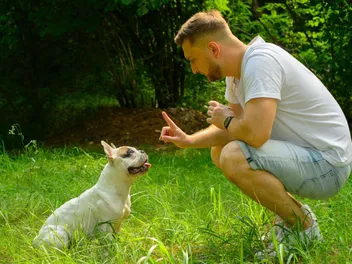
How to Teach a Dog to Bow in 7 Vet-Approved Steps

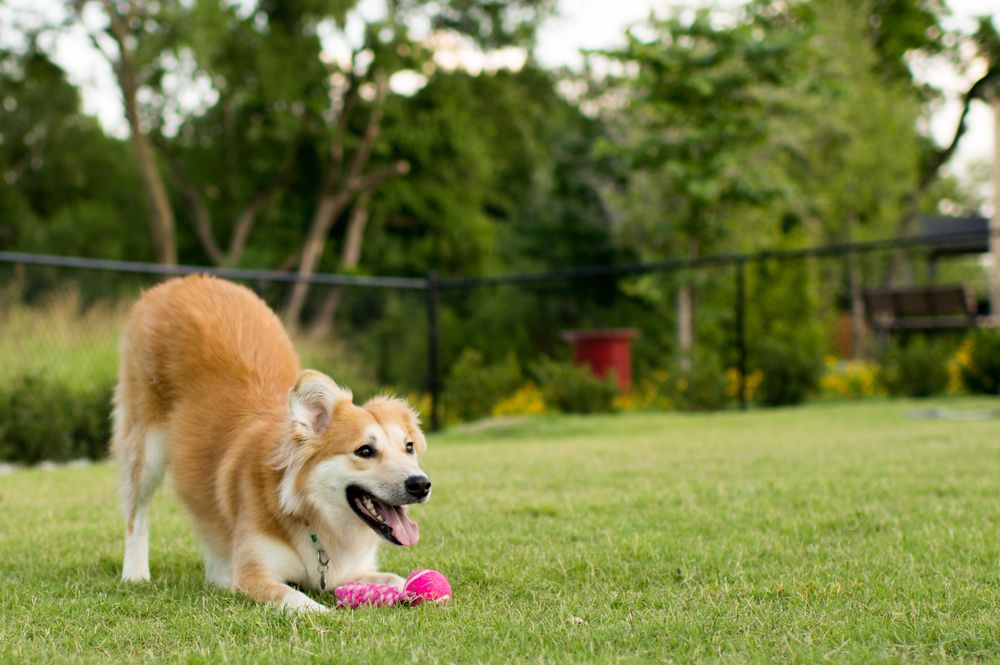
Teaching your dog to bow is an intermediate-level trick. It helps if your dog already understands basic cues such as sit, down, or stay, before you tackle bowing. However, if your dog has learned other tricks, it may be time to teach them how to bow.
Surprisingly, teaching your dog to bow isn’t that complicated. You need to take only seven steps, many of which are very straightforward.

The 7 Steps for Teaching Your Dog to Bow
1. Prepare the Area
At some point, you want your dog to perform their bow trick just about anywhere. However, when they’re learning it, it’s vital that the environment is as quiet as possible. It should be distraction-free and familiar to your dog. The best spot is somewhere in your home, where you can control the distractions and keep your dog focused.
If there are others in your household, they should be out of the way and quiet during this time. We recommend minimizing noise and movement to help your dog concentrate. If you have other dogs, you’ll need to separate them for training.
You may want to do a few warm-up commands to get your dog in the right mindset. However, don’t do too many; the session should stay short, and you want to practice the bow as much as possible. Training sessions should generally last only a few minutes and end while your dog is still interested and successful.

2. Lure Your Dog
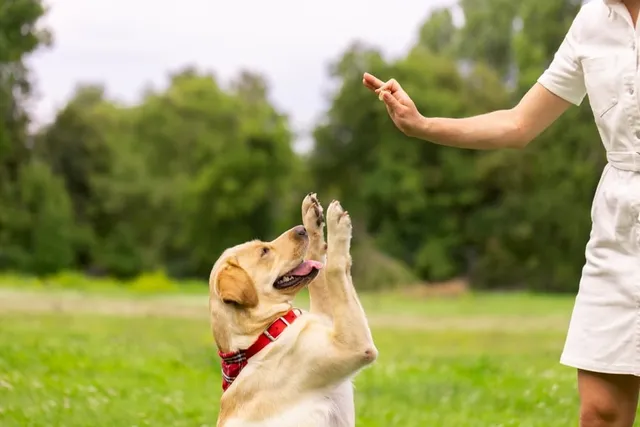
When you’re ready to teach the bow command, get your dog’s attention with a treat. Hold the treat out in front of you and say their name. Start close to their nose, though not so close that your dog tries to grab the treat. Next, slowly move the treat toward the floor. Preferably, their head should follow the treat.
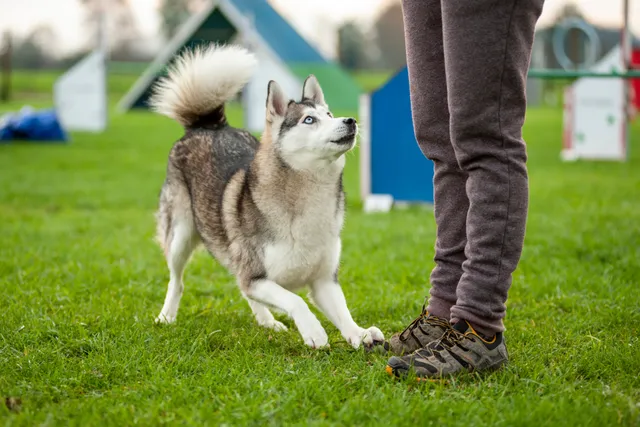
Their front legs should lower as they follow the treat. The goal is for the front end to lower while the hind end remains standing. If your dog naturally touches their elbows to the ground, good job! You can move to the next step. However, some dogs are more cautious and may not move after the treat. You may have to encourage them by using calm verbal encouragement or adjusting the treat position so they follow it.
In some cases, you have to go very slowly. All dogs are different, so adjust accordingly. Your dog may not go all the way down, no matter what you do. Therefore, you’ll have to work with smaller steps. Reward your dog for going as low as they can and marking and reinforcing each small improvement. Increase the distance slowly, encouraging as much progress as possible.
3. Mark and Reward
When your dog moves into the bow position, say “bow” and reward them. They don’t have to do it perfectly. After all, you’re just starting out. Encourage progress, but don’t insist on perfection. If your dog doesn’t do it exactly right and you don’t give the command and reward, it may lead to confusion.
Accept practically any move in the right direction at the beginning. As your dog learns the command, you should move closer to “perfect.” Be patient, especially if your dog is younger or new to obedience. This is a moderately complex behavior, so your dog will need more time to master it.

4. Fade Out the Lure
Continue to lure your dog into a bow position, rewarding successful attempts. As your dog masters the command, you should slowly fade out the lure. Start by using a smaller hand motion or an empty hand signal paired with the verbal cue.
Gradually, you should remove the treat altogether and just give them the command. At some point, they should understand what the word “bow” means and act without luring. While you won’t be luring them with the treat, you should still reward them for the successful response.
Your focus at this step is to stop luring, not to stop providing positive reinforcement.
5. Fade Out the Treat
Next, you should slowly transition to a variable reward schedule rather than rewarding every repetition with food. Start by treating every other successful attempt and using praise or another reward your dog enjoys, such as a toy or brief play, instead of the usual treat. As your dog continues to perform the trick successfully, you can start treating every third time, then every fourth time, etc.
If your dog is still doing well at this stage, you should incorporate other tricks your dog knows into the training sessions. For instance, you can have your dog “sit” and then “bow.” Mixing it up makes your dog think about what you’re asking, which prevents them from automatically bowing without paying attention to the command.

6. Practice in Different Places
Once your dog has mastered the command in your living room, it’s time to move outside. You should start somewhere reasonably calm, like your yard. Slowly introduce distractions at this stage, as well. The goal is for your dog to bow whenever you ask, no matter where they are or what else is happening.
For each new place or distraction you introduce, go back to step two and work back to this step. Dogs may act like they have no idea what you’re asking when you give the command somewhere besides their usual training space. Therefore, it may feel like you’re training your dog all over again.
However, that is normal. Dogs aren’t always very good at taking what they know in one area and moving it to a different area. Luckily, dogs typically pick up the command very quickly. It shouldn’t take nearly as many repetitions as it did when you first taught them.
Once you’ve trained the command in a few places and with distractions, your dog should be able to perform it consistently in most everyday situations.
7. Celebrate!
Training your dog can be a challenge, especially for a moderately complex behavior like “bow.” Therefore, you must celebrate the small milestones and be as patient as possible. Training takes a lot of time, and learning speed varies between individual dogs based on factors such as motivation, reinforcement history, and prior training.
Keep sessions short and always end on a positive note. You want to celebrate small improvements and end before your dog gets bored, frustrated, or tired. You don’t want your dog dreading training times, as they may not be as cooperative.

Conclusion
Bowing is one of the more advanced tricks, and some dogs may be hesitant to lower their front legs in that position. It’s important to take training slowly and only make it harder once your dog has truly mastered the last step. Use treats until your dog has mastered the command, and then slowly remove the need for them.
Be sure to train your dog in many areas. Otherwise, they may have difficulty listening to your command outside of your home.
See also:
Sources
Featured Image Credit: Emily on Time, Shutterstock
Expert dog care, straight to your inbox
Vet-reviewed advice, training tips, and the best of Dogster. Free, and you can unsubscribe anytime.
By signing up, you agree to our Terms & Conditions and Privacy & Cookies Policy.
Kristin loves to help pet parents create a fulfilling life for their pets by informing them on the latest scientific discoveries and helping them choose the best products for their pets. She currently resides in Tennessee with three cats, four dogs, two fish, and a lizard, though she has dreams of owning chickens one day!
Join the conversation
Ask a question, share your story, or send private feedback.