Why Do Small Dogs Bark So Much? 6 Vet-Reviewed Reasons


In this article
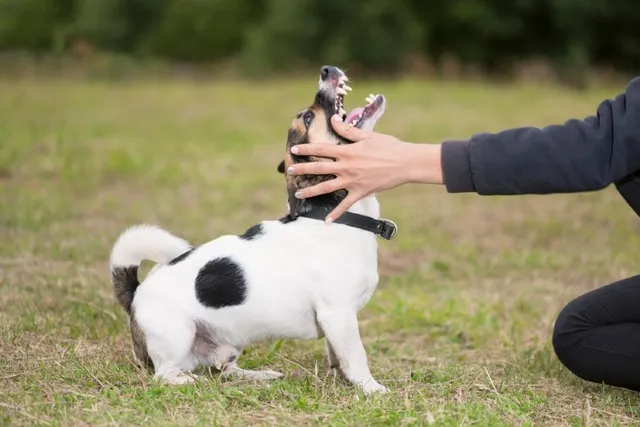
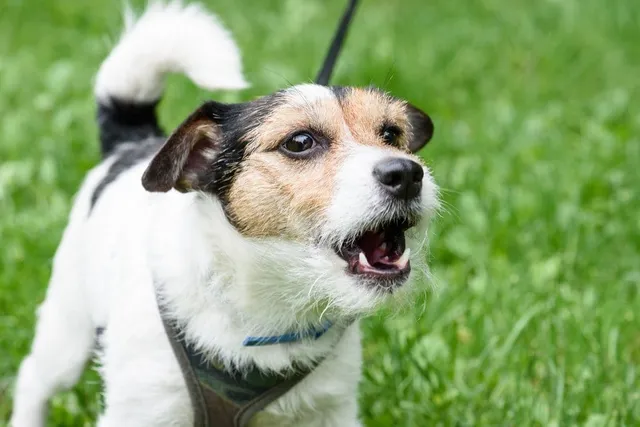
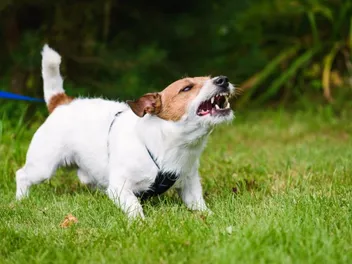
There is a stereotype that small dogs bark more than large dogs. Small dogs are often seen as “yappy” and are thought to bark more frequently and for longer periods of time than large dogs. But is this indeed true, and if so, why?
In a survey presented by the American Kennel Club (AKC), these stereotypes were found to largely be true.1 The survey of over 1,200 small dog owners, found that small dogs are “more excitable and pugnacious (more likely to bark or growl at strangers, visitors, or other dogs)” and “less obedient.” The truth is that there are a number of reasons why small dogs seem to bark more than large dogs, including poor training and more.
Here are six reasons small dogs might bark more than large dogs, including what to do about it.

Do Small Dogs Actually Bark More Than Big Dogs?
As popular as dogs are, there haven’t been many peer-reviewed studies regarding specific dog behaviors, dog genetics, and whether dogs gain traits due to nature or nurture. Due to the lack of peer-reviewed evidence, many of these claims are anecdotal or theoretical. Many people believe that small dogs bark more than large dogs, and there is ample anecdotal evidence to support that claim, but there is no scientific evidence to back it up. If large dogs were treated the same way as small dogs (inconsistent training, low amounts of exercise, etc.), they may bark just as much as small dogs tend to.

The 6 Reasons Small Dogs Might Bark More
1. Small Dog Syndrome
There’s some speculation that small dogs seem to bark more than big dogs due to something called small dog syndrome. The discrepancy in size puts small dogs at a disadvantage, especially when around other dogs.
For example, in the wild, if a small dog was in the presence of larger dogs, the small dog would likely be the number one target of predators. To compensate, small dogs may bark more to make themselves seem larger, scarier, and more aggressive than their large dog counterparts. Small dogs also have to make up for their size around larger dogs by barking to show other dogs that they are not messing around despite their size.
These are just theories. At the end of the day, small dog breeds are the same species as large dogs, so the difference in behavior must be learned or environmental rather than purely genetic.
2. Inconsistent Training
It may also be that small dogs typically do not receive the same level of training and attention that large dogs do. This is because small dogs are generally easier for their owners to handle. Why train your dog to be perfectly obedient when you can just pick them up whenever they start acting poorly? This may have led many small dogs to be less obedient than larger dogs, where training is a must to keep them in line.
This lack of training, discipline, and expectations can lead to excessive barking when compared to larger dogs. General training makes dogs more attentive, more focused, and more obedient, which can reduce the amount of unnecessary barking.

3. Lack of Exercise and Stimulation
There may be many small dog owners who do not emphasize exercise and activity for their dogs. Many small dogs can get carried around, take shorter walks, and participate in fewer shared activities than larger dogs. Small dogs still require exercise and stimulation just like large dogs.
Most people may assume that small dogs have less energy or smaller batteries than large dogs, but that is not always the case. Some small dogs can be incredibly energetic and require structured play, long walks, and attention to keep their energy levels in check. If a small dog does not receive the proper amount of stimulation and exercise, it can lead to excessive barking. This is true in all dogs, but small dog owners may neglect these categories more than large dog owners.
Shared activities are ones where the owner and the dog participate in something together. Many large dogs have jobs that people love to do with them. Some large dogs are hunting dogs, others like to swim, and still more will enjoy a long hike. Large dogs may spend a lot more time doing shared activities than small dogs.
This may be because people think that small dogs don’t need this kind of attention. Other times, people may be worried about the fragility of their dog. Shared activities are a great way to deepen the bond between owner and dog; they also help burn off excess energy, reinforce training, and provide mental stimulation. Without these things, small dogs may be more likely to bark due to boredom, lack of socialization, or poor training.

5. Punishment
The use of punishment in training may be another culprit behind a small dog’s propensity to bark. Whether punishment is used more frequently in small dogs than large dogs isn’t known, but what we do understand is that dogs that receive punishment during training tend to be more anxious, stressed, and fearful, all of which can lead to barking.
If a small dog primarily receives punishment for their actions, it can lead to increased feelings of anxiety, which can manifest as barking. People may use punishment in small dogs for the same reason that training is lax: it is easy to discipline a small dog negatively. People do not realize that using punishment with their small dogs can lead to more barking than positive reinforcement.
6. Bred to Bark
Many small dog breeds were bred for a specific purpose. Small dogs were typically used as vermin hunters or alert dogs. Both of these purposes necessitate barking. Vermin hunting dogs were trained to hunt small animals like rats and mice and bark to scare their prey and alert their owners to the presence of vermin.
Similarly, some small dogs were bred to be watchdogs. Small dogs could be hidden away and would bark when intruders were around.

How to Get Your Dog to Stop Barking So Much
Often the best thing to do with a dog that barks a lot is to simply try and ignore the barking. Many times, dogs are trying to get attention from their owners or other people when they bark. That includes any attention, both good and bad. If the barking gets a rise out of you or gets you to talk to your dog, then the dog is getting what they want. It can be difficult to ignore barking, but ignoring the behavior is the first step to reducing it.
Other things you can try are distracting your dog by getting them to sit, come, or lie down. You can also try and positively reinforce silence by giving them treats when they are quiet and calm. You do not want to play with your dog, give treats to your dog, pet your dog, or otherwise interact with your dog during or shortly after a barking fit because this can create a positive association with barking. Overall, general obedience training can also help reduce the instances of barking in small dogs, so talk to a veterinarian to get tips on how to start with proper training methods.
Conclusion
Small dogs may bark more than large dogs for a number of reasons. Whatever the cause, there are ways to help decrease their barking behavior. If these tips don’t help quiet your noisy pooch, speak to your veterinarian or a professional trainer to help.
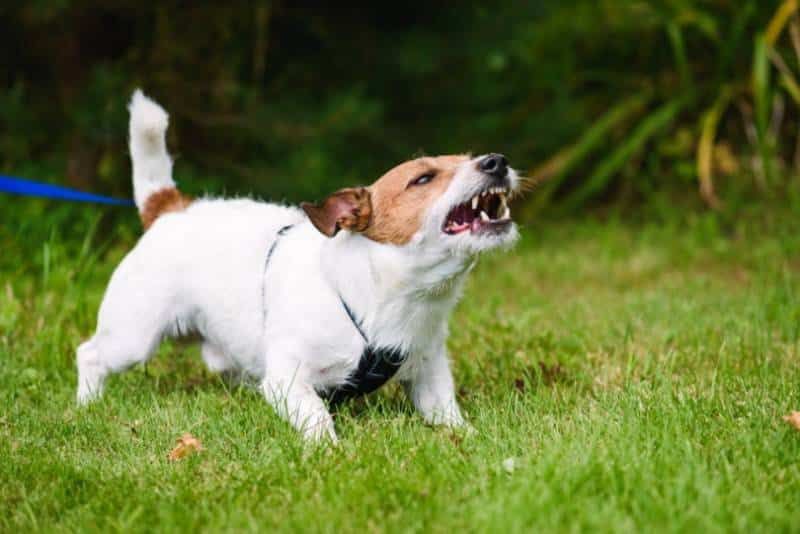
Featured Image Credit: alexei_tm, Shutterstock
Expert dog care, straight to your inbox
News, insights, expert advice, and everything dog.

No spam — unsubscribe anytime.
By signing up, you agree to our Terms & Conditions and Privacy & Cookies Policy.
How useful was this post?
Click a star to rate. You can leave written feedback afterwards. (We read all feedback.)