3 Common Rescue Dog Behavior Problems & How to Manage Them: Vet-Approved Guide

In this article
Adopting a dog from a shelter or rescue organization is a beautiful way to expand your family. Although some shelter and rescue dogs do just fine and adjust to their new homes easily, others find the process more challenging.
Excessive barking, destructive behavior, bathroom incidents, and other signs of separation anxiety are common in dogs who’ve repeatedly been abandoned or rehomed. Spending time in a shelter may increase a dog’s risk of developing the condition. They can also have other behavioral problems like aggression, lack of socialization, and poor training.
Dogs with behavioral issues should always be seen by a veterinarian, who can rule out any possible medical causes and provide guidance about the best way to move forward. Keep reading to learn more about three common rescue dog behavior problems and how to manage them.

The 3 Rescue Dog Behavior Problems
1. Barking

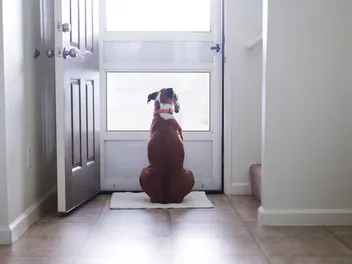
Excessive barking can occur due to fear, boredom, or aggression. Dogs suffering from separation anxiety often start barking right after their owners walk out the door. They also act incredibly happy and may bark excitedly when their favorite people return home. More territorially aggressive dogs will bark at passers by.
The first step is to look at the context of the excessive barking, to determine the likely cause. Dogs with relatively mild separation anxiety can sometimes be helped by counterconditioning, which teaches them to associate what they fear with something positive, like getting a treat. Food puzzles work well in these situations and can keep dogs occupied during what would otherwise be stressful departures. More severe cases will require a more rigorous training program, and possibly medication from a veterinarian.
2. Chewing, Digging, and Escaping

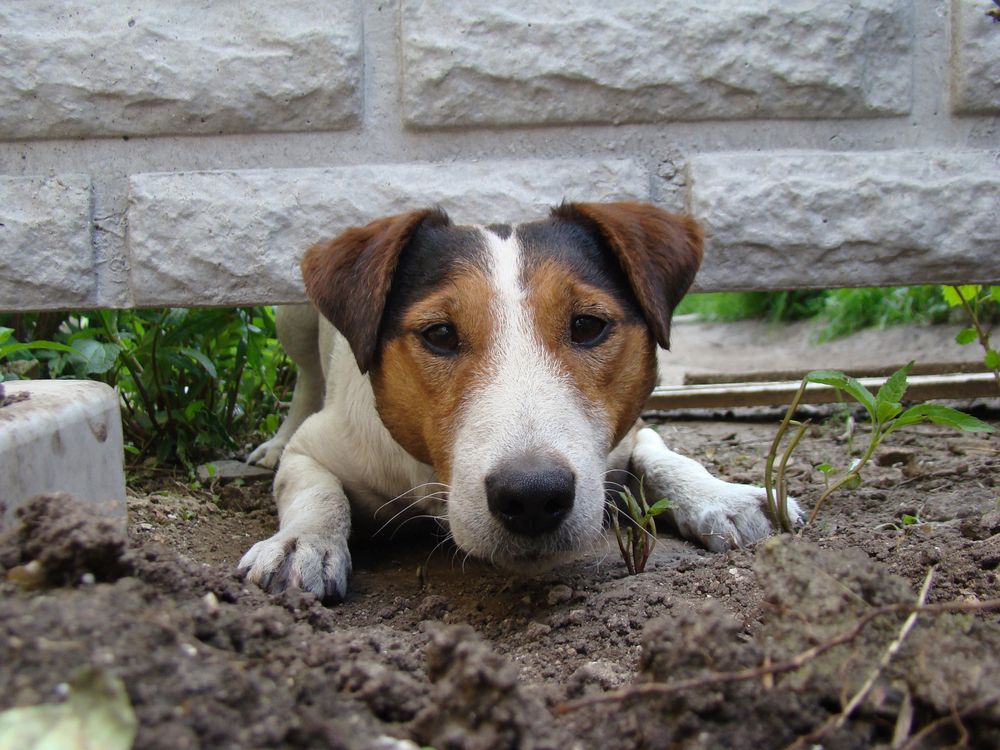
Anxiety and boredom can cause dogs to engage in destructive behavior, such as digging, chewing, and scratching. This behavior becomes dangerous when they try to escape the yard. They could injure themselves in the process, or be hit by a car.
Taking your dog for long walks, providing exercise, and mental stimulation,can decrease their stress and boredom, allowing them to relax while you’re away from home. However, this behavior can be hard to manage if your dog is suffering from separation anxiety. If they enter fight-or-flight mode every time you leave, talk to your veterinarian about medication or over-the-counter calming remedies to help calm them during your absence.
3. Bathroom Incidents

Stress and anxiety can cause dogs to use the bathroom indoors. Dogs with separation anxiety generally don’t have bathroom issues when their humans are around.
Most anxious pups are okay as long as they have someone around, and it may be useful to hire a pet sitter when you’re away at work. Dog sitters can provide exercise, mental stimulation, and friends to play with, and they benefit dogs who don’t do well when left alone.
Alternatively, it may be that your dog was never toilet trained, or has forgotten their training. If your dog toilets inappropriately when you are around, you should refresh their training. Take them outside when they need to go, usually after a sleep or a meal, and give them food rewards for toileting outside. Pair the toileting with a command like “go potty”, and take them for regular bathroom breaks to really cement this training.
What Is Anxiety?
Dogs experience anxiety when they are anticipating something negative. It causes physical reactions similar to those produced in response to fear.
Dogs with separation anxiety become stressed when left alone. When these dogs are alone, they may use the bathroom inside, bark, and destroy furniture. Other signs of separation anxiety include following people around (when they are home), pacing or drooling when left alone, and strongly reacting to indications that someone is about to leave.
No one is precisely sure why separation anxiety is a problem for some dogs and not for others. However, former shelter pets are prone to anxiety problems. Being abandoned, relinquished, or losing a deeply loved person may all be linked to the later development of separation anxiety. Moving to a new home and schedule changes can also trigger it.
Dogs may also be anxious due to unfamiliar experiences. Dogs that were not socialized adequately before the age of 14 weeks can experience anxiety around new people or dogs, even reacting aggressively in some cases. So, the fear of the unknown can also be a contributing factor to behavioral problems in shelter dogs.
Some dogs also have generalized anxiety disorders, or anxiety associated with negative experiences. Since people don’t usually know the full history of their rescue dogs it’s important to keep an open mind about what they are experiencing. Look for clues in their body language, and the context of their behavior to determine how best to help them.

Are There Ways to Help With Anxiety Issues?
Yes, but remember that a visit with the veterinarian should always be the starting point when dealing with behavioral problems in dogs. Veterinarians can rule out medical causes for issues like going to the bathroom indoors and provide comprehensive guidance about managing dogs with anxiety problems.
Potential Treatment Options
Behavior modification techniques that target specific situations are helpful in managing mild anxiety, but the process takes time.
Your veterinarian can give you advice about handling your dog’s stress after ruling out medical causes, and veterinary behavior specialists can help if your pup has severe anxiety. Your vet can also prescribe medications to reduce your dog’s anxiety.
Environmental Tweaks
Routines help dogs feel comfortable and secure. Establishing and sticking to set times for meals and walks can give anxious dogs a sense of predictability and stability.
Providing plenty of daily exercise, playtime, and interactive toys can keep your dog’s mind occupied and prevent boredom.
If there are ways to avoid exposing your dog to anxiety triggers, these should be used. Working from home or hiring a dog sitter are examples for dogs with separation anxiety. Ensuring your home is a comfortable, stress-free environment can help your dog relax.

Extra Resources
Rescue organizations and shelters have resources to assist pet parents with managing behavioral issues. Some even have helplines owners can call to get help with specific problems.
Veterinary behaviorists are trained to evaluate problematic behavior and develop comprehensive plans to address and manage issues. They are particularly helpful when dogs are suffering from moderate or severe anxiety.
Do All Rescue Dogs Have Behavior Issues?
Dogs end up in shelters and rescues for all sorts of reasons. Although some are given up because of behavioral issues, several well-behaved pups wind up in shelters because of unforeseen circumstances. For example, some owners cannot take their pets with them when they move, and others give up their dogs because of allergies.
Some shelters have programs to help anxious or frightened dogs become calm, confident, and comfortable so they can be adopted.

Conclusion
Dogs with challenging pasts who are adopted from shelters and rescue organizations sometimes struggle with fear and anxiety because of past experiences, or lack thereof. Pets with a history of being abandoned or rehomed can be prone to developing separation anxiety, which can result in destructive behavior, using the bathroom indoors, and excessive barking.
Mild anxiety can be managed at home by providing more exercise, establishing routines, and modifying your environment to make it more relaxing for your dog. However, veterinary behavioral specialists can also help pet parents address more challenging situations.
Sources
Featured Image Credit: Sergey 77700, Shutterstock
Expert dog care, straight to your inbox
Vet-reviewed advice, training tips, and the best of Dogster. Free, and you can unsubscribe anytime.
By signing up, you agree to our Terms & Conditions and Privacy & Cookies Policy.
Lorre Luther is a writer from Rotterdam. A former lawyer from the United States, she moved to the Netherlands to follow her dreams and become a writer. Lorre enjoys traveling and reveling in the astonishing beauty of our world. She has a soft spot for animals and is firmly convinced that cats are smarter than humans.
Join the conversation
Ask a question, share your story, or send private feedback.