How to Choose the Right Collar or Harness for Your Dog: 6 Vet-Approved Tips


In this article
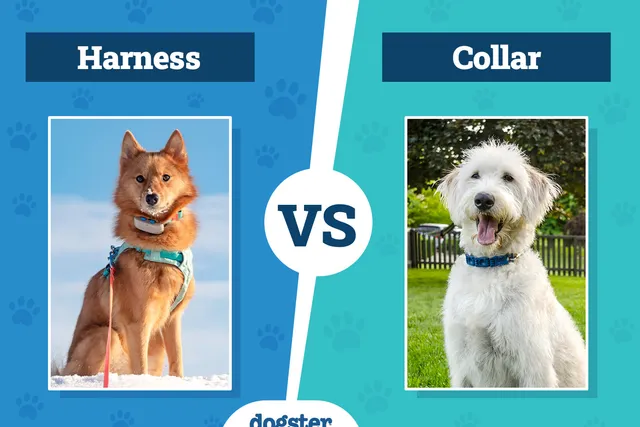
When you’re planning to leash train your dog, several products are available, but they may not all be ideally suited for your pup. With so many less-than-ideal training products, it’s important to research your options so you get the right collar for your dog the first time.
With that in mind, we highlighted several factors to consider when selecting a collar or harness for your pup.

The 6 Tips for Choosing the Right Collar or Harness for Your Dog
1. Consider How Much They Pull

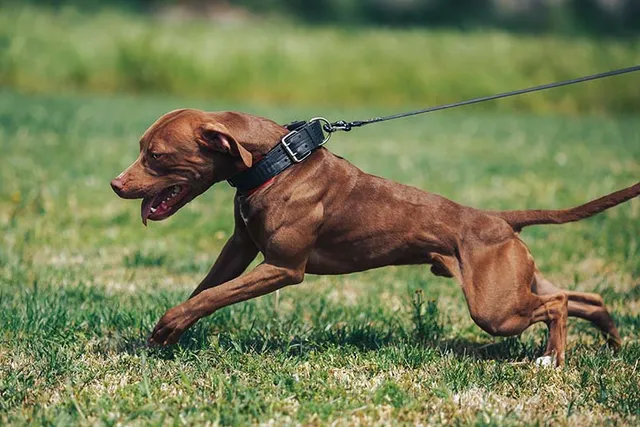
Heavy pullers need a safe and effective restraining device, which is why we recommend a harness. Contrary to popular misconception, harnesses themselves do not encourage pulling; rather, it’s the lack of training that does.
In fact, they ensure that your dog will not suffer from tracheal damage when they do decide to pull. Dogs that don’t pull much might be fine with a collar, but even then, it may be best to play it safe with a harness.
2. Know That Their Size Matters

It’s vital to measure your dog so you get the right size. If you get the wrong size harness or collar, your dog can slip out of it, get tangled up in it, or get chafed or injured. Fortunately, most brands will provide you with a diagram of how and where to measure your dog and how to properly adjust the fit.
Find a harness or collar that fits your pup correctly, and take the time to adjust it. You should be able to slide a finger under the harness or collar when it’s on your pup to ensure that it’s snug but not too tight.
3. Consider Their Temperament

Dogs that run all over the place and are prone to jumping may need special equipment. A durable harness is ideal for energetic dogs, especially those with a working heritage. However, if you have a dog that stays right by your side and isn’t running all over the place, you might be fine with a collar.
Observe how much energy your dog has, and you can decide which one is best for them!
4. Determine What You Are Using It For

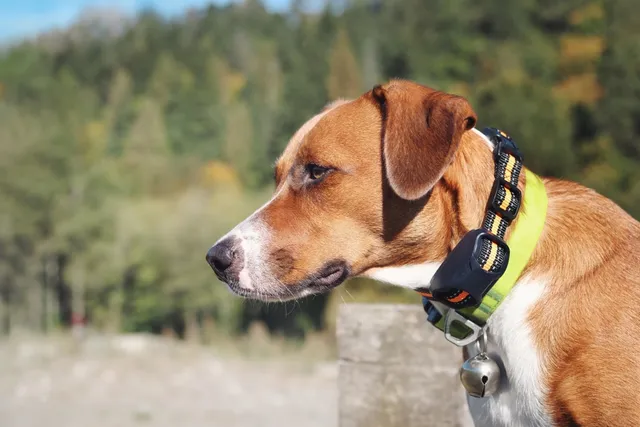
Although we recommend harnesses for most situations, they’re not the ideal choice for every situation. Collars are ideal for holding ID and vaccination tags. Just ensure that the ID fits securely on the collar, and don’t be afraid to throw on a harness when you’re taking your dog out for a walk.
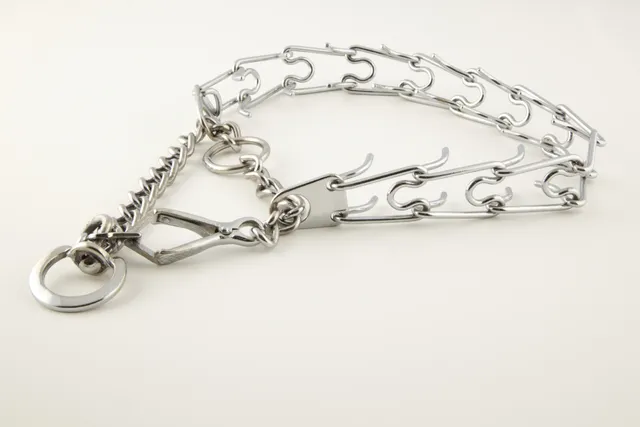
Many trainers love using martingale collars for training purposes, and if you set them up correctly, they can be great training tools. These collars don’t tighten until the dog pulls hard, and they’re gentler and safer than “choke” collars.
5. Consider the Cost

While it’d be nice to ditch the cost factor completely, that’s just not the world we live in. Collars typically only cost a few bucks, while harnesses for larger dogs can easily cost over $40.
Ideally, you’ll want to ensure that you can afford everything that your dog needs before you bring them home, but we understand that things happen, and if you’re in a tough situation, a collar might give you everything that you need for the short term.
6. Train Your Pup

Whether you have a well-trained pup or a rascal on a leash affects the equipment that you use. Well-trained dogs might do just fine with a regular collar since they’re not pulling or actively creating any problems for you, but even then, we recommend a harness just in case they get a little feisty!
Regardless of the collar or harness you pick, we highly recommend training your pup as much as possible to help them enjoy their time outside a bit more. It also makes it a lot easier when you take them out! If you need help, don’t be afraid to consult a vet or a professional trainer.

Harness vs. Gentle Leaders
A gentle leader can be a great choice for training your dog to behave when on a walk. It gently wraps around your pup’s face, ensuring that their trachea stays safe the entire time they’re wearing it.
Gentle leaders can also help your pup stay focused when they’re walking. However, they are typically better used as tools instead of long-term solutions. You can train your dog with a gentle leader, but eventually, they should transition to a collar or harness.
Another thing to consider if you want a gentle leader is your dog's temperament. If your dog jumps up all over the place, especially suddenly, a gentle leader might not be appropriate. It can put a lot of pressure on their face, especially if it’s their first time and they’re not expecting it!

Martingale Collar vs. Harness
The martingale collar is another great training tool. It tightens when your dog pulls up to a preset point. However, if you set it up correctly, it won’t choke your dog, which makes it much safer than choke collars.
However, a martingale collar is not for all-day wear and should only be used on walks. Closely monitor your dog the entire time they wear this collar, and take it off when you’re not actively training them.
Conclusion
We highly recommend using a harness for your dog to eliminate the risk of choking and tracheal damage. However, collars can still be a great choice for holding identification tags, so you don’t need to throw your old collar in the trash!
Remember that training is always essential, no matter what type of collar or harness you use, so take your time and spend quality time with your pup while training them!
Sources
Featured Image Credit: BearFotos, Shutterstock
Expert dog care, straight to your inbox
News, insights, expert advice, and everything dog.

No spam — unsubscribe anytime.
By signing up, you agree to our Terms & Conditions and Privacy & Cookies Policy.
How useful was this post?
Click a star to rate. You can leave written feedback afterwards. (We read all feedback.)
Adam is a professional freelance writer and animal enthusiast who has rescued countless animals throughout the years. He's been a freelance writer for ten years and has been rescuing animals for even longer! Adam is also a proud father of three kids and is always up for a challenge and adventure!