15 Small Dogs That Are Easy to Train: Pictures, Vet-Reviewed History, Facts


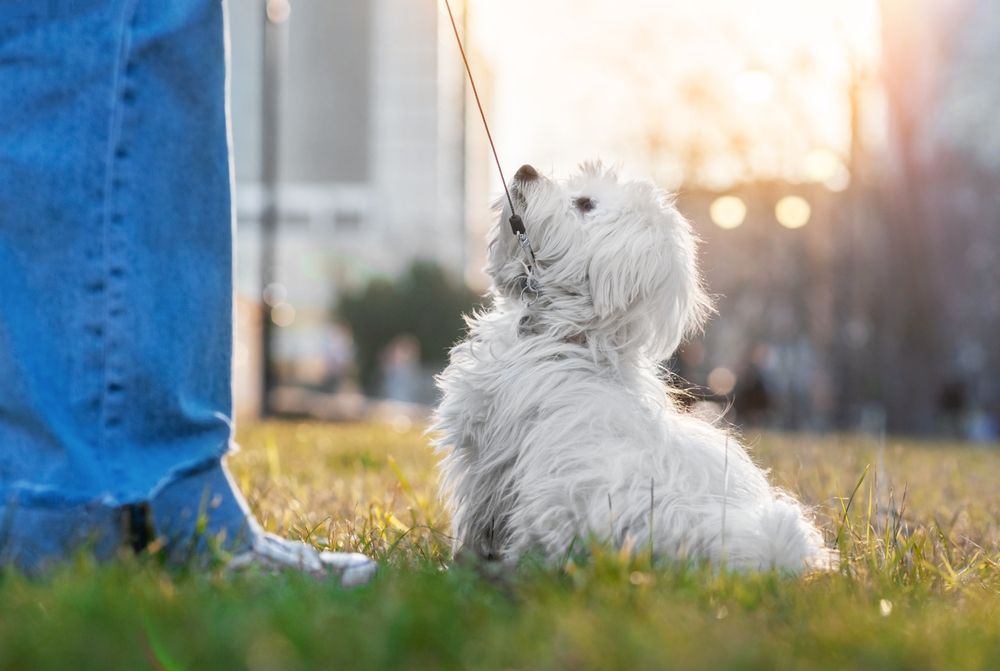
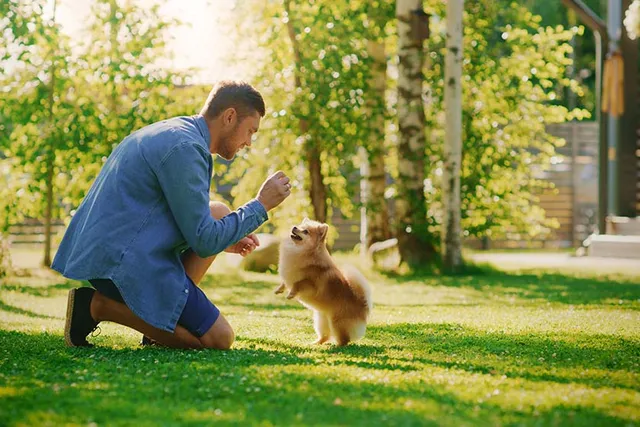
Training is an essential part of being a responsible dog owner. Properly trained pups not only make happier and well-behaved family members, but training provides owners with a perfect opportunity to bond with their new pets. However, some breeds are naturally easier to train than others, especially for first-time owners. While smaller dogs are often physically easier to manage, temperament, intelligence, and eagerness to please also play a major role in trainability.
Read on to find our pick of the 15 small dog breeds that are considered easier to train.

How Are the “Small Dogs That Are Easy to Train” Classified?
Dog breeds are often categorized by their weight, though there doesn't appear to be one specific definition.
Dogs weighing less than 30 pounds are typically considered "small" dogs, so these are the parameters we used when collecting breeds for our blog today. Some of the breeds you'll read about later are actually considered "toy" breeds as they weigh less than 15 pounds.
The ease of training in dogs depends heavily on individual personality, early socialization, and consistency in training. While breed characteristics can influence trainability, they do not guarantee behavior outcomes in every dog. Many of the dogs you'll read about below were bred to be working dogs, which called for higher-than-average intelligence levels, attentiveness, and problem-solving ability. This could explain why these small dog breeds may be easier to train than others.
The 15 Small Dogs That Are Easy to Train
1. Toy Poodle

Breed Overview
Height:
Weight:
Lifespan:
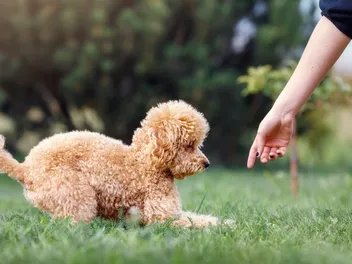
Toy Poodles, like their Miniature and Standard counterparts, are a highly intelligent dog breed. Their smarts, alertness, and often eagerness to please their owners make them a trainable breed. These "thinking" dogs pay close attention to their humans and respond eagerly to positive reinforcement training methods.
Poodles were originally bred as water retrievers. They worked alongside their masters, bringing ducks and other birds back to them. While Toy Poodles were later bred down in size primarily as companion animals, they retain many of the intelligence and trainability traits associated with their working ancestors.
2. American Hairless Terrier

Breed Overview
Height:
Weight:
Lifespan:
The American Hairless Terrier is an intelligent and eager-to-learn dog breed. They love nothing more than pleasing their humans, so training is typically easy and enjoyable for both the human and the dog. These curious and playful pups learn quickly and are a joy to train.
The ancestors of the American Hairless Terrier were bred to hunt rats and other similarly sized vermin. While they retain strong instincts and high energy levels, their lack of coat makes them less suited for outdoor working roles in harsh environments, which is one reason they are primarily kept today as companion animals.
3. Australian Terrier

Breed Overview
Height:
Weight:
Lifespan:
Australian Terriers are intelligent dogs that can learn tasks and commands quickly. They are affectionate with their families and often form strong bonds, though they also retain an independent streak typical of terrier breeds. They can tire of the same training routine over and over, so owners should keep sessions fresh and interesting as well as short and engaging.
Australian Terriers are one of the smallest working terrier breeds. Their ancestors were bred to control mouse and rat populations.
4. Bichon Frise

Breed Overview
Height:
Weight:
Lifespan:
The Bichon Frise is a highly intelligent breed that takes well to training and learning new tricks. They're quick learners, so training them doesn't require too much effort. One of the breed’s most notable traits is its companion-oriented personality. Bichons tend to be affectionate, people-focused dogs that thrive on human interaction and attention.
The breed’s ancestors are believed to have traveled with Mediterranean sailors, where they became popular companion dogs throughout Europe. Over time, the French helped further develop the Bichon Frise into the gentle lapdog and companion breed recognized today.
5. Papillon

Breed Overview
Height:
Weight:
Lifespan:
Papillons are intelligent dogs that genuinely enjoy learning new things. This makes training them not only easy but a joy, too. They love learning new tricks and are quick at picking up commands. In Stanley Coren’s rankings of canine obedience and working intelligence, the Papillon was placed among the top toy breeds.1
The Papillon breed was bred to serve as attentive companions and lap dogs for noblemen in the European royal court.
6. Miniature Schnauzer

Breed Overview
Height:
Weight:
Lifespan:
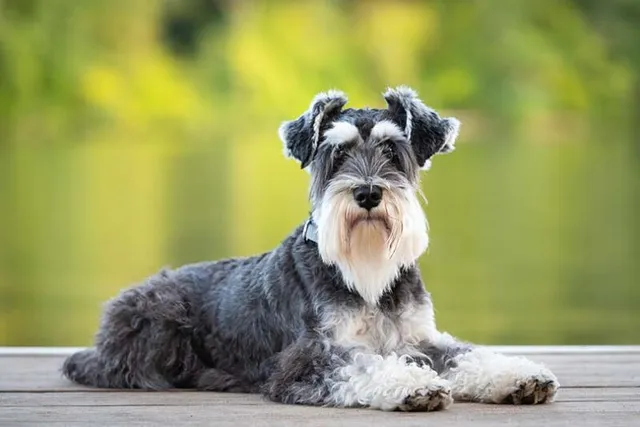
Miniature Schnauzers are a friendly and eager-to-please breed that learns quickly. Their high intelligence and quick-to-bore temperament mean owners will need to be creative with their training regimen. Sessions should be quick and varied to keep the dog engaged and prevent boredom.
Like many of the other small breeds on our list, the Miniature Schnauzer was originally bred to catch rats on farms.
7. Pomeranian

Breed Overview
Height:
Weight:
Lifespan:
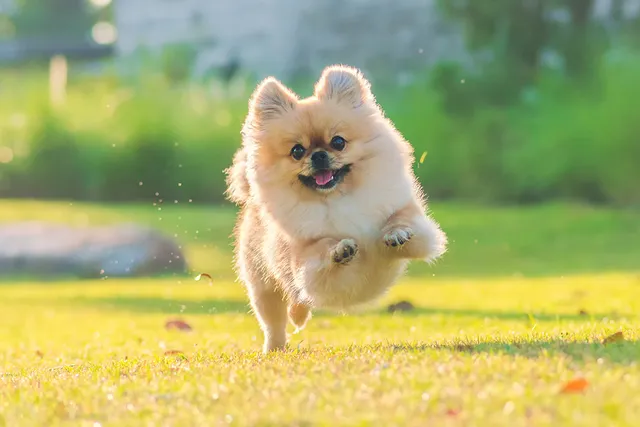
Pomeranians are spunky little dogs with a fairly high intelligence level. They can generally be trained quite easily, though they do sometimes have an independent streak. Poms can excel at dog sports like agility or obedience, but their small size does make them quite fragile.
Though modern Pomeranians are considered a toy breed and typically kept strictly as companions, the original Poms were about twice the size. Their larger ancestors were used for general working purposes such as guarding and pulling sleds before the breed was gradually miniaturized into the companion dog known today.
8. Cavalier King Charles Spaniel

Breed Overview
Height:
Weight:
Lifespan:
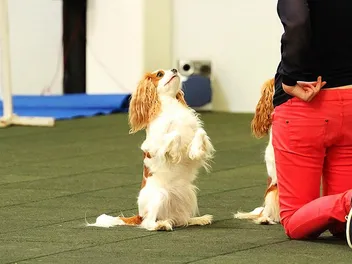
The Cavalier King Charles Spaniel is a smart breed that trains easily. They genuinely enjoy learning new commands and tricks, but they can be sensitive, so it's always best to stay patient and calm when training them. They can excel in numerous canine sports, such as agility or obedience.
The Cavalier King Charles Spaniel was originally bred as a lap dog for nobility.
9. Coton de Tulear

Breed Overview
Height:
Weight:
Lifespan:
The Coton de Tulear is an intelligent and energetic breed that can be easy to train. They can solve problems on their own and learn quite quickly. Their happy and even-tempered personality also makes training them genuinely enjoyable.
The Coton de Tulear originated in Madagascar, where it was historically associated with Malagasy nobility and the Merina tribe and valued primarily as a companion dog.
10. Boston Terriers

Breed Overview
Height:
Weight:
Lifespan:
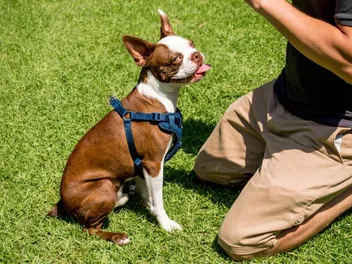
Boston Terriers are intelligent dogs who are eager to please their humans. They're relatively easy to train, but they do best with short and varied training sessions to avoid boredom. Like most dogs, they respond best with positive reinforcement techniques, like rewards and high-value treats.
The breed originated in the United States during the 19th century, and their early ancestors were associated with fighting dogs. The original Boston Terriers were much larger and stronger than the ones we know and love today.
11. Pembroke Welsh Corgi

Breed Overview
Height:
Weight:
Lifespan:
The Pembroke Welsh Corgi is a sturdy, extremely intelligent dog breed, often falling in the small to medium breed category due to their size. This breed excels in various canine sports, including agility, tracking, and herding. Their intelligence and responsiveness can make training rewarding, although their independent streak means consistency and structure are still important.
The Pembroke Welsh Corgi was first developed as a herding dog and farmyard guardian.
12. Toy Fox Terrier

Breed Overview
Height:
Weight:
Lifespan:
The Toy Fox Terrier is a tenacious and intelligent little dog with a naturally extroverted temperament. These loyal and lively pups are usually easy to train and genuinely enjoy a wide range of activities, from hunting to dog sports to just lounging with their favorite humans on the sofa. They may occasionally show the independent streak common in terrier breeds.
The Toy Fox Terrier, like other terrier breeds, was originally bred to hunt vermin.
13. Maltese

Breed Overview
Height:
Weight:
Lifespan:
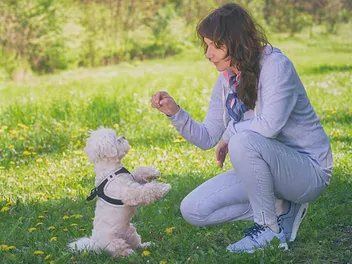
The Maltese is an eager-to-please dog that's usually quite responsive to training. They seem to enjoy learning new commands and wowing their humans with new tricks, and can even excel in various canine sports like agility and obedience.
The original Maltese dogs were the highly valued pets of the wealthy and aristocratic people of Malta.
14. Schipperke

Breed Overview
Height:
Weight:
Lifespan:
The Schipperke is an intelligent and energetic dog that excels in many dog sports, particularly obedience and agility. This confident and alert breed loves having a job to do. They can have an independent streak, but because they're extremely food-motivated, they're still trainable under the right conditions. As long as you have plenty of high-value treats on hand, you'll have your Schipperke's attention.
The Schipperke was originally bred to be guardians on barges and protectors of homes, shops, and families.
15. Miniature Rat Terrier

Breed Overview
Height:
Weight:
Lifespan:
The Miniature Rat Terrier is a bright and agile dog breed with the expert hunting skills and intelligence expected of terriers. Training sessions need to be short, fun, and rewarding. This breed can do quite well in various dog sports, including agility, flyball, and scent work.
Rat Terriers developed in the United States from various terrier-type dogs and became especially popular as farm dogs in the early 20th century. They were originally developed to control the population of farm pests such as rats and rabbits.
Conclusion
Training a dog doesn’t have to be a frustrating experience, especially when you choose a breed that’s naturally responsive to learning. It can be a great bonding experience with your dog, and they’ll learn to pay more attention to you. Whether you’re a first-time dog owner or just looking for an easygoing companion, these small but smart dogs can be suitable choices.
While breed traits can give you an idea, every dog is unique, and it also depends on your level of consistency, patience, and the training methods you apply. If you’re thinking about bringing home a new puppy, why not pick one that is naturally easy to train? Your future self and your dog will thank you.
See Also: The Best Behaved Small Dogs That Make Perfect Pets
Featured Image Credit: New Africa, Shutterstock
Expert dog care, straight to your inbox
News, insights, expert advice, and everything dog.

No spam — unsubscribe anytime.
By signing up, you agree to our Terms & Conditions and Privacy & Cookies Policy.
How useful was this post?
Click a star to rate. You can leave written feedback afterwards. (We read all feedback.)
Chantelle is passionate about two things in her life – writing and animals. She grew up on the prairies of Canada surrounded by animals and as an adult, she choose to share her home with five cats, two guinea pigs, and a bearded dragon. Chantelle, her husband, and their child take great pride in being great animal parents- the ones who spend a thousand dollars on wall-mounted cat shelves so that their cats can have an indoor jungle gym all year round. When Chantelle isn’t snuggling her cats on the couch or taking pictures of them being funny, she’s outside exploring in the Rocky Mountains, binging the same shows on Netflix over and over, and reading about whatever random topic pops into her brain.