Can Dogs Eat Provolone Cheese? Vet-Verified Nutrition Facts & FAQ



In this article
Many foods aren’t necessarily toxic or poisonous to dogs, but they’re still not very good for them to eat. Cheese is one of those foods that doesn’t contain any toxic ingredients for dogs, but it’s not something that you should feed them regularly.
Provolone cheese doesn’t really have many differences from other types of cheese that you may feed to dogs. Some varieties may contain less fat, but it’s not that significant of a difference. Therefore, it’s best to treat provolone cheese like any other cheese that dogs can eat and only feed it to your dog in moderation. Of course, if your dog has any chronic health issues or is on a special diet, make sure to consult your veterinarian before feeding your dog provolone cheese.

Can Dogs Eat Provolone Cheese?
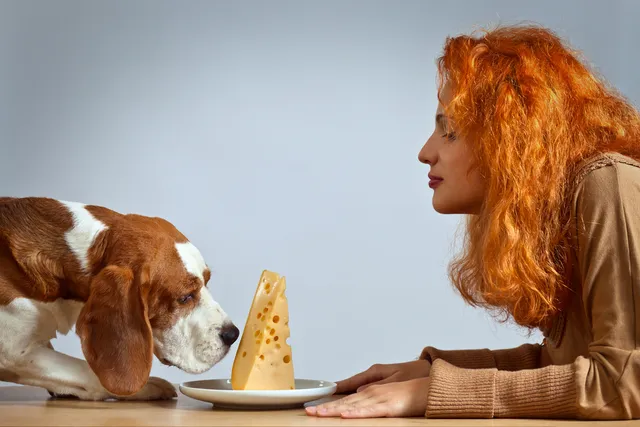
Provolone cheese is a semi-hard cheese made with cow’s milk. Technically, dogs can eat provolone cheese, as it doesn’t contain any toxic ingredients. However, it’s best to refrain from making it a regular part of your dog’s diet and use it as a special treat instead. Provolone cheese can provide some nutrients, but those benefits typically don’t outweigh the downsides. Here’s a breakdown of the common ingredients you’ll find in your basic provolone cheese.
Dairy Milk
Milk does contain some nutrients that benefit dogs as it’s a good source of calcium and protein, which are both essential for dogs in any life stage. It is also rich in a variety of other important vitamins and minerals, including potassium, phosphorus, vitamin A, vitamin B2, vitamin B12, and vitamin D.
While dairy milk is a good source of certain vitamins and minerals, it’s generally not a good idea to feed dogs large quantities of it. It contains a relatively high amount of fat and natural sugars, providing extra calories that can quickly lead to excessive weight gain and obesity.

Salt
Salt is a key ingredient in cheese, as it helps bring out the flavor, regulate moisture, and affect the cheese’s texture. While biting into a piece of provolone cheese won’t cause salt toxicosis in dogs, it’s still important to monitor your dog’s salt intake. It’s not recommended to feed your dog salty foods consistently.
Rennet
Just for your information, the process of cheesemaking requires enzymes to help coagulate milk proteins and turn them into solid cheese. The blend of enzymes used in cheesemaking is commonly referred to as rennet. When purchasing a block or package of provolone cheese, you may see enzymes or rennet mentioned in its ingredient list. Rennet isn’t harmful to dogs, and it doesn’t add nutritional value to the cheese.

Benefits of Feeding Provolone Cheese to Dogs
Most dogs love cheese, which makes it an effective reward to use in obedience training. Since dogs shouldn’t eat too much cheese regularly, a small piece is best reserved as a high-value reward. High-value rewards are used in dog training when dogs are learning a new task or have completed a difficult challenge successfully. They can motivate dogs and help them learn new tasks more quickly.
Provolone cheese is also a great makeshift pill pocket. Its pungent smell can mask pills fairly well, and it’s easy to wrap a slice around a pill. So, if your dog doesn’t like taking their medication or supplements and you can’t crush them, you can always try wrapping some cheese around the capsules to encourage your dog to swallow them.

Risks of Feeding Provolone Cheese to Dogs
Even though provolone cheese doesn’t contain toxic ingredients for dogs, it shouldn’t become a significant part of your dog’s diet since it isn’t capable of being a complete and balanced diet for dogs. There are also some other health risks to factor in before feeding your dog provolone cheese.
High Fat Content
As we’ve briefly mentioned before, provolone cheese contains a relatively high amount of fat. Dogs do require a certain amount of fat regularly but overdoing it can eventually lead to health issues.
You’ll most likely first notice weight gain, which can snowball into obesity. Eating large amounts of fat can also put your dog at risk of developing pancreatitis. Pancreatitis can potentially be life-threatening or cause long-term health issues, including diabetes mellitus and exocrine pancreatic insufficiency (EPI).
Lactose Intolerance
Many adult dogs are lactose intolerant and can’t digest dairy milk very well. Your dog may get an upset stomach if they eat too much cheese or other dairy products. Signs of lactose intolerance include the following:
- Bloating
- Diarrhea
- Abdominal discomfort
- Vomiting
- Flatulence

How to Feed Provolone Cheese to Dogs Safely
If it’s your dog’s first-time trying provolone cheese, make sure to start by feeding them a tiny piece. There’s no need to force your dog to eat it if they’re not interested since cheese doesn’t play a vital role in their diet.
If your dog likes the piece of cheese and eats it, monitor their physical condition for the next few hours and look for signs of an upset stomach. If your dog experiences any issues with digesting the piece of cheese, refrain from giving them cheese again.
After you’ve determined that your dog can eat cheese without any digestive issues, you can start to feed your dog more cheese. We can’t stress enough that it’s best to reserve cheese as a special, occasional treat because overfeeding your dog cheese can lead to the development of chronic health issues.
If your dog happens to sneak a large bite of cheese while you aren’t looking, continue to monitor their physical health and behaviors and look for signs of an upset stomach or sickness. Provide plenty of water for your dog to drink, as consuming too much salt can make them thirsty.
Your dog may experience an upset stomach, and you may need to feed them a bland diet for the time being. If your dog has vomiting or diarrhea that persists for more than 48 hours, consult your veterinarian. Contact your veterinarian immediately if your dog stops eating, is lethargic, or has bloody or black diarrhea.

Conclusion
Provolone cheese is safe for most dogs to eat as long as it’s treated as a special, occasional snack. A way that you can give provolone cheese to your dog is by using it as high-value training treats or makeshift pill pockets. If your dog can’t digest provolone cheese very well, it’s best to avoid feeding them cheese altogether. There are plenty of other safe and nutritious snacks that your dog can enjoy eating without getting an upset stomach.
See also:
Featured Image Credit: Leo Fernandes, Shutterstock
Expert dog care, straight to your inbox
News, insights, expert advice, and everything dog.

No spam — unsubscribe anytime.
By signing up, you agree to our Terms & Conditions and Privacy & Cookies Policy.
How useful was this post?
Click a star to rate. You can leave written feedback afterwards. (We read all feedback.)
Jessica is a freelance writer who spends bigger part of her day researching and writing while her furry companion Cavapoo, Nora, snoozes beside her. She loves dogs, pets and animals because there’s so much to learn from them, and they do so much for us. As a dog mom, she understands the strong connection that pet parents have with their pets. So, she loves sharing helpful information that pet owners can use to better understand their beloved pets. When she isn't writing, you may find her walking dogs, tending to her plants, or drinking her nth cup of coffee.