What Is Hypoallergenic Dog Food Made Of? Vet-Reviewed Explanation


In this article
If your dog is struggling with signs of food allergies (more on those later), your vet may suggest changing to hypoallergenic dog food. But what exactly is hypoallergenic dog food made of?
Typically, hypoallergenic diets for dogs are made from either a novel protein or a hydrolyzed protein source. We’ll explain what those ingredients are in this article. We’ll also talk about why your vet may put your dog on one of these diets and what you can do to help ensure the food change is successful in helping your pup feel better.

What Is A Novel Protein?
Many hypoallergenic dog food recipes are made from a novel protein and other novel ingredients. Food allergy symptoms occur when the dog’s immune system reacts negatively to one or more ingredients in the food. When the dog has an allergic reaction, it must have been exposed to the allergen at least once.
Novel ingredients, mainly protein and carb sources, are those your dog hasn’t been exposed to before. They’re rarely used in standard commercial dog food and have not been previously included in your dog’s diet. If the ingredients are unfamiliar to your dog’s body, they are less likely to trigger an adverse immune response.
Here are some of the most common allergy culprits in standard dog food:
Novel protein diets typically avoid all of these and other common dog food ingredients. Instead, they use proteins such as venison, duck, rabbit, and carbs like potatoes to meet nutritional requirements. However, if your dog has tried rabbit before, a rabbit-based diet is not a novel protein for them. In this way, what is a novel protein varies from dog to dog based on their history.
If your vet prescribes a novel protein diet, they will need to know a detailed history of every food your dog has eaten to ensure they have not already been exposed to any of the ingredients. This is more difficult than it used to be because so many over-the-counter dog foods are now made with unusual proteins.

What Is A Hydrolyzed Protein?
Hydrolyzed protein diets don’t avoid using ingredients like chicken or soy. However, the proteins are first broken down (hydrolyzed) into tiny pieces prior to feeding. Because they are so small, the dog’s immune system is less likely to recognize the hydrolyzed proteins as allergens, which helps reduce the likelihood of a reaction.
Switching to a hydrolyzed-protein hypoallergenic dog food diet is less complicated because it doesn’t matter what ingredients the dog has previously been exposed to, although strict dietary control is still essential during a food trial, meaning no extra treats. The formulation of the food is what reduces the immune response, as the proteins are broken down into smaller fragments that are less likely to trigger an immune reaction.


Reasons Your Dog May Need A Hypoallergenic Diet
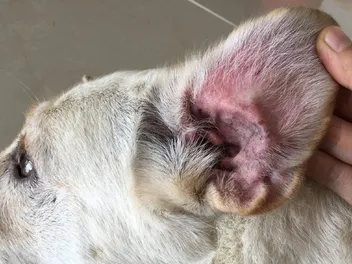
As we already mentioned, the most likely reason your vet will suggest switching to a hypoallergenic diet is suspected food allergies.
Some common symptoms of food allergies include:
If your dog is experiencing these symptoms, it’s vital to see your veterinarian before assuming they are related to food allergies. Several other diseases cause similar symptoms, and it’s essential to rule them out before determining whether food allergies are responsible.
Besides food allergies, vets sometimes use hypoallergenic diets to help manage other conditions such as inflammatory bowel disease (IBD).
Because confirming specific food allergies can be difficult and expensive, the most common solution is to place the dog on a strict elimination diet trial using a hypoallergenic diet. We’ll talk more about that in the next section.


Hypoallergenic Diet Trials
During a hypoallergenic diet trial, you will feed your dog either a novel protein or hydrolyzed protein food exclusively for a set period, usually about 8–12 weeks. Typically, prescription veterinary diets will be selected based on your dog’s food intake history.
Because prescription diets can get expensive, some owners may want to try over-the-counter limited-ingredient food instead. They are typically less effective for diet trials because they may not control ingredient sourcing and cross-contamination as strictly as veterinary therapeutic diets. Non-prescription foods also don’t have to be guarded as strictly against cross-contamination with allergen ingredients.
For the diet trial to have the best chance of success, the dog must eat nothing but the chosen hypoallergenic food for the entire time. Even a flavored flea or heartworm preventative medication or a rawhide chew can throw off the results. The most common reason diet trials are unsuccessful is inconsistent adherence to the diet protocol.
It can take up to 3 months to see results from a diet trial, and patience is critical. Make sure everyone in the house is on board and aware of what the dog can and cannot eat. If you still want to give your dog treats, ask your veterinarian for an approved list of possible snacks.

Conclusion
Hypoallergenic diets for dogs are made of proteins and other ingredients selected to reduce the likelihood of triggering an allergic reaction. Because every dog’s allergies are different, what is “hypoallergenic” for one pup may not be for another, and it’s more accurate to refer to these foods as novel protein or hydrolyzed protein diets. Food allergies can be challenging to diagnose and manage. Gaining an understanding of what is in the diets and how they work can help the process make more sense for you as a dog owner.
See also:
Sources
Featured Image Credit: Jaromir Chalabala, Shutterstock
Expert dog care, straight to your inbox
News, insights, expert advice, and everything dog.

No spam — unsubscribe anytime.
By signing up, you agree to our Terms & Conditions and Privacy & Cookies Policy.
How useful was this post?
Click a star to rate. You can leave written feedback afterwards. (We read all feedback.)
Elizabeth Gray is a lifelong lover of all animals great and small. She got her first cat at 5 years old and at 14, she started working for her local veterinarian. Elizabeth spent more than 20 years working as a veterinary nurse before stepping away to become a stay-at-home parent to her daughter. Now, she is excited to share her hard-earned knowledge (literally--she has scars) with the readers. Elizabeth lives in Iowa with her family, including her two furry kids, Linnard, a husky mix and Algernon, the worldʻs most patient cat. When not writing, she enjoys reading, watching all sports but especially soccer, and spending time outdoors with her family.