How to Prevent Regurgitation in Dogs: 6 Vet-Explained Causes & Helpful Tips


In this article
Regurgitation is defined as an action where something that was swallowed (usually food) is brought up again to the mouth. In dogs, this is also often accompanied by the expulsion of the food from their mouth. For many pet owners, the sight of their beloved pup regurgitating food is often upsetting. Such a reaction is warranted, as in most cases, regurgitation isn’t considered normal. To make matters worse, it may also be confused with vomiting.
The best way to prevent regurgitation is by addressing its underlying cause. In this article, we’ll explain what regurgitation is, how it’s different from vomiting, and what you can do if you observe your pup regurgitating its food.

What Is Regurgitation In Dogs?
As previously explained, regurgitation is an action where something your pup eats is brought up again to the mouth and, for dogs, is often accompanied by the expulsion of the item from their mouth. For many animals, regurgitation is very normal. Many ungulates (hooved animals) known as ruminants constantly regurgitate their food and re-swallow it.
However, for your pup, this action isn’t considered normal. It’s not something a healthy dog should regularly display. An occasional episode of your dog eating too quickly might be accompanied by regurgitation. If this happens at a frequency of about just once per month or less often, it usually isn’t a cause for concern. However, more frequent episodes warrant veterinary attention. Furthermore, determining if your dog is regurgitating can be tricky, as it may also be confused with vomiting.
A Note About Female Dogs With Puppies

Regurgitation Versus Vomiting
Regurgitation can be confused with vomiting, however, there are differences between the two. First, let’s look at the signs associated with regurgitation.
Should You See a Vet?
If you notice your dog regurgitating occasionally (less than once a month or so) after they’ve quickly scarfed down on a large meal, it might not be a big deal. However, if you see the pattern repeating, or your dog who eats at a reasonable pace seems to be regurgitating, it’s recommended that you have a veterinarian inspect your pup as soon as possible.
A veterinarian should also be consulted if a recently weaned puppy is regurgitating, as this may be due to a congenital defect. It is important to remember that regurgitation isn’t a diagnosis, but rather a clinical sign.
If you are unsure if a vet visit is necessary, you can talk to a vet online for guidance on the next steps.
Common Causes of Regurgitation In Dogs
Regurgitation can be caused by many issues. Broadly speaking, the problem can be categorized as one of two: issues that cause a block in the esophagus, or issues and ailments that affect esophageal function.
Issues That May Block the Esophagus
Issues with Esophagus Function
The 6 Tips to Prevent Regurgitation In Dogs
1. Use Slow Feeders
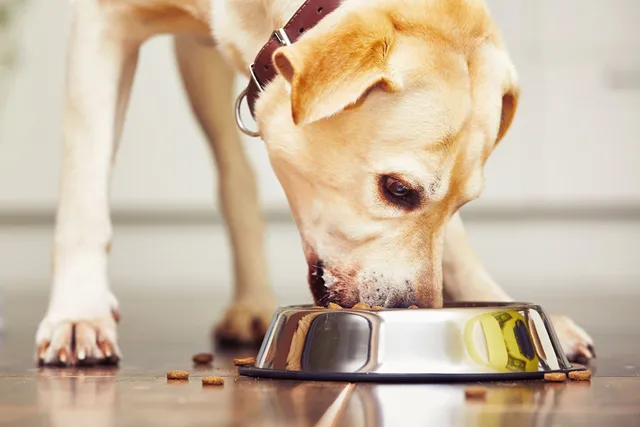
Especially designed bowls that prevent your dog from eating too quickly may be useful and may slow down the pace at which your pup scarfs down their meals.
2. Try Puzzle Treat Dispensers
It may also help to place some portions of your dog’s food in interactive treat dispensers which only dispense a treat after your dog uses them correctly. Not only will this slow down their eating pace, but it also offers both physical and mental exercise for your pup.

3. Consider Hiring a Trainer
If your pup doesn’t behave during mealtime, the services of a dog trainer might prove useful. They may be able to retrain your dog and help improve their table manners.
4. Split Your Pup's Meals
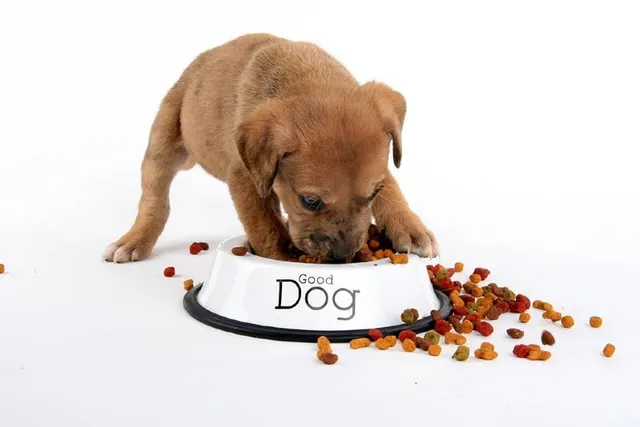
If your pup seems to be scarfing down large amounts of food in a very short period, try splitting their meals into several small feeding sessions per day.

5. Feed Your Dogs Separately
If you have multiple dogs and notice one of them quickly eating their food, they may be doing so out of anxiety and competition. Feeding your pups in separate rooms may help relax an anxious pup, allowing them to slow down the pace at which they eat. This may be a simple and easy fix, but it can greatly help.
6. Try Different Foods
If your pup can quickly eat their food, offering them food that takes slightly longer to chew before they can swallow a morsel may slow down the pace at which they eat. In turn, this may help prevent regurgitation. However, changing your dog’s diet should be something you do slowly, and with the guidance and approval of your veterinarian.

Final Thoughts
Regurgitation, though somewhat common, may be worrying for pet dog owners. If you notice your pup regurgitating its food frequently, your priority should be having them looked at by your veterinarian.
If your pup has no underlying health issues that cause their regurgitation episodes, there are several tricks you can use at home to try to prevent such episodes. We hope the tips we’ve offered in this article prove useful for your dog’s table manners.
Sources
Featured Image Credit: SeventyFour, Shutterstock
Expert dog care, straight to your inbox
News, insights, expert advice, and everything dog.

No spam — unsubscribe anytime.
By signing up, you agree to our Terms & Conditions and Privacy & Cookies Policy.
How useful was this post?
Click a star to rate. You can leave written feedback afterwards. (We read all feedback.)
Dr. Luqman Javed DVM (Veterinarian)
Dr. Luqman (also known as Dr. Lucky) grew up with an extreme fondness for animals of all kinds. By becoming a veterinarian, he turned his childhood dream into reality. Now, his goals are focused on providing help to dogs all around the world by helping dog owners to understand their canine friends better to ensure the best quality of life for them. His passions are wildlife, exotic pets, pet owner education, and animal welfare. He graduated with his DVM from the Universiti Putra Malaysia in 2020. Dr. Lucky has experience with a variety of animal species and has decades of personal experience with keeping many different types of exotic pets, such as turtles, hamsters, freshwater fish, chickens, songbirds, and parrots (and he has extensive skills in training parrots, too).