When Is Dog Diarrhea an Emergency? 4 Situations (Vet Answer)

In this article
Diarrhea in dogs is very common and can occur for various reasons, typically being food-related, but not always. But when is diarrhea in dogs an emergency?
Diarrhea typically becomes a cause for concern and an emergency when your dog has multiple watery stools that last more than a day or are bloody, they lose their appetite, they are lethargic, and they are in pain or vomiting. If your dog presents these signs, take them to the vet as soon as possible because they risk dehydrating, and dehydration can be fatal if not treated in time.
Diarrhea is especially concerning in puppies and senior dogs since the risk of deteriorating is higher for them. Moreover, diarrhea is always more worrying in dogs with underlying health problems, such as those with diabetes, chronic kidney disease, or cancer.

When Does Diarrhea in Dogs Become a Medical Emergency?
It’s normal for dogs to occasionally have a softer stool that resolves on its own. When it persists or other clinical signs occur, diarrhea becomes a medical emergency and requires a visit to the vet.
1. Diarrhea With Blood
Bloody diarrhea can occur in dogs for many reasons, most of which represent medical emergencies. The most common ones are:
The blood in the diarrheal stool can be bright red (fresh blood) or dark red (old or digested blood). When the blood is bright red and streaked, it means that bleeding has occurred somewhere in the terminal part of your dog's intestine. Diarrhea with bright red blood can occur due to colitis, parvovirus, distal foreign objects, anal gland problems, etc.
When the blood is dark red or black, it is more concerning. It means blood is partially digested, a situation in which bleeding has occurred in the upper part of the digestive tract. Diarrhea with dark blood can occur when your dog suffers from a gastric ulcer, has a clotting problem, or has swallowed blood.
In any case, it is always important to take your dog to the vet as soon as possible.

2. Diarrhea That Lasts More Than 24 Hours
Transient diarrheal stools usually go away on their own within a day. If the diarrhea lasts more than a day, your dog can start to dehydrate (because they lost water), especially if they are not eating or drinking properly. Even if your dog does not show any other clinical signs, it is recommended to contact the veterinarian for this reason.
Dehydration is a medical emergency because if it is not recognized and treated in time, your dog can suffer from serious consequences and, in extreme cases, even die. Clinical signs of dehydration in dogs include:
3. Uncontrollable Diarrhea
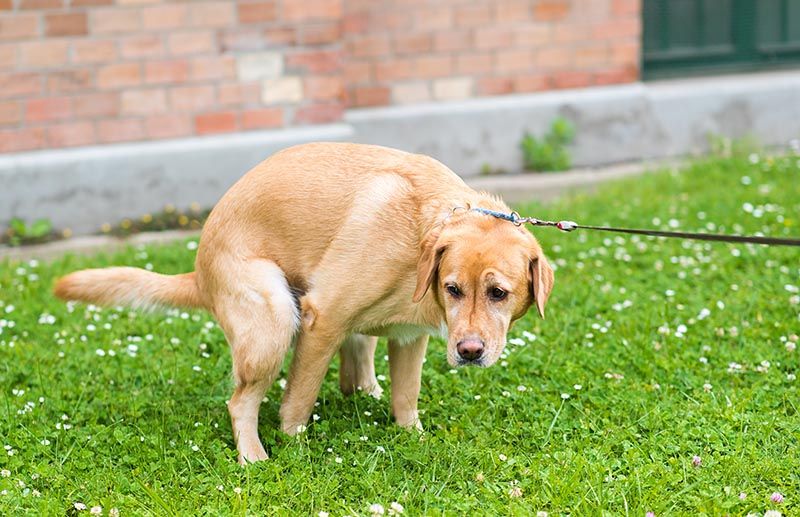
Uncontrollable diarrhea is when your dog is constantly producing watery feces, and they can’t wait to get outside to do their business. The risk of complications is very high because they are losing fluids and electrolytes very quickly without being able to recover. It could be a sign of food poisoning, intoxication, or an infectious digestive disease. Contact the veterinarian as soon as possible.
4. Diarrhea and Vomiting
Diarrhea with vomiting leads quickly to dehydration. If your dog is vomiting, they can’t compensate for the fluid losses through eating or drinking, and therefore, they can deteriorate very quickly. Since dehydration will set in rapidly in this case, it is important to go to the veterinarian for the proper treatment, which will likely consist of antiemetics and intravenous fluids.

What Are the Causes of Diarrhea in Dogs?
When your dog has loose stools or is defecating more often than usual, it can be said that they have diarrhea. It’s not a disease in itself but rather a clinical sign of a condition that often requires treatment. Here are the most common causes of diarrhea in dogs:
- Diet-related (sudden diet change, poor quality food, dietary indiscretion)
- Food allergies/intolerances
- Food poisoning
- Certain drugs, e.g., anti-inflammatories and antibiotics (dogs can be sensitive to certain antibiotics and develop diarrhea; these drugs also kill the good intestinal bacteria, causing a microbial imbalance)
- Viral or bacterial infectious diseases (e.g., parvovirus, coronavirus, distemper, etc.)
- Stress (stressed or anxious dogs may have a few episodes of diarrhea, but these usually resolve on their own)
- Toxic substances or toxic plants (ingestion of these substances can lead to diarrhea and other clinical signs)
- Intestinal worms
- Protozoal infections
- Pancreatic diseases
- Liver diseases
- Intussusception
- Endocrine problems such as hypoadrenocorticism
- Overexertion (when subjected to intense physical exertion, some dogs may have one to two diarrhea episodes in a day, which will resolve on their own)
Frequently Asked Questions (FAQ)
What if My Dog Has Diarrhea for 3 Days?
If your dog has diarrhea for 3 days, it is necessary to contact the veterinarian. You should always contact the vet if your dog has had diarrhea for more than 24 hours. Persistent diarrhea can lead to dehydration, which is a medical emergency. Also, the veterinarian will be able to determine the cause that led to the diarrhea and institute the proper treatment.
Should I Let My Dog’s Diarrhea Run Its Course?
Diarrhea may, on occasion, pass by itself within a day. However, you should never wait if your dog is not eating or drinking properly, if they seem unwell, sleeping more than usual, or if you suspect they have eaten a toxic substance or a foreign body.
If the diarrhea persists for more than 24 hours, take your dog to the vet as soon as possible. If diarrhea is accompanied by vomiting, dehydration will definitely set in much faster. Dehydration is a medical emergency because your dog can die if it is not treated in time.

Conclusion
One softer stool now and then is likely not a medical emergency. But if your dog has multiple watery stools in a day or the diarrhea lasts more than 24 hours, is bloody, or is accompanied by vomiting or other clinical signs, it represents a medical emergency, and you must contact the veterinarian as soon as possible. It is recommended not to wait for the diarrhea to go away on its own without contacting your vet because you risk your dog becoming dehydrated, and severe dehydration can lead to death. Diarrhea can have several causes, the most common being dietary indiscretions, infectious diseases, ingestion of toxic substances or foreign bodies, and intestinal parasites.
Sources
Featured Image Credit: SasaStock, Shutterstock
Expert dog care, straight to your inbox
News, insights, expert advice, and everything dog.

No spam — unsubscribe anytime.
By signing up, you agree to our Terms & Conditions and Privacy & Cookies Policy.
How useful was this post?
Click a star to rate. You can leave written feedback afterwards. (We read all feedback.)
Dr. Marta Vidal-Abarca BVSc GPCert (Ophthal) MRCVS (Veterinarian)
Dr. Marta has over 16 years of veterinary experience, working across the UK and Spain as a remote veterinary consultant and in the clinic. She graduated from Cardenal Herrera-CEU University in Valencia, Spain. She holds two Ophthalmology Certificates, GPCert Ophthal from ESVPS and UAB. She has wide experience in small animal internal medicine and surgery with a soft spot for dogs. Marta is a member of the Royal College of Veterinary Surgeons, and her main fields of interest are ophthalmology and critical care medicine. Dr. Marta loves being able to share the most helpful information with pet parents across the world as one of Pangolia's in-house veterinarians. She wants to provide details that can help in all aspects of pets' lives with their beloved ones. She loves knowing that she can support our readers and communicate about any medical topic that might be relevant to their pet's health and well-being.