Can Dogs Eat Cloves? Vet-Reviewed Health & Nutrition Facts



In this article
Cloves add a warm, rich, almost sharp flavor to food and drinks. It's packed full of inflammation-fighting nutrients that may help ease joint and arthritis pain. But what about dogs and cloves? Although eating a bite of food containing cloves may be harmless, dogs should not consume cloves. Cloves contain the chemical compound eugenol; it's what makes the plant such a powerful inflammation fighter, but it can be toxic to dogs if consumed in sufficient quantities.
Canines must ingest a large quantity to experience problems, which are usually gastrointestinal issues such as vomiting and diarrhea. A bite of gingerbread probably won't hurt your pet, but due to their concentrated formulas, clove supplements and essential oils can be problematic for dogs.

Signs of Clove Poisoning

Dogs that eat too many cloves often vomit or experience diarrhea. Drooling, loss of appetite, and seizures are also common. If your pet gets into your spice rack and eats a mouthful of cloves, they can easily consume more than enough of the spice to induce toxicity. Clove essential oils are another common cause of canine eugenol poisoning. Because they're so concentrated, essential oils can be particularly problematic for pets, whether inhaled, absorbed through the skin, or ingested.1
Contact your veterinarian immediately if your pet consumes any food or supplement containing cloves or gets into clove essential oil. Let them know the type of product your pet ate, how much, when, and if your companion is showing any signs of clove poisoning, such as gastrointestinal difficulties, lethargy, weakness, or lack of coordination.
Your veterinarian may recommend that you carefully observe your pet at home or advise you to bring your companion in for treatment. Keep in mind that early intervention often results in better outcomes regarding toxins.
Are There Other Spices Dogs Should Avoid?
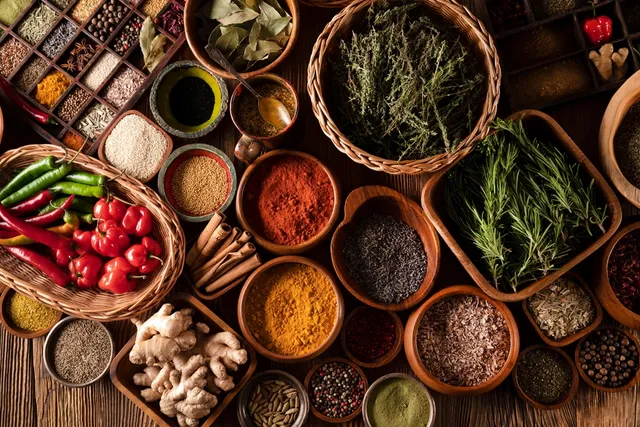
Several spices and vegetables commonly used as flavor enhancers can be toxic to dogs, including onions, chives, garlic, and leeks. Other spices to avoid include cocoa powder, marjoram, allspice, nutmeg, and salt.
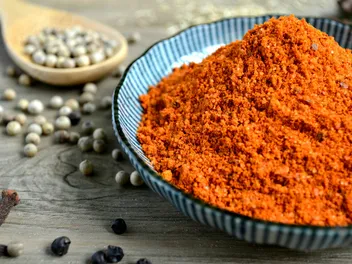
It is also best to avoid curry powders as they often contain powdered onions and garlic, both of which are highly toxic to dogs. Vanilla extract usually has alcohol which is poisonous to canines, and chili powder can irritate canine tummies. Other human foods to avoid include avocados, grapes, raisins, and macadamia nuts.
Are There Human Foods Dogs Can Eat?

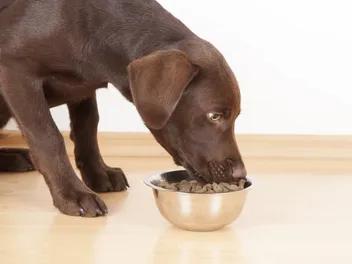
While dogs should always avoid processed human treats such as candy, chips, and cakes due to the high percentages of fat, salt, and other chemicals these products contain, meat and vegetables cooked appropriately are usually fine.
Dogs can benefit from small amounts of cooked fish, beef, chicken, duck, and pork. To make the meal healthy for your dog, skip the salt and other seasonings, ensure the meat is thoroughly cooked, and remove the bones before serving it to your dog.
Sweet potatoes, carrots, and eggs are all tasty treats that most dogs happily gobble up. Corn is fine, but remember to remove it from the cob before letting your dog dig in since corn cobs consumed whole can cause serious bowel obstructions that sometimes require surgery. Vegetables such as spinach, green beans, and even broccoli are perfectly fine as long as they're not dripping in fat and salt.
The key to "cooking" human food for your pet is to keep things fresh and healthy by not adding fat, salt, and other seasonings designed to appeal to human taste buds. Treats should make up only 10% of your dog’s diet to ensure they get the nutrients they need to be healthy without exceeding their daily caloric intake.
Conclusion
Cloves smell great and provide health benefits to humans, but they can be toxic to your dog if it manages to eat enough of the pungent spice. Dogs are sensitive to the eugenol in cloves, and too much can cause them to throw up, become lethargic, and experience seizures.
Reach out to your veterinarian for advice if your pet gets into any product containing cloves, but take your dog to the emergency clinic if it displays troubling signs after consuming a considerable amount of cloves.
See also:
Expert dog care, straight to your inbox
News, insights, expert advice, and everything dog.

No spam — unsubscribe anytime.
By signing up, you agree to our Terms & Conditions and Privacy & Cookies Policy.
How useful was this post?
Click a star to rate. You can leave written feedback afterwards. (We read all feedback.)
Lorre Luther is a writer from Rotterdam. A former lawyer from the United States, she moved to the Netherlands to follow her dreams and become a writer. Lorre enjoys traveling and reveling in the astonishing beauty of our world. She has a soft spot for animals and is firmly convinced that cats are smarter than humans.