Can Dogs Eat Cassava? Vet Reviewed Nutrition Facts


In this article
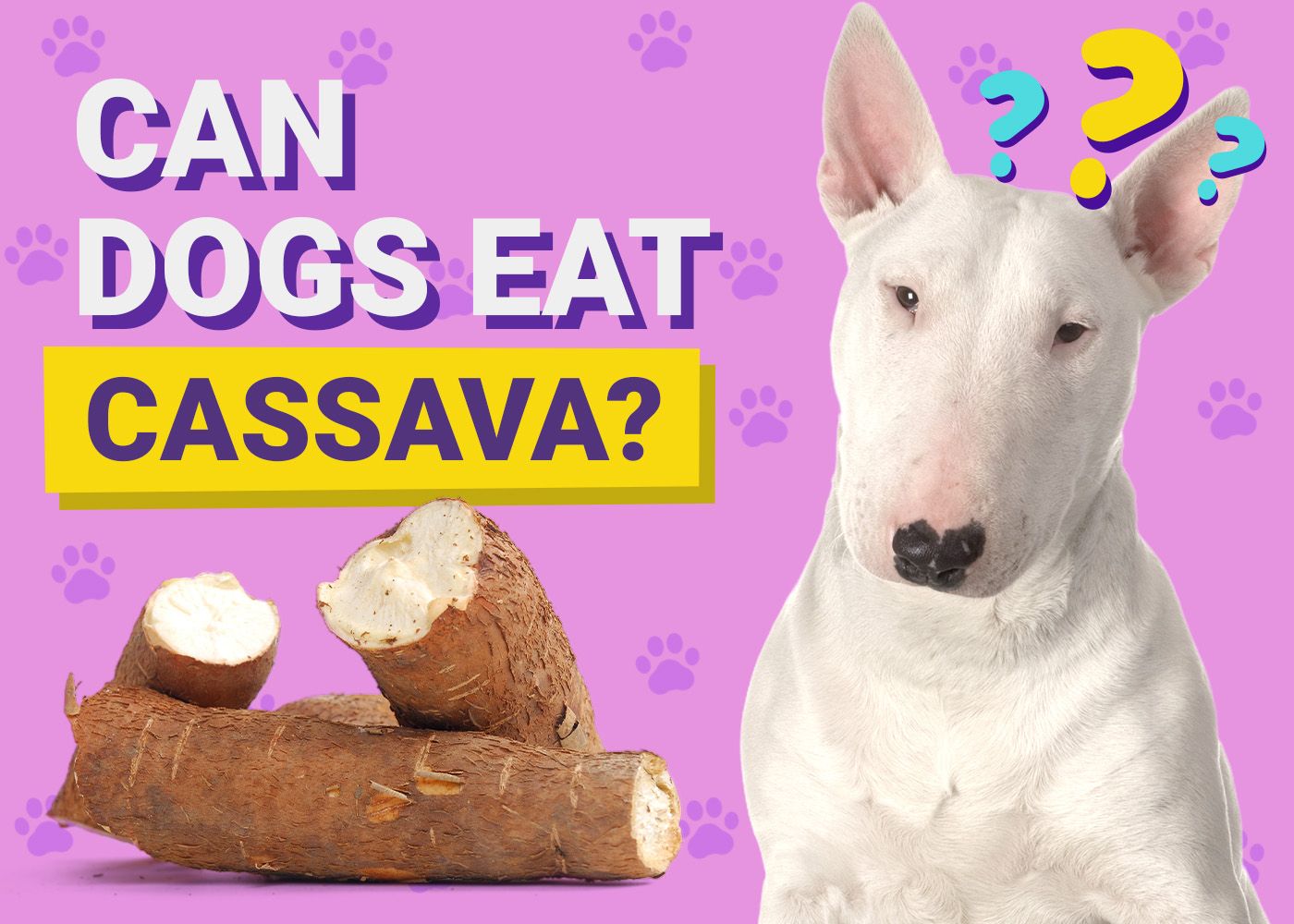
Dogs are known for eating just about anything that they can get their paws on, whether it’s a piece of meat, something sweet, or even a vegetable. You may not think that a dog would actually want to eat something like cassava, but surprisingly, many dogs don’t mind this food! Whether you are planning to add it to your dog’s homemade diet, you see it in their commercial dog food’s ingredients list, or they snatched a piece of cassava off the kitchen counter, you may be wondering whether this is a good food to feed a canine.
The good news is that when prepared properly, cassava is safe for dogs to eat in moderation. There is more to the story, however, so we broke down all the information that you need to know here. This way, you can be confident when deciding whether to let your dog eat cassava.

What Exactly Is Cassava?
Also referred to as yucca in certain parts of the world, cassava is a woody shrub or tree that is native to South America. The starchy root (referred to as a vegetable) of the plant is what’s commonly harvested for consumption as a source of carbohydrates, vitamins, and minerals. Cassava happens to be the third largest source of carbohydrates in tropical locations.
This is a hardy plant that tolerates drought well and can grow in little soil. It can be either bitter or sweet, depending on the variety being harvested. Cassava is extremely versatile and can be used in many cooking and baking applications. This root veggie is responsible for tapioca, as it’s the main ingredient.

The Nutritional Benefits of Cassava
Cassava is a great source of carbohydrates, which is why it’s a staple food for millions of people, especially in the tropics. However, carbs aren’t the only thing that this starchy vegetable has to offer. Here is a nutritional breakdown for reference:
| Amount per 100 Grams | % Daily Value |
| Protein | 1.5 Grams |
| Fat | 3 Grams |
| Carbohydrates | 40 Grams |
| Fiber | 2 Grams |
| Vitamin C | 20% DV |
| Copper | 12% DV |
| Thiamine | 7% DV |
| Vitamin B6 | 6% DV |
| Potassium | 6% DV |
| Magnesium | 5% DV |
| Niacin | 5% DV |
Many nutrients in cassava are beneficial to a dog’s overall health. It’s also a great source of resistant starch, which bypasses the digestive system and feeds healthy gut bacteria, and this could help reduce overall inflammation. Other benefits include the following.
Enhances Energy Levels
The high-calorie content in cassava can help boost the energy levels in older dogs and those that are energetic.
Helps Regulate Blood Sugar Levels
The resistant starch in cassava could even help reduce the appetite of dogs that tend to overindulge at mealtime.
Maintains Healthy Skin and Hair
Due to all the vitamin C that it contains, cassava can help synthesize collagen, which results in soft, smooth skin and a healthy coat overall. The vitamin C is also reported to help strengthen hair follicles so your dog won't lose as much as time goes on.
Since dogs are considered omnivores (though debates are rising about this), they can digest plant foods and break down plant nutrients. So, there is no worry about whether your dog can handle absorbing the nutrients made available to them when consuming cassava.

The Nutritional Concerns of Cassava
While there are many nutritional benefits of eating cassava in humans, a few concerns should be addressed before deciding whether to feed this food to your beloved canine companion. First, cassava should always be cooked before serving, as raw cassava can cause cyanide poisoning when consumed in large amounts. Even when eaten in small amounts regularly over time, it can cause unwanted long-term health effects.
Another thing to consider is that cassava is considerably higher in calories than most other types of root vegetables. Around 330 calories can be found in each cup of cassava. Therefore, it can contribute to weight gain if serving size is not taken into account at mealtimes.
What to Do If Your Dog Eats Raw Cassava
If your dog gets a hold of cassava before it has been cooked and prepared, keep a close eye on them for indications of cyanide poisoning as you’re taking them to an emergency veterinary center.
Signs Include:
Don't wait until side effects start to arise before heading to the vet, as death can occur within mere hours of the poisoning taking place. If you do notice signs before getting to the vet, call them immediately to get expert guidance so they can help you determine what steps should be taken while you’re traveling to their clinic.
Conclusion
Cassava can be eaten by dogs if it is cooked and prepared properly. Raw cassava is toxic to dogs. Like any other food, cassava should be consumed in moderation and should not make up the bulk of your dog’s diet.
Related Reads:
Expert dog care, straight to your inbox
News, insights, expert advice, and everything dog.

No spam — unsubscribe anytime.
By signing up, you agree to our Terms & Conditions and Privacy & Cookies Policy.
How useful was this post?
Click a star to rate. You can leave written feedback afterwards. (We read all feedback.)
Rachael has been a freelance writer since 2000. In this time she has had an opportunity to research and write about many different topics while working to master the art of fusing high-quality content with effective content marketing strategies. She is an artist at heart and loves to read, paint, and make jewelry. As a vegan, Rachael is obsessed with helping animals in need, both in her community and anywhere in the world where she feels she can make a difference. Animals also happen to be her favorite topic to write about! She lives off the grid in Hawaii with her husband, her garden, and her rescue animals including 5 dogs, a cat, a goat, and flock of chickens.