Can Dogs Eat Sweet Potato Skins? Vet-Verified Nutrition Facts


In this article
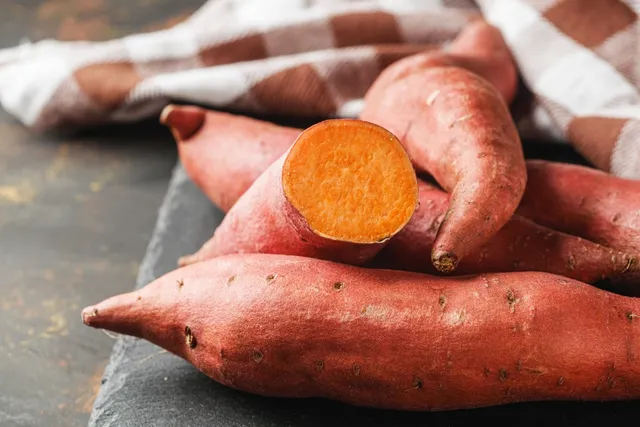
Sweet potatoes can be an excellent treat to give your dog occasionally. They're soft when cooked, tasty, and nutritious. Dogs are omnivores and so can derive important nutrients from both plant and animal sources. As much as dogs benefit from meat, vegetables also form a healthy part of their diets. Sweet potatoes can be an excellent option because they're packed with nutrients, and dogs love them!
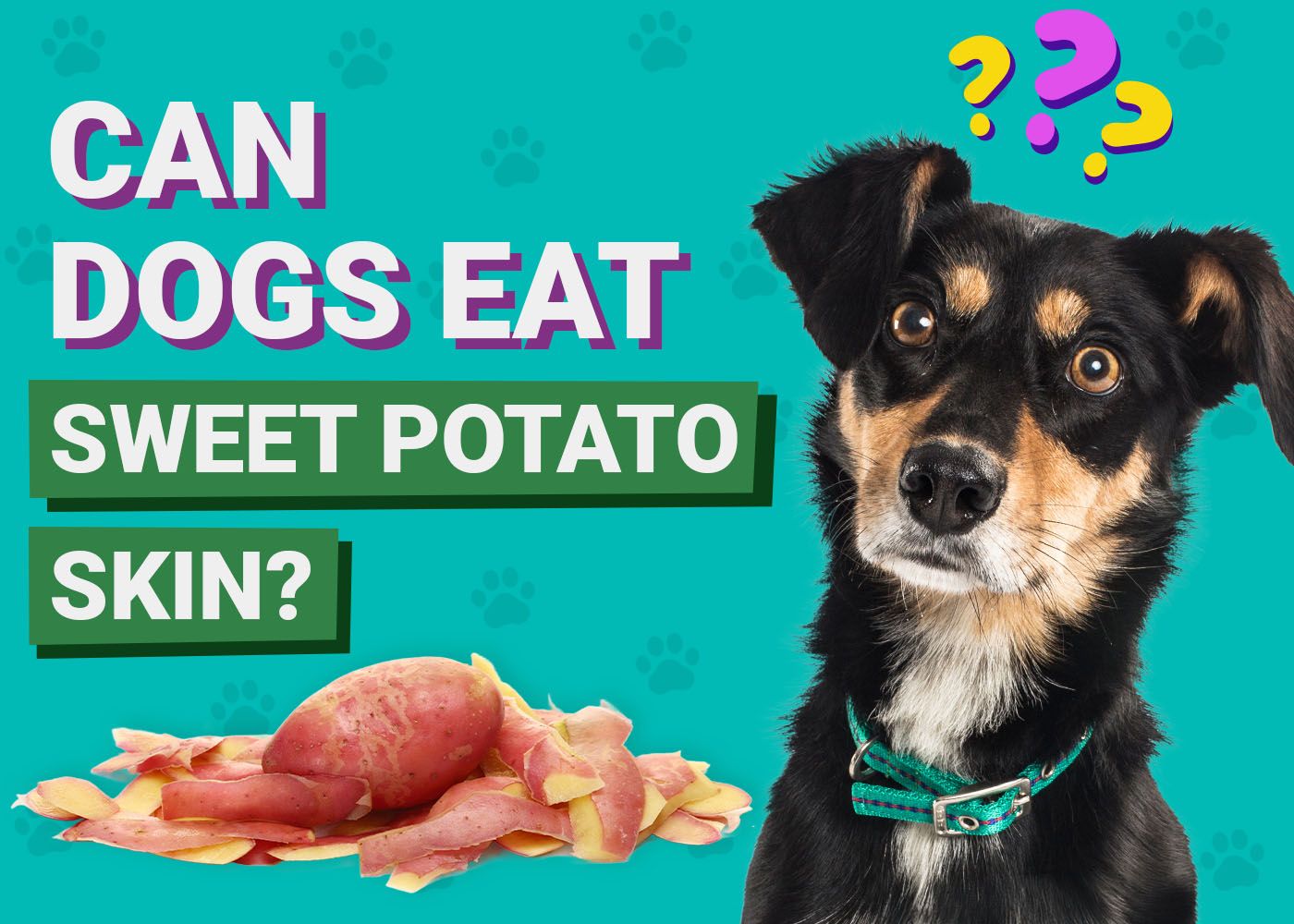
However, although the skin of the sweet potato is also nutritious, vets recommend avoiding giving it to your dog as it is so hard to digest. In this article, we'll discuss the risks around feeding your dog sweet potato skins, why they should be avoided, and how to safely serve a sweet potato to your dog to enjoy.

Why Shouldn't Dogs Eat Sweet Potato Skins?
Potato skins are edible and very nutritious—some of the nutrients are actually concentrated in the skin. The skin is packed with fiber and antioxidants such as beta-carotene. Sweet potato skins aren't toxic to dogs, but they can be dangerous to eat. Here are a few reasons why:

1. Intestinal Blockages
Sweet potato skins are hard to digest. Dogs may struggle to chew the skins because of their chewy texture. Eating the skins, especially in large chunks, can increase your dog's risk of choking and developing an intestinal blockage. Therefore, when serving sweet potato to your dog, always peel it and cook it first. An intestinal blockage (obstruction) prevents material passing through the gastrointestinal tract. Blockages can be partial or complete and vomiting is often the first sign a dog will show. Other common signs include:
- Loss of appetite
- Diarrhea
- Lethargy-low energy
- Painful tummy
- Dehydration
If your dog displays any of the above symptoms, it's important to take them to the veterinarian as soon as possible.
Your veterinarian will examine your dog and may perform blood tests, X-rays and a scan to diagnose the problem. Usually surgery is needed to remove the blockage.
2. The Skin Could Be Dirty
Another thing to consider is that sweet potatoes grow in the ground, which means that the skins will be covered in dirt, pesticides, and debris. You can remove the residue by washing and scrubbing the vegetable under water.
3. They Can Upset Your Dog's Stomach
Sweet potato skins are high in fiber, which can help with digestion. However, eating too much can have the opposite effect and cause gas and diarrhea, which can be uncomfortable and even painful.

Should Dogs Eat Sweet Potatoes?
Most dogs will benefit from eating sweet potatoes from time to time, however, it's always a good idea to consult with your vet before introducing a new food to your dog’s diet. Sweet potato may not be a suitable addition for all dogs, for example those that are overweight or on a special diet. How much sweet potato your dog should eat will depend on how big they are and how active they are. Your veterinarian can help you determine how much sweet potato to give your dog, but for a medium-sized dog, 2–3 teaspoons is usually a safe amount. Always start with a small amount first to make sure your dog tolerates it well. These healthy vegetables are good for your dog because they are:
- A good source of fiber: They can help with digestion and keeping your dog regular.
- Are a source of energy: They are a complex carbohydrate that provide your dog with energy. They also have a low glycemic index, which can make them a good vegetable option for diabetic dogs, but always check with your vet first.
- Contain vitamins, minerals, and antioxidants: Sweet potatoes contain vitamin A through beta-carotene, vitamin B6, vitamin C, potassium, iron, and manganese. They support good vision and immune function.

How to Serve Sweet Potatoes to Dogs
Sweet potatoes should be served to your dog cooked because raw sweet potatoes are difficult to chew and can cause your dog to choke in a similar way to sweet potato skins. This is especially true for dogs that like to "inhale" their food instead of chewing it properly. Raw sweet potatoes can also cause gastrointestinal upset. Sweet potatoes should be given to your dog in moderation. Eating too many sweet potatoes can cause your dog to gain weight and should never form part of their daily diet. You should also never add seasoning, butter, garlic, or sugar to your dog's sweet potatoes, as these aren't good for your dog and can contribute to weight gain and pancreatitis. Garlic and onions, in any amount, are toxic to dogs and shouldn't be consumed. You can give sweet potato to your dog cooked, boiled, dehydrated, or baked. Make sure that it is cut up into small, bite-sized chunks to avoid choking. You can occasionally incorporate sweet potatoes into your dog's diet by adding it to their kibble as a small treat or adding it to their Kong or food puzzle to keep them occupied.

Conclusion
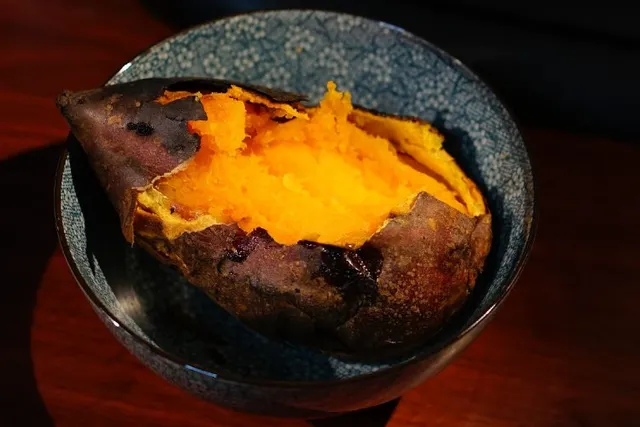
Dogs can safely eat cooked sweet potatoes, but they should have their skin removed before serving it to your dog. Sweet potato skins are hard to chew and digest and can cause your dog to choke or lead to an intestinal blockage. Although the skins are nutritious, your dog can get the extra nutrients from a cooked sweet potato without the risks. Sweet potatoes should be served cooked, boiled, baked, or dehydrated so they are softer to eat and digest. Cooking them lowers your dog's risk of choking, especially when chopped up into bite-sized chunks. Never add salt, sugar, or garlic to your dog's vegetables because they are not good for their health. See also:
Sources
https://www.petmd.com/dog/nutrition/can-dogs-eat-sweet-potatoes
https://www.healthline.com/nutrition/can-you-eat-sweet-potato-skin#ways-to-eat
https://www.akc.org/expert-advice/nutrition/can-dogs-eat-sweet-potatoes/
https://be.chewy.com/can-dogs-eat-sweet-potato-everything-you-need-to-know/
https://www.akc.org/expert-advice/health/bowel-obstruction-in-dogs/
Featured Image Credit: rigsbyphoto, Shutterstock
Expert dog care, straight to your inbox
News, insights, expert advice, and everything dog.

No spam — unsubscribe anytime.
By signing up, you agree to our Terms & Conditions and Privacy & Cookies Policy.
How useful was this post?
Click a star to rate. You can leave written feedback afterwards. (We read all feedback.)
Keri-Beth is a freelance writer from South African who specializes in animals. She has grown up with a range of pets, volunteered at many shelters, and is highly passionate about pet care. Currently, Keri-Beth is raising two dogs - Benji, the Golden Cocker Spaniel, and Gracie, the Boerboel. With so much information out there, Keri-Beth has made it her questo to make pet care as easy and straightforward as possible for any pet parent in the world.
In her spare time, Keri-Beth enjoys photography, camping, and spending time with her husband, who is a professional drummer.