Menadione in Dog Food: Vet-Reviewed Safety Facts



In this article
We all want to feed our dogs the best type of food we can. With such a plethora of choices on the market coupled with never-ending advice and opinions on which diet is best, what ingredients to avoid, and which to include, it can become rapidly mind-boggling. While it is true dogs have certain nutritional requirements their diet must meet on a daily basis, is menadione one of them?
Menadione is not a specific nutrient requirement. It is a synthetic form of vitamin K3 and is added to dog foods to meet a dog’s requirement for vitamin K, while it can also be produced during metabolism of vitamin K1 when consumed orally, based on studies conducted in rats. It is used in pet foods as it is more stable and tolerates heating better than other forms of vitamin K.
This substance and its use in dog food have been discussed a lot over the years, with some schools of thought reporting it is bad for your dog’s health, even toxic; however, others disagree.

What Is Menadione?
Menadione, also known as vitamin K3, is a synthetic form of vitamin K and is frequently added to dog diets to prevent vitamin K deficiencies. However, it is also produced in the body during metabolism of vitamin K active substances.1 The three main forms of vitamin K are:
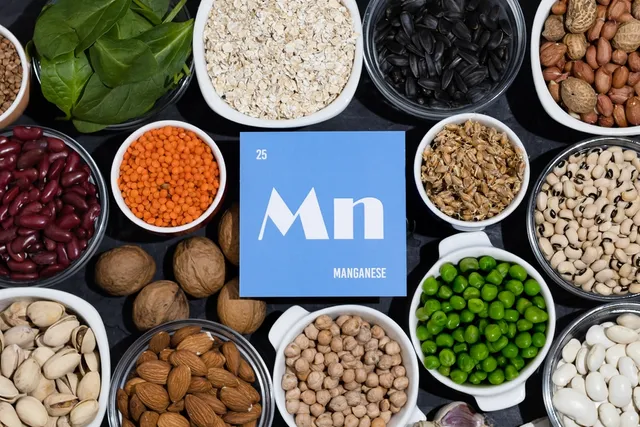
- Vitamin K1 – Also known as phytonadione or phylloquinone, it is a natural formulation found in plants and in green leafy vegetables.
- Vitamin K2 – Otherwise known as menaquinone, it is found in animal-based foods and some fermented products. It is naturally produced by bacteria in the intestinal tract of mammals.
- Vitamin K3 – Menadione is a synthetic version and can be converted to K2 in the intestines. You may also see menadione on ingredient lists referenced as menadione sodium bisulfate, menadione sodium bisulfite, or menadione dimethylpyrimidinol bisulfite. It is also produced by the metabolism of vitamin K1 in the intestines.2
Natural forms of vitamin K are fat-soluble and are ready to be used by the body. Vitamin K3 synthetic versions such as menadione, however, have to undergo a conversion process within the body before they can be utilized and used.

What Does Vitamin K Do?
Vitamin K is essential for normal blood coagulation (clotting). Without sufficient levels of vitamin K, your dog would continuously bleed if they were to get injured. Wounds, both severe and minor, may become fatal if your dog doesn't have proper clotting abilities. It is also involved in the control of calcium deposits in bones and tissues.
Why Is Menadione Used?
Menadione is added to dog foods to prevent deficiencies in vitamin K and subsequent health problems a deficiency can cause.
Other reasons menadione is added to dog food include:
- The shelf life of menadione is longer than that of natural vitamin K.
- Health conditions preventing the intestines from absorbing and making vitamin K as efficiently can cause low levels or deficiencies of vitamin K.
- Not all dog food contains sources of natural vitamin K from green leafy vegetables, as the manufacturer does not include them in their individual recipes.
- It is an inexpensive way to supplement vitamin K.

Does My Dog Need Vitamin K?
Yes, they do, but only a small amount is required in the diet. The body can generally manufacture most of its necessary provisions. The quantity they require daily is mostly synthesized by the bacteria in your dog's intestine, but for reference, an adult dog weighing 33 pounds needs to consume 0.41 milligrams of vitamin K per 1,000 k/cal per day.3
A deficiency in vitamin K is rare. If it does occur, the most common reason is due to ingestion of rat poison. Rat poison contains substances that deplete vitamin K stores in the body and subsequently prevent clotting. Other causes of vitamin K deficiency include liver issues and an inability to utilize vitamin K properly, intestinal malabsorption (inadequate absorption from the intestines), and a lack of vitamin K in their diet.
Signs of Vitamin K Deficiency
Is Menadione Safe?
While many food manufacturers and supporters of natural health and natural products claim concerns regarding the toxicity of menadione in dog food, confirmed cases of menadione toxicity are either non-existent or hard to find. Studies have shown it can be added in quantities up to 1,000 times the required dietary amount without having any adverse effects. Studies that show toxic effects are when the vitamin has been injected into animals at high doses.

Potential Side Effects of Menadione
There is some concern about higher levels of menadione causing oxidant stress. This is an imbalance of free radicals and antioxidants in the body which can lead to cell and tissue damage.
Certain critics, albeit using mainly human studies as their source for such claims, are also worried menadione can cause medical problems such as:
This supplement has been included in dog food in low amounts for decades without any substantiated cases of toxic effects, which would suggest any risk is low in these very small amounts. It is impossible to rule out the possibility of any adverse effects as they may not have been reported.
The Food and Drug Administration (FDA) has banned vitamin K3 supplements for human use, most likely due to the risk of people consuming too much of this substance. The FDA does permit the use of menadione in animal feeds, as the risk of exposure to toxic levels from food is almost non-existent.

Frequently Asked Questions
What Are Some Safe Foods for Dogs Containing Vitamin K?
Leafy green vegetables, green beans, green peas, liver, chicken, and egg yolks are all good examples.
Is Menadione Natural?
Vitamin K3 used in dog foods is a synthetic or artificially produced form of vitamin K, although it can also be produced during the metabolism of vitamin K active substances, based on studies conducted in rats.
Who Can I Ask for More Information About Menadione in Dog Food?
The best place to start is with a veterinarian or a veterinary nutritionist. They will have the latest information and guidelines and be able to answer more of your concerns as well as advise you on the right diet for your dog.
Conclusion
Vitamin K is a necessary nutrient for all animals, including your dog. However, the body needs very little vitamin K from the diet as it manufactures this itself, primarily from bacteria in the intestines, and absorbs it from there. Menadione is added to dog food in very low levels to avoid any deficiencies of vitamin K.
In these small amounts, there is no evidence of significant risk, and no case of toxic effects from menadione in commercial dog food has ever been substantiated. Toxic effects have been seen when extremely large amounts are given to an animal or if menadione is injected rather than supplemented in the diet.
It will come down to your discernment and choice whether you wish to feed a diet containing menadione or not. Further questions and information about menadione, vitamin K, and what diet is most suitable for your dog need to be directed to your veterinarian, who will be happy to help you.
See also:
Sources
Featured Image Credit: New Africa, Shutterstock
Expert dog care, straight to your inbox
News, insights, expert advice, and everything dog.

No spam — unsubscribe anytime.
By signing up, you agree to our Terms & Conditions and Privacy & Cookies Policy.
How useful was this post?
Click a star to rate. You can leave written feedback afterwards. (We read all feedback.)
Annaliese qualified as a veterinary nurse from Edinburgh in Scotland and went on to obtain a diploma in advanced veterinary nursing in surgery from London. Throughout this time, she worked in both small and mixed veterinary practices and gained head nurse status. Responsible for training other veterinary nurses she also ran the nursing department, nurse clinics and patient care protocols. She has looked after thousands of patients and owners and created new higher standard nursing regimes, whilst specializing in surgery and anesthesia. After being asked to co-author numerous veterinary nursing textbooks, Annaliese continued to write for further mainstream publications in the UK and USA and after twenty-plus years in both the veterinary and pet care professions , she hung up her scrub suit and now writes full-time.