Can Dog Food Cause Urinary Incontinence? Vet Approved Facts & FAQ


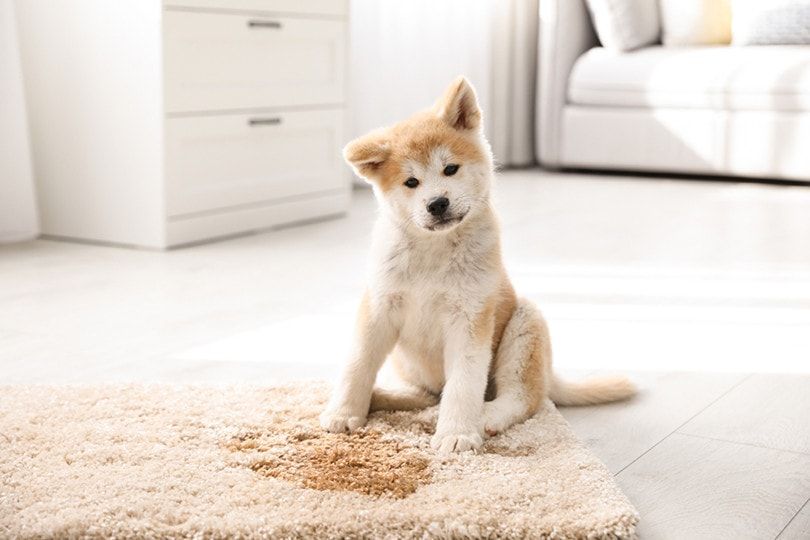
Witnessing a dog suffer from urinary incontinence is difficult for a pet owner. Knowing that your pet is dealing with an issue, that in some cases isn’t treatable, is heart-wrenching. While a trip to the vet is necessary when this issue pops up, it may take a bit of time to pinpoint the exact cause. Could it be the dog’s age? Is there an underlying health issue? Many pet parents question whether their pet’s dog food could be the cause of urinary incontinence.
While the answer to this question is normally no, there are instances where the type of food your dog eats can cause certain urinary issues that may lead to incontinence.
Let’s learn a bit more about urinary incontinence in dogs, what it is, the signs, and what—if any—role dog food may play in the issue.

What Is Urinary Incontinence?
Simply put, urinary incontinence is when your dog loses control of its bladder involuntarily. Keep in mind that this isn’t behavior-related and has nothing to do with your dog acting out or learning when and where to potty.
It’s also important to note that the amount of urine passed involuntarily doesn’t matter either. Whether your pet simply leaks a bit of urine or loses a large amount, if they have no control over going, it’s still considered incontinence.
The Signs of Urinary Incontinence
Unfortunately, you may not immediately notice that your dog is having issues. As we’ve already mentioned, urinary incontinence doesn’t always involve the full release of the bladder. If your pet is showing early signs, you may overlook them or just consider it a one-time accident.
Here are a few things you should watch for if you suspect your dog is suffering from urinary incontinence.
Dripping Urine
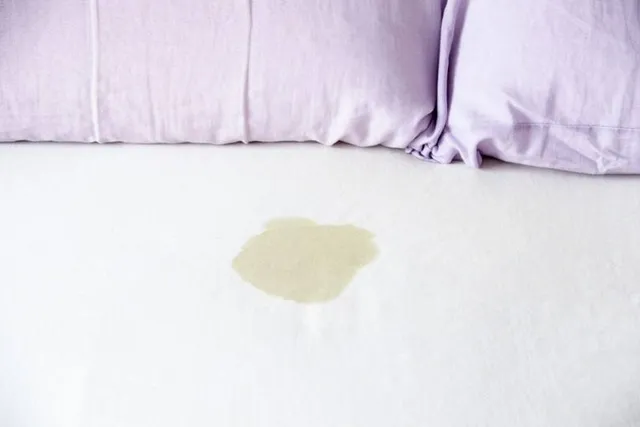
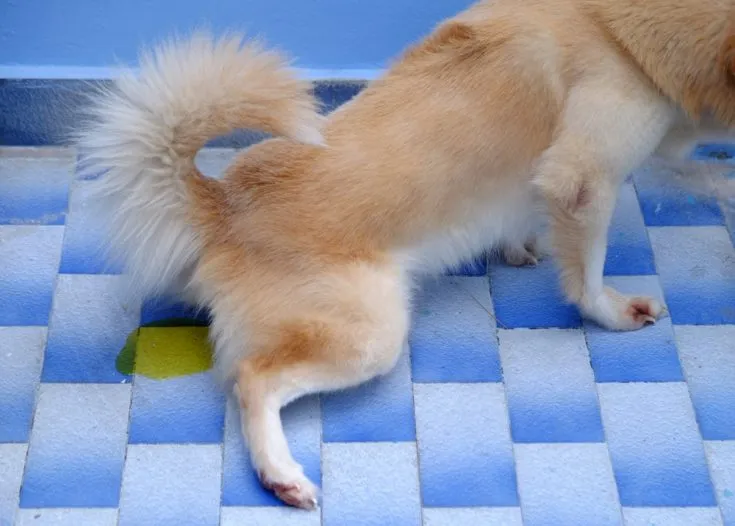
This is often the first sign that there is an issue. You may find wet spots on your dog’s bedding or other areas of the house. When you check, your pup may still be slightly wet from the incident. Another issue when a dog is dripping urine is irritation or redness of the skin. This often happens due to the wetness your dog is experiencing.
Frequent Licking
Another sign you should pay attention to is frequent licking of the dog’s private area. When suffering from any type of urinary issue it’s quite common for your pet to lick their vulva or penis more than they normally do. If you take note of a frequency in this behavior, you may want to go ahead and schedule a visit with the vet.
Consulting a veterinarian is recommended for the best course of action.
Causes of Urinary Incontinence in Dogs
Several things cause incontinence in your pup. For some owners, figuring out, with the help of your veterinarian, which one is the culprit may be easy. In most situations, tests are often required.
Here’s a look at the most common causes of urinary incontinence in dogs.

1. Age
One of the easiest reasons to pin down is age. Yes, just like humans, as a dog gets older they often deal with unwanted but often expected, issues. One of these issues is a loss of bladder function. Certain dog breeds deal with this possibility more than others. Other factors, such as weight, genetics, and even vaginal support changes in females can play a part in older dogs dealing with urinary issues.
2. Urinary Tract Illnesses
Urinary tract illnesses can be extremely dangerous for your pet. This is especially true if they are left untreated. Unfortunately, it isn’t unheard of for dogs suffering from these types of illnesses to lose control of their bladders. Urinary tract infections often cause dogs to feel as though they need to urinate more frequently. Bladder stones, another urinary tract illness, are formations of minerals in the bladder. These stones can become quite dangerous if not treated by a veterinarian.
3. Spinal Injuries or Degeneration
When there is a disease or damage to a dog’s spinal cord, inflammation can cause pressure on the nerves that are in control of bladder function. When this happens, your dog may suffer from urinary incontinence. This type of issue is quite common in German Shepherds and requires treatment from the veterinarian.
4. Prostate Issues
Male dogs may suffer from urinary incontinence if they are suffering from prostate illnesses or prostate cancer. When dealing with these issues, swelling of the prostate may occur and cause pressure on the urethra. Prostate issues differ in dogs and require a diagnosis to determine the proper treatments.

5. Inherited Medical Issues
We’ve all heard that certain dog breeds are inherent to medical issues and disorders. This doesn’t mean that every pup of that breed will deal with these issues, but it is possible. Some dog breeds are simply more susceptible to urinary incontinence and may be born with the issue or develop it over time.
6. Abnormalities
Dogs can be born with abnormalities that may cause them to suffer from urinary incontinence. Whether these issues are chromosomal, neurological, or physical determines whether surgical treatments or medications can help.
These are a few of the more common reasons a dog may suffer from urinary incontinence but they aren’t the only reasons. It is important to receive a proper medical diagnosis when your pup begins showing signs of medical issues.

Urinary Incontinence and Dog Food
Out of the above-mentioned causes of urinary incontinence in dogs, urinary tract illnesses can sometimes be associated with the types of dog food we feed our pets. This is especially true when dealing with bladder stones. Bladder stones are rock-like mineral formations in your dog’s bladder. If you’re feeding your dog certain foods with high mineral content, it can make the situation worse, or in some instances, possibly be the cause.
If your pet is suffering from urinary incontinence, bladder stones, or other types of urinary issues, speak to your veterinarian about the mineral content in their food. They may advise you to choose a food with cod liver oil, certain vitamins, or other ingredients that are known to help with better kidney function. Your veterinarian may also suggest that you limit the amount of magnesium and phosphorus in your dog’s diet if bladder stones, leading to urinary incontinence, are issues for your pet.

Summary
While dog food isn’t the underlying cause of urinary incontinence in dogs, in some cases it can be a contributing factor. This is why it is so important to know what is going on in your pet’s food bowl. If you’re ever in doubt about what is best for your dog or notice they are suffering from urinary incontinence or other urinary issues, contact your veterinarian. They can help you determine causes, seek proper treatment, and help get your dog feeling better soon as possible.
Featured Image Credit: New Africa, Shutterstock
Expert dog care, straight to your inbox
News, insights, expert advice, and everything dog.

No spam — unsubscribe anytime.
By signing up, you agree to our Terms & Conditions and Privacy & Cookies Policy.
How useful was this post?
Click a star to rate. You can leave written feedback afterwards. (We read all feedback.)
Melissa was born and raised in the mountains of East Tennessee where she spent her time writing in an old notebook and playing outside with her pets. As an avid animal lover, she has brought many into her home over the years. Currently, she is the mom of 5 fur babies. Her 2 cats, Princess and Pepper are total opposites who demand attention. Her dogs Jazzy, Whitey, and Demon are full of spunk and keep the entire family on their toes.
Beyond life as an animal mom, Melissa is a dedicated wife and mother to 2 children. Writing in her old notebook led her down the path of becoming not only a freelance writer but a published Indie author under the pen name, Rena Marin.