Why Is My Dog Leaking Urine Suddenly? Causes & Vet-Approved Treatments


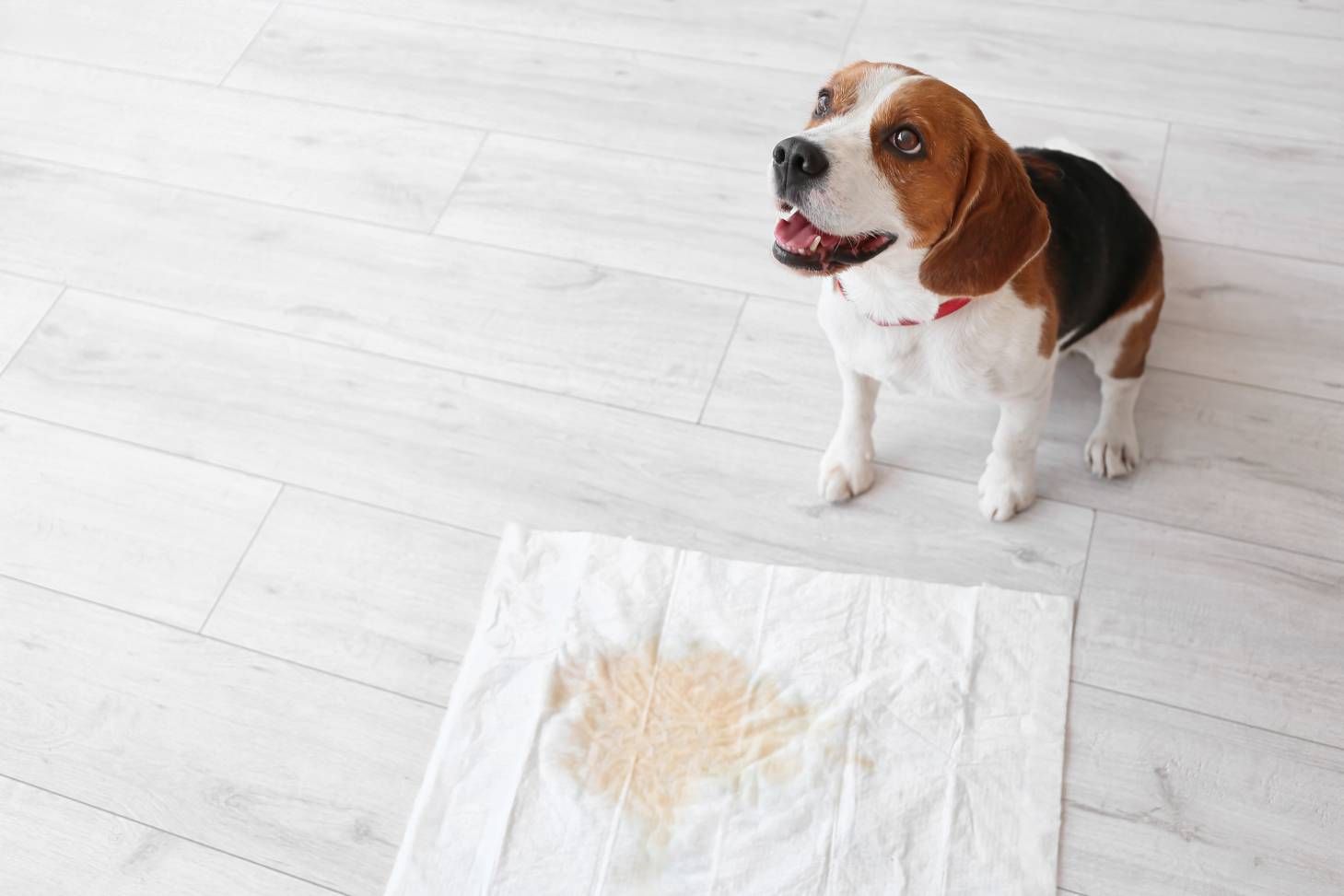
As a dog owner, you’ve learned to expect the unexpected. From emergency vet visits to coming home to find your couch destroyed—you’ve probably experienced at least a few doozies.
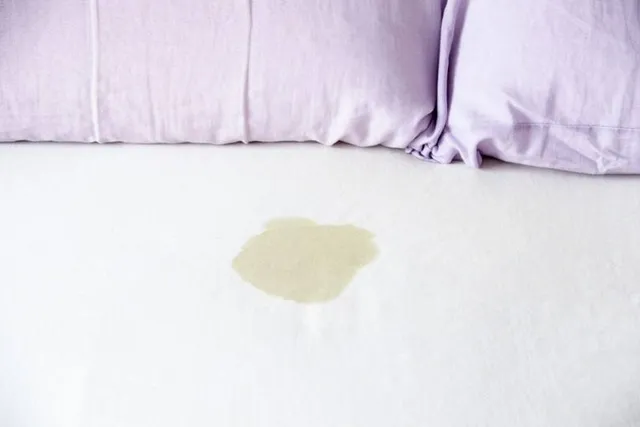
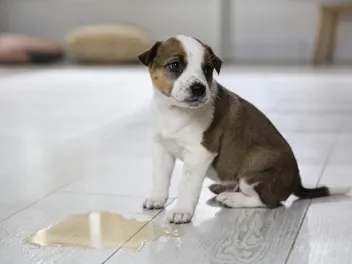
So, if you realize your dog is leaking urine, you'll want to find out why. After all, the puppy stage is hard enough during potty training with pee in unexpected places. How do you deal with this new issue when you find a wet patch or that your dog is peeing all the time? The truth is, it depends on the underlying problem that's causing it, including factors such as your dog's age and health. Find out more below.

Reasons Why a Dog Might Leak Urine
1. Submissive Urination
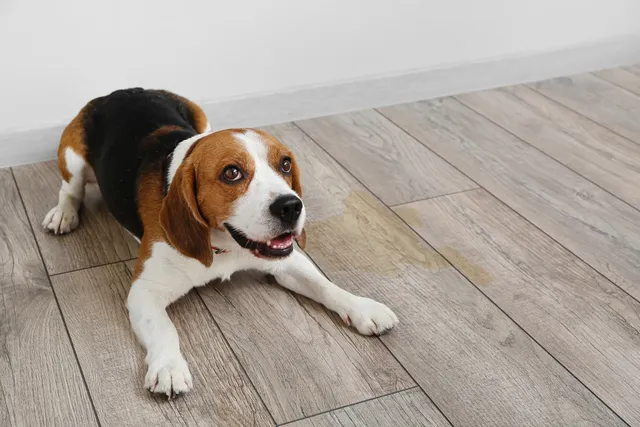
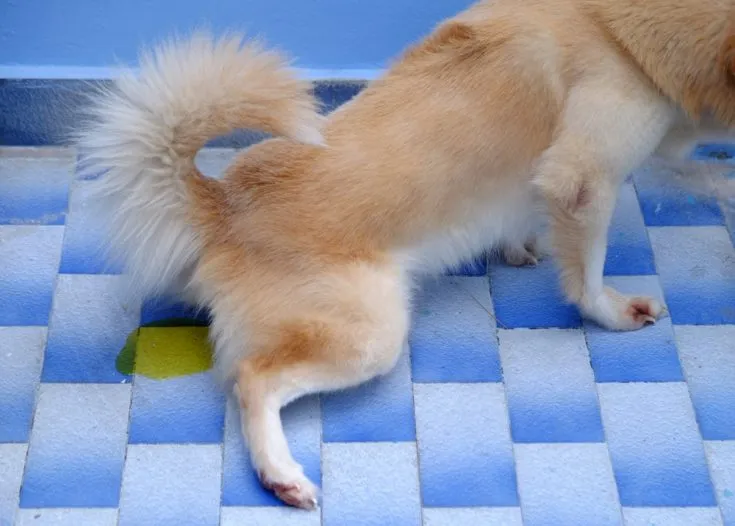
Submissive urination is a fearful, or anxious response to outside stimuli. Typically, this happens if the dog is approached, is scolded or hears a deep, loud voice. It is different from excitement urination which is common in puppies. The difference is in the body posture 2.
Signs of submission are flattening of the ears, head and neck down, avoiding eye contact and tucking the tail under. There are a few things that can cause submissive urination.

Dog Genetics
If a mother or father was highly submissive or nervous, it can easily trail to the pup, who will exhibit the same traits. Since the root of submissive urination is almost always related to fear this can sometimes be a character trait.
Previous Abuse or Neglect
Submissive urination is especially common in shelter dogs or those who have been previously abused. If your dog has recently been rescued this could be a reason why.
Even if a dog hasn't been physically abused, it might have a much more fragile spirit than some. Harsh reprimands could have caused anxiety somewhere along the way, causing an element of fear to exist in the relationship.
Dog Anxiety
Submissive urination can be a problem with fear or anxiety. If your dog is anxious, they might be far more prone to submissive urination whenever something happens around them that scares them. This could be loud sounds, a raised hand, or anything else they perceived as a potential threat.
Even if nothing has particularly happened to the dog to cause the behavior, some dogs are simply more sensitive to external noises and chaos than others.
Potential Solutions
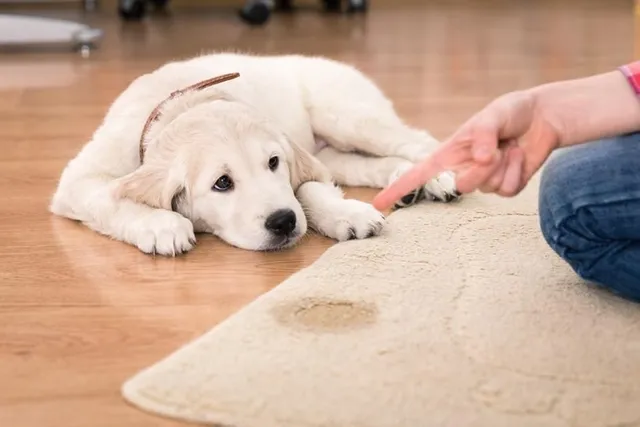
Punishing a dog for submissive urination is not a solution and can lead to worsening the behavior in most cases. If, after all health issues have been ruled out, you suspect that submissive urination is the problem, it is essential to handle it supportively.
Rather than dealing out harsh punishments when it happens, it is more important to make your dog feel comfortable in the given situation. At this time, they're going to need more reassurance than not.
It is an emotional issue which means if you can treat the emotional aspect of the problem, you can decrease the frequency or reverse the problem entirely.
Here are some tips for the Humane Society on how to properly handle submissive urination.
2. Dog Illness or Disease
If your dog is suddenly leaking urine, it could be a sign of an underlying medical issue. There are many possibilities, let’s go over the most common in brief detail, along with other accompanying signs.
Urination Tract Infection (UTI)

Diabetes in Dogs

Cushing’s Disease in Dogs

Dog Congenital Defects

Dog Injuries

Dog Kidney Failure
3. Dog Incontinence
As your dog's body ages, its system starts to weaken over time, decreasing functionality. The bladder is no exception to this. There are many causes of incontinence, which is a failure to voluntarily control urination. Your first port of call should be to the vet if you find that your dog is dribbling urine as they walk or leaving wet patches where they lie when asleep. Incontinence is most common in older dogs and large breed females that have been spayed.
Signs
- Often no other signs except leaking urine
Diagnosis
Your vet will take a thorough history by asking a series of questions and examine your pet. They will then need to run some tests on urine and blood to rule out any other illness.
Treatment
The mainstay of treatment for most dogs with incontinence is medication. Sometimes surgery may be appropriate.
Prognosis
The prognosis is good although life long medication to control the urinary accidents will be needed.
Another option that can help is to install a doggy door if your living situation allows. That way your senior could come in and out as they needed to without relying on you. This can help if they are struggling to hold on for any length of time.
We also recommend finding a good cleaning solution!
If you're looking for an all-in-one, pet-friendly, enzyme cleaner, we highly recommend the Hepper Advanced Bio-Enzyme Pet Stain & Odor Eliminator Spray.

- ADVANCED ENZYMATIC CLEANER - Penetrates the most stubborn smells and stains at the deepest molecular levels to dissolve any pet mess you encounter and lift it away at the source.
- FOR ANY MESS, ON ANY SURFACE - This pet odor eliminator cleans your carpets, floors, furniture, fabrics, and more. Whether it's urine, feces, vomit, or drool, you can erase all foul spots and smells!
- FRESH, NATURAL ODOR - Our unique formulation doesn't rely on dangerous or unpleasant chemical fragrances to get the job done. We eradicate smells and stains, not just cover them up.
It eliminates tough stains and odors easily and is excellent for accident prevention. Plus, it comes with a 100% satisfaction guarantee! Click here to order now.
At Dogster, we’ve admired Hepper for many years, and decided to take a controlling ownership interest so that we could benefit from the outstanding products of this cool pet company!

When to Visit the Vet

Regardless of the underlying reason, leaking urine is not normal. Anytime you are concerned with the well-being of your dog, or notice unusual signs, it’s time to get them into the vet. It is the quickest way to get answers and solutions for your pup's problem.
So, regardless of what it is, you can take proactive steps to help accommodate your dog. Together, you and your vet can develop a treatment plan to ensure your pup is completely taken care of.
Final Thoughts
So, now you can see that leaking urine and the need to frequently urinate can happen for various reasons. Sometimes, it can be very easy to pinpoint an underlying cause. Other times, it might require a more detailed diagnostic work up. In the majority of cases treatment will enable an improvement in the situation for both you and your dog.
Featured Image Credit: Pixel-Shot, Shutterstock
Expert dog care, straight to your inbox
News, insights, expert advice, and everything dog.

No spam — unsubscribe anytime.
By signing up, you agree to our Terms & Conditions and Privacy & Cookies Policy.
How useful was this post?
Click a star to rate. You can leave written feedback afterwards. (We read all feedback.)
Ashley Bates is a freelance dog writer and pet enthusiast who is currently studying the art of animal therapy. A mother to four human children— and 23 furry and feathery kids, too – Ashley volunteers at local shelters, advocates for animal well-being, and rescues every creature in need. Her mission is to create awareness, education, and entertainment about pets to prevent homelessness. Her specialties are dogs and cats.