Can a Puppy Eat Adult Dog Food? Vet Approved Facts & FAQ


In this article
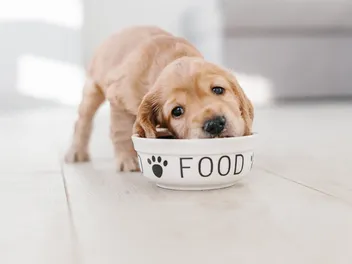
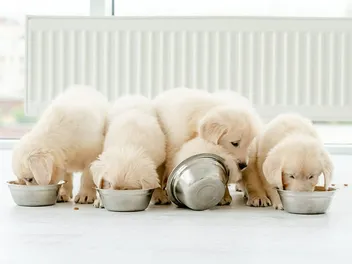
Bringing a new puppy home is an exciting experience. Plenty of responsibilities are involved, like ensuring your new pup gets the proper nutrition for a long, happy, and healthy life. But what exactly should you be feeding your puppy? Is it okay to give adult dog food to your new furry family member? The short answer to these questions is that your puppy should stick to puppy food. In this article, we'll discuss why.

Why Puppies Should Eat Puppy Food
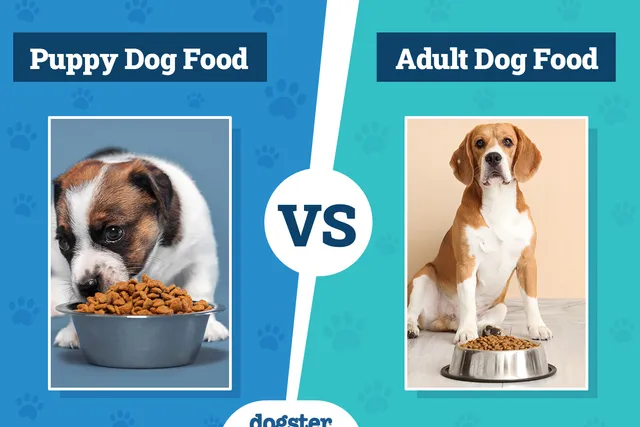
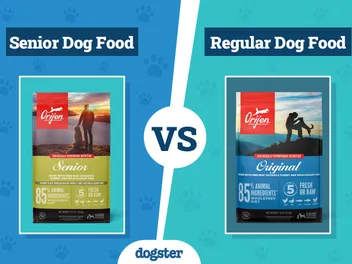
Simply put, the commercial foods that cater to puppies are designed to meet the nutritional needs of dogs during their fastest and most intense growing phase. The nutritional needs of puppies differ from those of adult dogs because their bodies must be supported during their growth. Adult dog foods don’t have the same nutritional profiles as puppy foods. Therefore, it’s best to stick with puppy food until your pup is considered an adult.
The Difference Between Puppy and Adult Dog Food
The protein content is the most significant difference between puppy and adult dog food. Puppies use more energy throughout the day and night than adult dogs, and it’s not just because they are so rambunctious. Young dogs expel more energy than older dogs to maintain their body heat as their bodies stay busy trying to support strong bones, ligaments, and organs during the bulk of their growth.
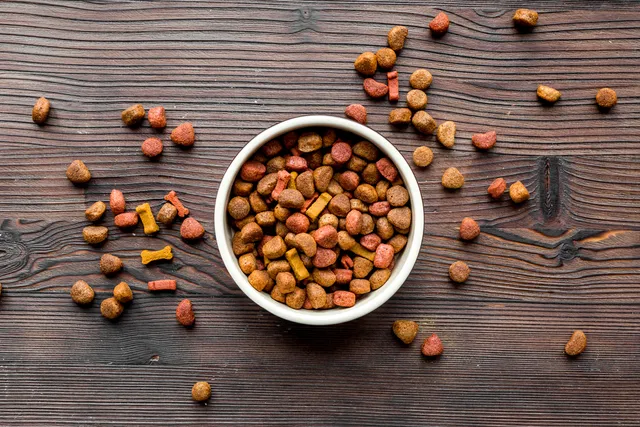
All the energy being used up requires plenty of protein and a little bit more fat, so puppy food tends to have a higher percentage of it than adult food. Another difference between puppy and adult dog food is the kibble size. Puppy food is smaller, so it’s easier for small mouths and teeth to chew. Adult dog food also typically contains lower levels of calcium and phosphorus, which puppies need to support their bone growth and development. However, there is a caveat here, large breed puppies need a very controlled level of these minerals to support their development without exacerbating it as excessive levels are known to cause problems like hip dysplasia and osteoarthritis in growing puppies that are getting too much of these minerals.


What About Dog Food That Is Designed for All Life Stages?
Dog food that is labeled as suitable for all life stages means it’s higher in nutrients than adult food but not so much so that it would cause problems in adult dogs, like weight gain. The nutrients are also enough to support proper growth in puppies. It is important to note that while it is generally safe for puppies to eat food suitable for all life stages, it can be too calorie-dense and rich for senior dogs that don’t move around much anymore.
When to Transition a Puppy to Adult Food
A puppy should not start eating adult dog food until they have stopped growing, which can be between 12 months and 2 years of age, depending on the size and breed of the dog. The best way to determine when to transition your pup to adult dog food is to consult a veterinarian and follow their recommendations.
When you start transitioning your puppy to adult dog food, do it slowly so that you do not upset their digestive system.
Start by replacing about a quarter of the puppy food with adult food during each meal. Once it is clear that your pup can tolerate that change, offer half puppy and half adult food at each meal. If that goes well, it should be safe to switch to adult dog food completely. This process should occur anytime you switch from one type of dog food to another, even if it’s just another brand.
Make sure you're feeding your dog the correct type of food for their lifestyle. To figure out approximately how much to feed your dog you can check out our handy dog food calculator here:
Dog Calorie Calculator
Recommended Daily Calories

The exact amount of calories an individual animal needs to maintain a healthy weight is variable and influenced by many factors including genetics, age, breed, and activity level. This tool is meant to be used only as a guideline for healthy individuals and does not substitute veterinary advice

A Final Recap
Your puppy should be eating puppy food until they stop growing, which can be anywhere from 1 to 2 years old. A veterinarian should be able to tell you when it’s time to start the transition. Food meant for all stages of life should be suitable, but remember that it isn’t formulated solely with puppies in mind.
Related Reads:
Featured Image Credit: litthouse, Pixabay
Expert dog care, straight to your inbox
News, insights, expert advice, and everything dog.

No spam — unsubscribe anytime.
By signing up, you agree to our Terms & Conditions and Privacy & Cookies Policy.
How useful was this post?
Click a star to rate. You can leave written feedback afterwards. (We read all feedback.)
Rachael has been a freelance writer since 2000. In this time she has had an opportunity to research and write about many different topics while working to master the art of fusing high-quality content with effective content marketing strategies. She is an artist at heart and loves to read, paint, and make jewelry. As a vegan, Rachael is obsessed with helping animals in need, both in her community and anywhere in the world where she feels she can make a difference. Animals also happen to be her favorite topic to write about! She lives off the grid in Hawaii with her husband, her garden, and her rescue animals including 5 dogs, a cat, a goat, and flock of chickens.