Are Pig Ears Good for Dogs? Vet-Verified Facts & Guide


In this article
Pig ears have been popular dog treats for quite a while, but it’s always a good idea to investigate whether any treat is suitable for your dog.
When it comes to pig ears, the answer is "sort of." Pig ears can be a natural, occasional treat for most dogs. However, there are also safety concerns to be aware of, including the risk from harmful bacteria that pig ears may be contaminated with.
It’s crucial to be mindful of the risks and weigh the pros and cons before deciding whether to give a pig ear to your dog as a treat.

How Are Pig Ears Made?
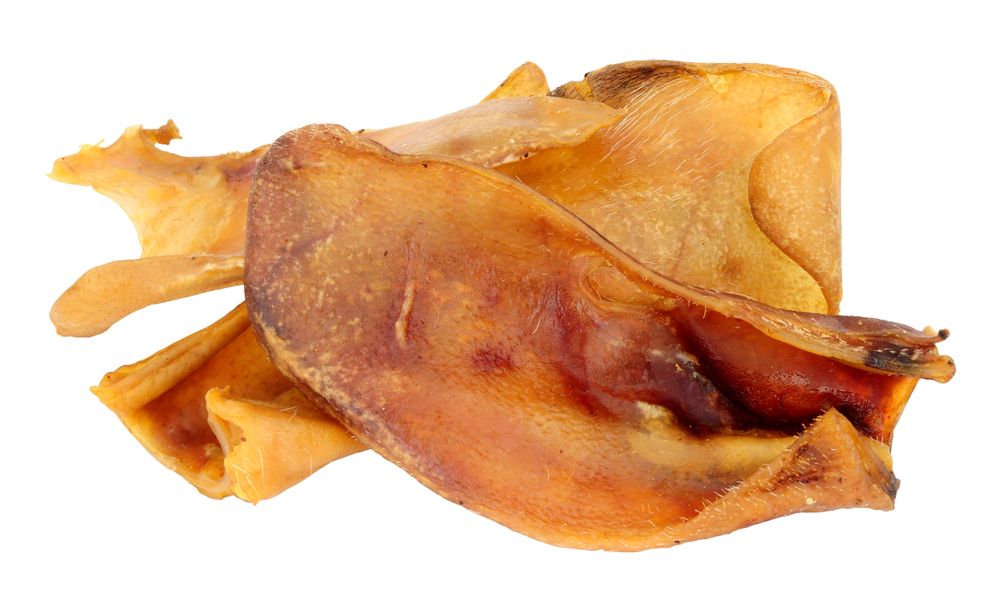
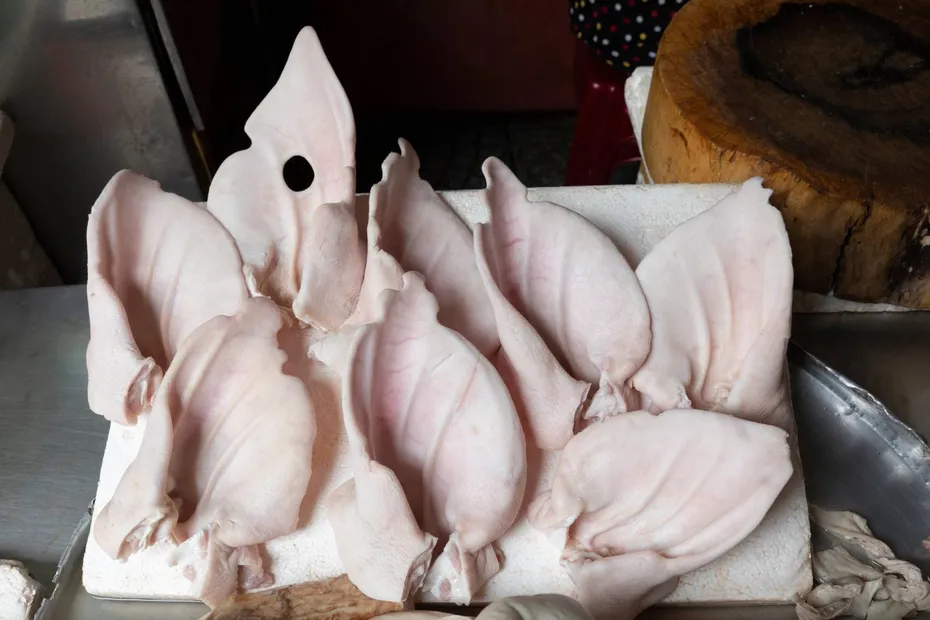
The pig ears commonly found in pet stores are made from the visible part of the pig's ear, known as the pinna. It is composed primarily of cartilage and fat but little muscle, so it is considered more of a chew. They are typically processed by being blanched in boiling water, followed by an ice bath, which helps eliminate any hair.
However, the method of processing varies depending on the manufacturer. Some may bake, smoke, or boil them, while others may add preservatives and other additives to prevent bacterial growth.
Others choose to irradiate the ears, which exposes them to ionizing radiation to remove bacteria and extend shelf life. It's generally advisable to look for pig ears prepared naturally without any artificial additives or preservatives.
Benefits of Feeding Pig Ears to Dogs
- Soft chew for seniors: These chews are primarily made of cartilage, which makes them softer and easier to chew for senior dogs and dogs with dental issues.
- Good for the joints: Pig ears contain chondroitin and glucosamine, which are naturally occurring substances that may improve joint health.
- High in protein: They are a good source of protein, as they contain about 60–70% protein.
- Dental health: Regular chewing can help reduce plaque and tartar buildup.
- Keeps them busy: This can also apply to nearly any chew, but chewing on pig ears can help keep your dog occupied and mentally stimulated for long periods.
Dangers of Feeding Pig Ears to Dogs
- Risk of Salmonella: In 2019, 154 cases of Salmonella infection in humans in the U.S. were traced back to pig ear dog treats.
- Not for overweight dogs: Pig ears are high in calories and fat, so they are not recommended for overweight dogs.
- Choking hazard: Although this applies to most chews, monitoring your dog while they’re chewing a pig ear is particularly important due to the risk of choking, especially for small dogs or dogs that tend to swallow large pieces.
- Stomach upset: Some dogs may experience digestive upset after eating pig ears, which can include vomiting and diarrhea.
- Food allergies: Pork is a common food trigger for dogs with food allergies. Please be aware of any food allergies that your dog may have before giving them pig ear treats.

Keeping Your Dog and Your Family Safe
If you'd like to treat your dog with pig ears occasionally, you can do so, but keep in mind the following tips for safety:
- Always wash your hands with soap and water before and after handling the pig ears.
- Clean any parts of the house that came into contact with pig ears, such as the floor.
- Don’t allow your children to handle pig ears.
- Don’t allow your dog to lick you or anyone in your family during or after eating pig ears.
- Give your dog no more than one pig ear per week.
- Always supervise your dog while they are chewing on a pig ear.
- Wait until your puppy is 6 months of age or older before giving this treat.
You won’t be able to tell if a pig ear is contaminated with Salmonella or not, so if you choose to give one to your dog as a treat, you must sanitize and clean everything that it comes into contact with.

Conclusion
Pig ears are generally thought to be safe for most dogs to chew, but it’s crucial to handle them safely because of the risk of Salmonella. Supervising your pup while they are busy chewing them is also necessary to avoid choking or obstruction hazards.
While pig ears do offer a few benefits, they are not suitable for all dogs because they're high in fat and calories. If you’re unsure if you should give a pig ear to your dog, there are other chews out there that are safer, and consulting with your vet can assist you in determining if this is the right treat for your pup.
See also:
Sources
Featured Image Credit: Philip Kinsey, Shutterstock
Expert dog care, straight to your inbox
News, insights, expert advice, and everything dog.

No spam — unsubscribe anytime.
By signing up, you agree to our Terms & Conditions and Privacy & Cookies Policy.
How useful was this post?
Click a star to rate. You can leave written feedback afterwards. (We read all feedback.)
Kathryn was a librarian in a previous lifetime and is currently a writer about all things pets. When she was a kid, she hoped to work in a zoo or with wildlife in some way, thanks to her love for animals. Unfortunately, she's not strong in the sciences, so she fills her days with researching and writing about all kinds of animals and spends time playing with her adorable but terribly naughty tabby cat, Bella. Kathryn is hoping to add to her family in the near future – maybe another cat or two and a dog.