Can Dogs Eat Cow Hooves? Vet-Approved Facts, Risks & Alternatives



In this article
Dogs can eat various snacks, some of which you might never have thought of up until you saw them advertised. So, where do cow hooves fit in a world of edible oddities? It seems strange, but realistically, it is part of an animal—and your pup loves that!
The truth is cow hooves have next to no nutritional value. They also pose pretty big choking hazards to our canine friends. However, cow hooves are, indeed, non-toxic to dogs. Although some pet parents choose to give them these occasional snacks, there are risks to keep in mind.

What Are Cow Hooves?
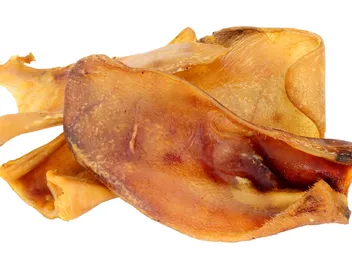
Cow hooves are, you guessed it, hooves of cows. The pet food industry takes these hooves, removing bone and other surrounding tissue, to create a chewable snack. While it can be a standalone deal, there are also cow hooves with meaty paste for appetite enhancement.
Ultimately, companies don't market cow hooves as a nutritionally friendly snack per se. They are mainly designed to act as a hardy, thick, hard-to-break chewable distraction that aims to be more natural than some artificial options.

Nutritional Information for Cow Hooves
Nutrients in Cow Hooves
Realistically, cow hooves are deficient in nutrients, as they are composed of keratin, the same stuff that your fingernails are made of. There's nothing significant enough in them to make them worthwhile. While it does have a small amount of protein, it's not significant enough to benefit your dog.
The 4 Dangers of Cow Hooves for Dogs
Of course, dogs don't constantly chew on things that are completely healthy for them. Some dogs absolutely love the texture of these hooves, and we understand why the option might be alluring.
If you have a very heavy chewer on your hands, you know how frustrating it is to buy toy after toy only to have it ripped apart within minutes. A cow hoof can provide a longer chewing experience, and it's tougher to break apart.
However, if you choose to give your dog cow hooves, knowing the dangers is essential. Giving a cow hoof to your dog can be an enjoyable experience for them, permitting you are directly supervising them.
1. Internal Perforation
Like bone and other parts of animals, hooves can occasionally splinter, creating dangerous sharp pieces that your dog can ingest. Although hopefully unlikely, it could penetrate the sensitive digestive organs inside your dog's body, causing an esophageal, intestinal, or gastric perforation. More commonly, you may see some blood on the roof or your dog's mouth if they have cut their gum chewing the hoof.
Internal perforation causes signs like:
Internal perforation is a medical emergency. It will require immediate veterinary intervention, including a series of imaging tests to get a better understanding of what part of the body is affected and treatment necessary.
If you see that the cow hoof is breaking apart, remove it from your dog safely by swapping them for something else to eat.
2. Dental Damage
As you can imagine, cow hooves are quite hard. While the texture might not be a problem for some lighter chewers, it can cause issues with dental health if your dog is a heavy chewer. If your dog is gnawing away without any thought, they can easily break their teeth.
As you can imagine, it can be extremely painful when a tooth breaks. Any breakage in the tooth requires veterinary attention, as it can lead to infection, worsening pain, and a laundry list of other uncomfortable outcomes.
These treats could be especially problematic for older pets or those with existing dental issues. If there's any decay, fractures, or otherwise, it can quickly worsen these issues and rack up some pretty costly bills in the meantime.
As a general rule of thumb, if you cannot make a mark in the item with your finger nail, then it is too hard for your dog to chew. Look at the Veterinary Oral Health Council (VOHC) list of approved dental chews and products.

3. Choking Hazard
To bank off of what we just talked about, because cow hooves are such hard chunks, they can pose a severe choking hazard. The dangerous part about this particular outcome is that it requires help fast.
If you are not home or not paying attention, your dog could potentially pass away from a lack of oxygen. Sometimes, an object lodged in the throat can completely cut off oxygen intake; other times, it is partial. Either way, it is an emergency and must be treated accordingly. If your dog is ever choking, medical intervention is necessary.
Even if you're able to get the object out at home, you'll want to follow up with your vet to make sure there isn't a residual problem.
To reduce the risk of choking, choose an appropriately sized hoof for your dog, monitor them while chewing it, and choose a hoof that has the toe part cut off (or do this yourself) so that there is airflow possible. A downside to removing the toe portion is that some dogs can get the hoof looped around their lower jaw.
4. Intestinal Blockages
If your dog swallows a piece of cow hoof, it could possibly lead to an intestinal blockage that can be very dangerous and expensive to treat. Cow hooves are not easily digested. These blockages can occur anywhere in the gastrointestinal tract.
Like organ perforation, intestinal blockages almost always require surgery or extensive intervention. Your vet will likely perform multiple tests, including imaging.
Some signs of intestinal blockages include:
There are both surgical and non-surgical treatments available for intestinal blockages. Several factors influence what intervention the vet performs. Once they have the correct imaging, they can gauge how long the blockage has been there, the size and shape of the object, and the proper course of action.
Certain foreign objects can pass through the gastrointestinal tract eventually without intervention. If it is life-threatening, however, your veterinarian will need to perform emergency surgery.

Better Alternatives to Cow Hooves for Dogs
We must be honest–there are better alternatives for your dog to munch on than crunching on cow hooves. So, you don't have to scour the Internet to find options; we made a quick list for you.
Remember that not all options on the market are suitable for aggressive chewers. If you have a dog that seemingly wants to chew everything up, you'll need to do your research to ensure it will hold up but be safe for their teeth. Surprisingly, the enamel on dog teeth is much thinner than that of humans, so they break more easily.
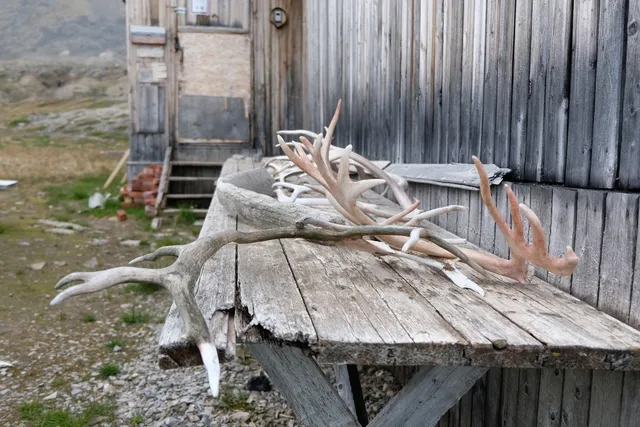
Getting synthetic options for heavy chewers is often a much better idea than getting animal products such as bones, tendons, or antlers. You have much less risk of splintering or accidental ingestion.
Let’s explore the different options available on the market.

Dental Chews
There are plenty of dental chews on the market for dogs. It's one of the most common options you might see. Not all dental chews are built alike. Some work very well for aggressive chewers, while others will be gobbled up in minutes.
The chews that follow have all been awarded the VOHC seal for effective tartar removal.
Final Thoughts
Cow hooves are readily available for your dog. You can find them at virtually any pet shop or online. However, just because something is advertised for dogs doesn't necessarily mean it's good for them.
Even though some dogs might love the texture of these hooves, it's not really worth the risk it poses to their health if they accidentally ingest a piece or get it lodged in the intestinal tract. Therefore, we recommend finding safer alternatives that are just as fun to chew on.
See Also:
Featured Image Credit: EkoiswantoLens, Shutterstock
Expert dog care, straight to your inbox
News, insights, expert advice, and everything dog.

No spam — unsubscribe anytime.
By signing up, you agree to our Terms & Conditions and Privacy & Cookies Policy.
How useful was this post?
Click a star to rate. You can leave written feedback afterwards. (We read all feedback.)
Ashley Bates is a freelance dog writer and pet enthusiast who is currently studying the art of animal therapy. A mother to four human children— and 23 furry and feathery kids, too – Ashley volunteers at local shelters, advocates for animal well-being, and rescues every creature in need. Her mission is to create awareness, education, and entertainment about pets to prevent homelessness. Her specialties are dogs and cats.