Why You Should Never Pat a Dog on the Head: Reasons & Understanding Canine Behaviors


It's a classic first response to see a dog and immediately want to pet them. The pups seem to evoke reactions in us that make our cuteness meter go off the charts.
However, how we interact with our canine companions differs from how they interact with one another. Sometimes, our boisterous physical touch and other mannerisms can startle or confuse dogs. In this article, we'll explain why you shouldn't pat an unfamiliar dog on the head.

Patting a Dog on the Head
You may have heard you shouldn't pet a strange dog, but have you ever wondered why? If you have a doggy that soaks up every bit of physical affection they can get, you might think this is an outright lie. After all, most dogs love being petted.
However, not every canine will react in the same way. We'll explain why there might be better ways to interact with dogs.

A Head Pat Is Threatening, Studies Find
Sometimes, our dogs show affection by bringing us their favorite toy or licking our faces. Then, they may appear confused if we reject their gift or attempt at interaction. Similarly, we do things that may seem like loving behavior, but our dogs don’t perceive it that way.
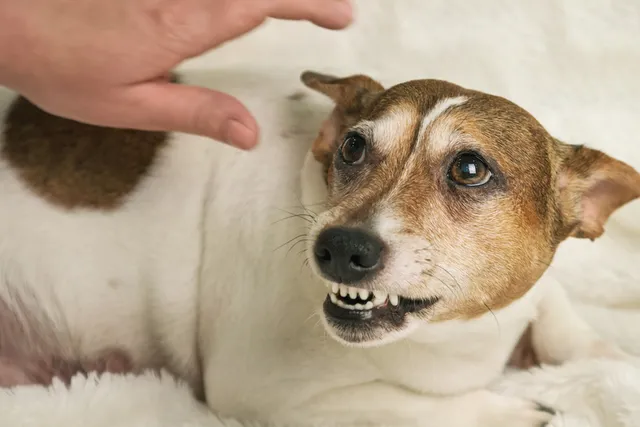
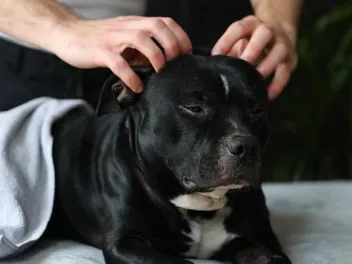
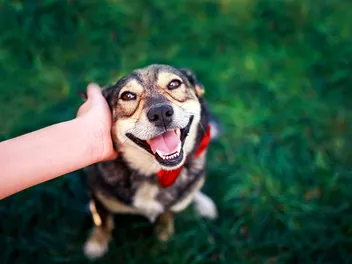
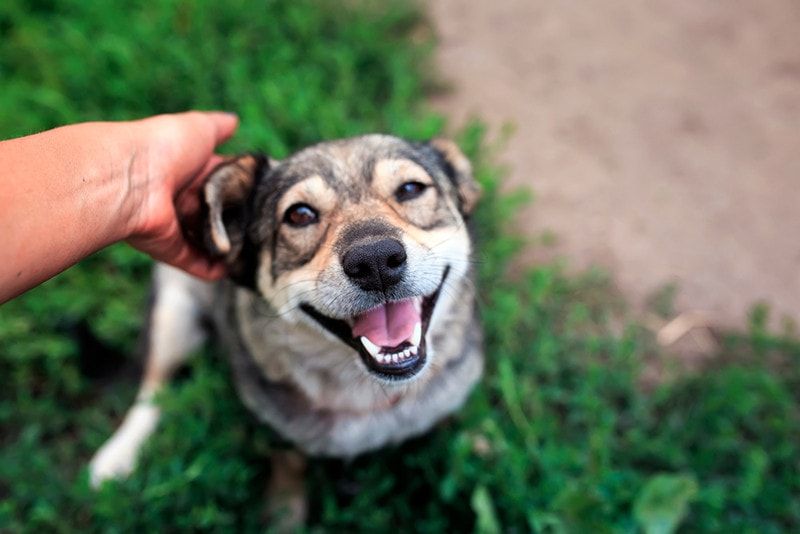
Behavior research suggests that some dogs may find direct hand movements over the head uncomfortable or threatening, especially when the person is unfamiliar. According to animal expert Sarah Barlett, reaching directly over a dog's head (especially an unfamiliar dog) can be intimidating and threatening.
How to Approach a Dog Appropriately
So, you shouldn’t pat a dog on the head—now what? Instead, Sarah recommends this method.
Where Should You Pet a Dog Instead?
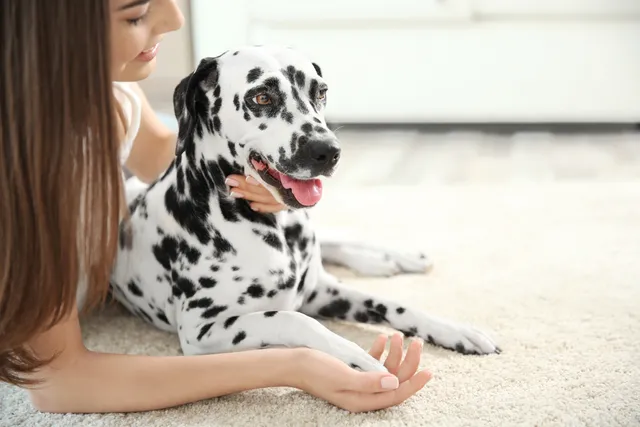
Instead of approaching a dog and patting their head, focus on the back area, shoulders, and sides. It also helps to get down to the dog's level or slightly turn your body sideways as they approach you instead of towering over them.
Importance of Understanding Canine-Human Behaviors
Since we communicate differently, bridging the gap between us can be challenging. We rely on interpreting the body language of our canine companions to ensure we give them proper love and care.
Doing something that makes our pups uncomfortable can cause stress, avoidance, or defensive behavior. Interactions can go much more smoothly if you just get on a dog's level. After establishing familiarity, learning to read body language makes things a lot easier.

Does Every Dog Hate Head Pats?
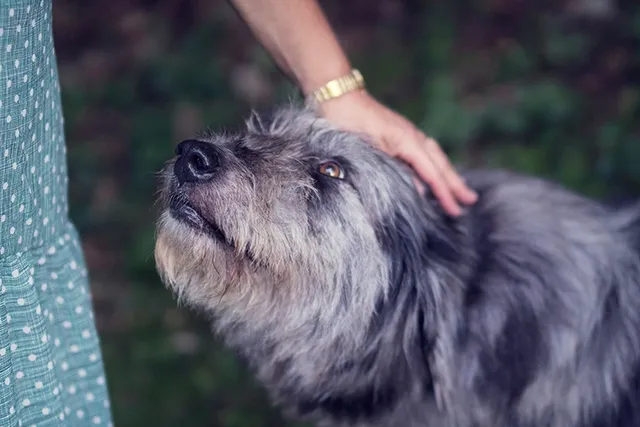
As with anything else, every dog is an individual. One dog might find head pats upsetting, while another may tolerate or even seek them out. Observing the dog’s body language and comfort level can help a lot. If you have a dog, you can probably tell if they enjoy head pats.
However, when meeting new canines or interacting with other dogs, keeping your hands off their heads is best. Instead, allow the dog to approach and investigate you if they choose, such as by sniffing. Then, aim for the side or down the back rather than going right to the top of the head.
Conclusion
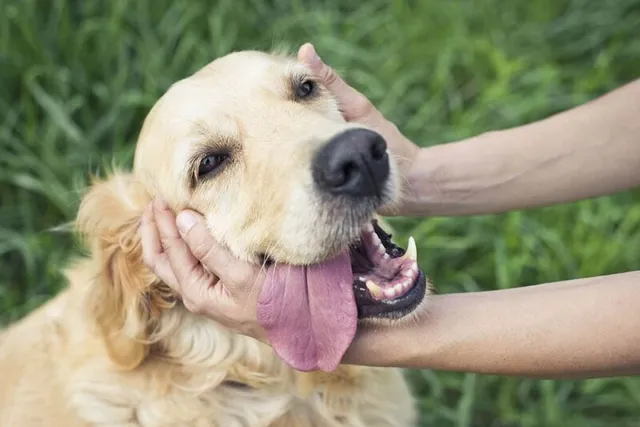
When you first meet a canine, you want the interaction to go well. Most friendly dogs will want to inspect you, and you can get on their level and let them sniff around. If they seem like they want physical affection, remember to avoid the mouth, snout, and head, focusing more on the back and sides of the body.
After you establish familiarity and positive interactions with a dog, they might enjoy massages on the head, but this can vary from dog to dog. Anytime you approach a new canine, it's best to use caution until they show you how they prefer to interact with you.
Sources
Featured Image Credit: Bachkova Natalia, Shutterstock
Expert dog care, straight to your inbox
News, insights, expert advice, and everything dog.

No spam — unsubscribe anytime.
By signing up, you agree to our Terms & Conditions and Privacy & Cookies Policy.
How useful was this post?
Click a star to rate. You can leave written feedback afterwards. (We read all feedback.)
Ashley Bates is a freelance dog writer and pet enthusiast who is currently studying the art of animal therapy. A mother to four human children— and 23 furry and feathery kids, too – Ashley volunteers at local shelters, advocates for animal well-being, and rescues every creature in need. Her mission is to create awareness, education, and entertainment about pets to prevent homelessness. Her specialties are dogs and cats.