Why You Can’t Pet Service Dogs: 3 Surprising Reasons


In this article
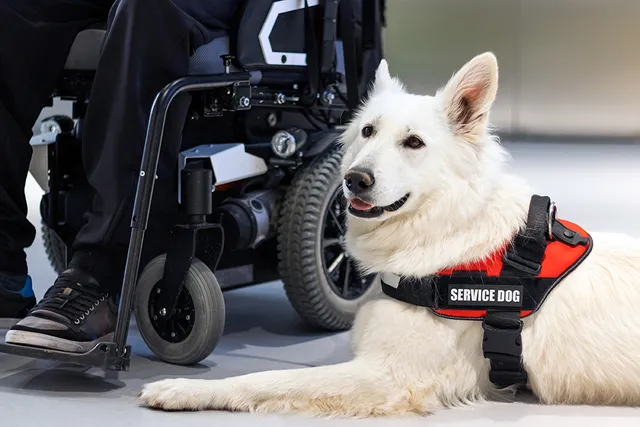
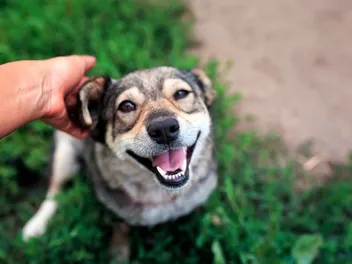
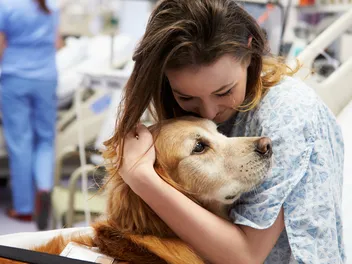
As a community of animal lovers, we all know how difficult it can be to resist the urge to cuddle a service dog. Dogs are lovable enough, but there is something extra cute about an official vest and a dog performing a service.
There are some fundamental reasons behind the well-known rule not to pet service dogs as hard as it may be. Don’t worry, it’s not uncommon to not know all the reasons behind this rule, so this article will take you through the essential reasons to ensure you show respect and act appropriately around service dogs.

The 3 Reasons Why You Can’t Pet Service Dogs
We can clearly see the various uses and importance of service dogs to enable and support many to live full and active lives, so why can’t we appreciate them by petting them?
1. It’s Distracting
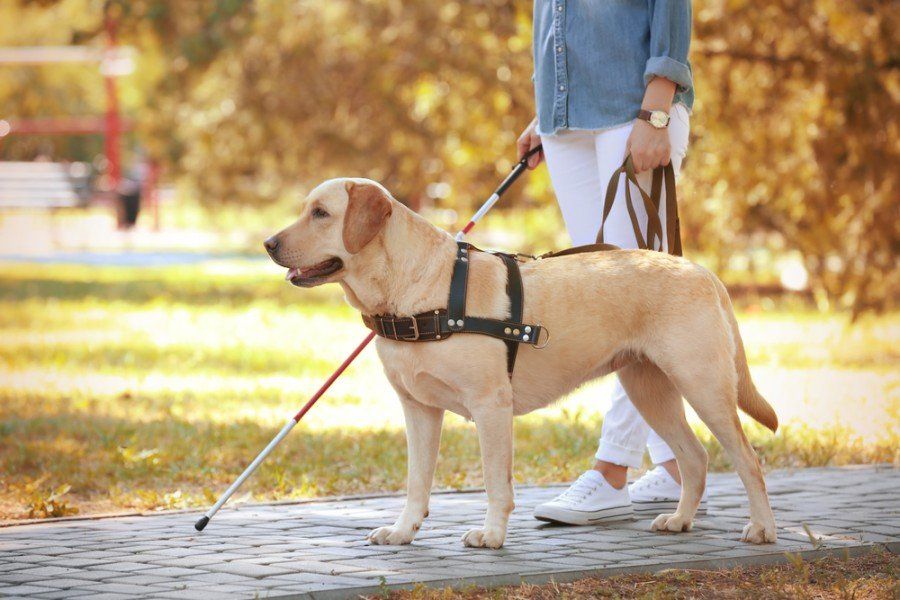
First and foremost, petting a service dog can be distracting to a dog that is actively working with their handler. Service dogs are trained to perform specific tasks that can assist with safety, mobility, or medical conditions, and distractions can interfere with their ability to perform those trained tasks.
Even the most well-trained dog can succumb to being distracted easily by the actions or attention of someone around them. Interacting with a service dog may take their mind off their tasks. Even momentarily lapses in concentration can have serious consequences for the handler.
2.It Interrupts Their Work
Service dogs are trained to stay closely connected to their handler while they work. Many tasks rely on the dog carefully observing their handler’s movements, body language, and cues from the surrounding environment.
When someone approaches and pets a service dog, it can interrupt this working connection. Even a short interaction may delay the dog’s response to a cue or prevent them from noticing something important.
Service dogs are specifically trained to ignore distractions and prioritize their handler. Interacting with them while they are working can interfere with that training and make it harder for them to perform their role effectively.

3. It’s Disrespectful (and Illegal!)
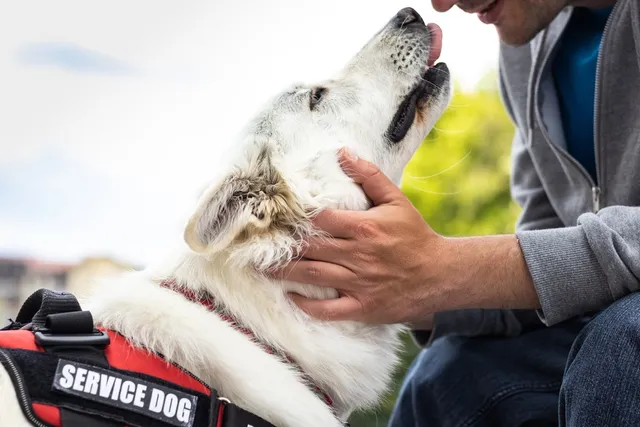
As a rule, petting another person’s dog without permission is disrespectful and dangerous. Unsolicited touching of a dog can cause them to become stressed, anxious, or distract them from training or tasks.
You should ask their owners before petting an ordinary pet, but there is little point in asking to touch a service dog. Service dogs will be wearing a vest or patch that indicates they are a service dog and not to be touched. Not respecting this boundary is disrespectful and may endanger the handler.
In some states, such as Arizona, laws make it illegal to intentionally interfere with a service animal, and the consequences can include criminal charges such as misdemeanors or, in certain circumstances, more serious offenses.
Types of Service Dogs
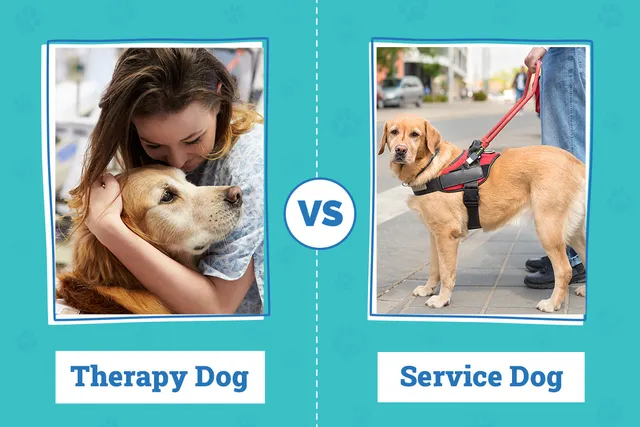
A service dog is defined as any animal trained to work and perform tasks to assist individuals with disabilities. Because they help people with disabilities, service dogs are legally allowed to accompany their handlers in most public places.
Service dogs perform important assistive tasks for many disabilities. Some of the most common types of service dogs include:

Service Dog Etiquette
None of us has intentions to disrupt a service dog while they are working or disrespect a service dog’s handler. Beyond the no petting rule, there are many other guidelines for behaving around a service dog that you may be unaware of.
Getting a good idea of proper service dog etiquette will mean you will be respectful and helpful to service dog handlers who are constantly dealing with inappropriate behavior around their dogs.
Familiarize yourself with these service dog etiquette tips with this what-not-to-do list:
Instead, practice these behaviors:
Final Thoughts
These rules will ensure you show the deserved respect to both a service dog performing important trained tasks and the handler who relies on the dog’s assistance. There are plenty of unemployed dogs who want nothing but petting. Direct your loving energy toward them and perhaps visit local shelters to offer companionship to dogs awaiting families.
Featured Image Credit: Africa Studio, Shutterstock
Expert dog care, straight to your inbox
News, insights, expert advice, and everything dog.

No spam — unsubscribe anytime.
By signing up, you agree to our Terms & Conditions and Privacy & Cookies Policy.
How useful was this post?
Click a star to rate. You can leave written feedback afterwards. (We read all feedback.)
Nicole has loved animals of all sizes her whole life so it's no wonder she has dedicated her career to helping them through what she loves best: learning, writing, and sharing knowledge with others. She’s the proud mom of two dogs, a cat, and a human. With a degree in Education and 15+ years of writing experience, Nicole wants to help pet parents and pets around the planet to live happy, safe, and healthy lives.