Why Dogs Lick Everything? 9 Reasons & How to Stop It


In this article
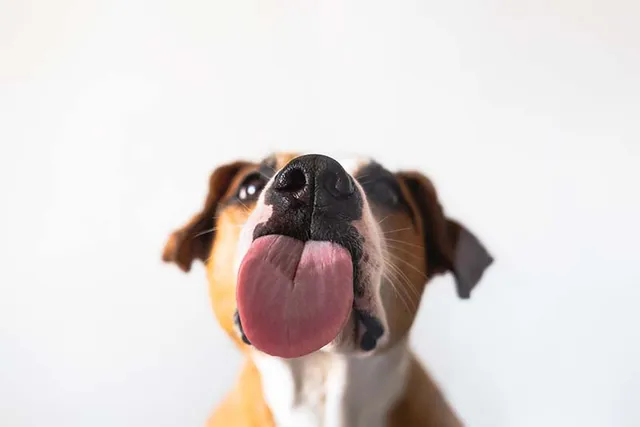
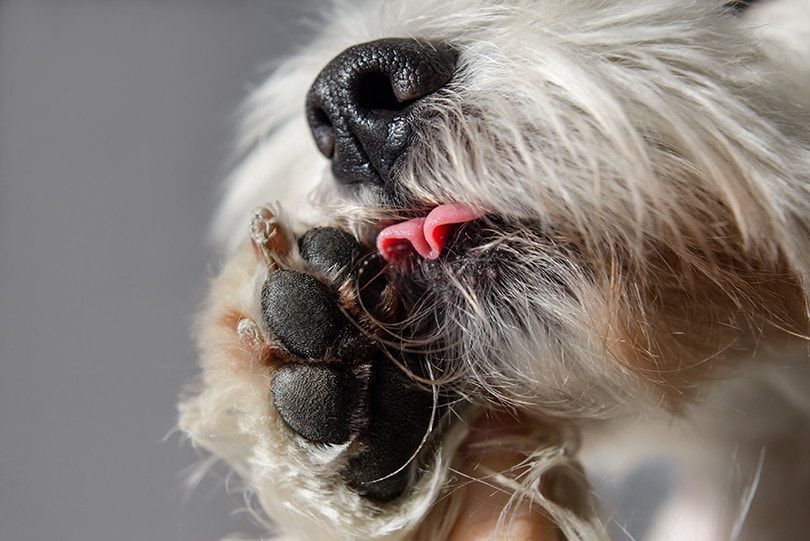
Regardless of your dog's breed or age, it’s unlikely that you’ll be able to avoid all the licking. Dogs are well known for using their tongues to show affection and curiosity. But how much is too much? Is your dog's behavior related to a health condition? Below, we'll discuss why dogs lick everything and when you should seek veterinary help.

The 9 Reasons Why Dogs Lick Everything
1. They Want Attention
Do you reward your dog for licking with pets and cuddles? If so, it’s no wonder they lick everything! They’ve learned that when they want attention, they can lick things to get it! Dogs learn which behaviors they can present to get the results they want. If they know that you will stop what you're doing to pay attention to them when they lick the walls, they’ll start licking the walls more often!

2. They’re Hungry or Thirsty
Dogs also lick objects when they’re looking for food or water. Is it almost time for dinner? Your dog might be licking in search of any tasty morsel to hold them over or some spilled water to quench their thirst.
If your dog is licking everything, check their food and water bowls. If they’re licking because they’re hungry, you might want to break their feeding schedule into several smaller meals so they don’t feel as hungry during the day.
3. They’re Exploring Their Surroundings
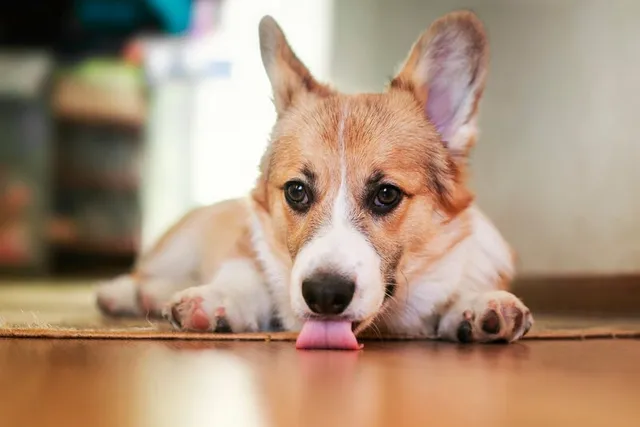
Like sniffing and pawing, dogs explore their surroundings with their tongues. Since they can’t ask us questions, they must determine the answers through trial and error. If your dog wants to know if they can lick something, the easiest way to find out is just to lick it.
When dogs lick things, they learn more about the object they’re licking, so they’re inclined to lick items they don’t understand.

4. They’re Grooming Themselves
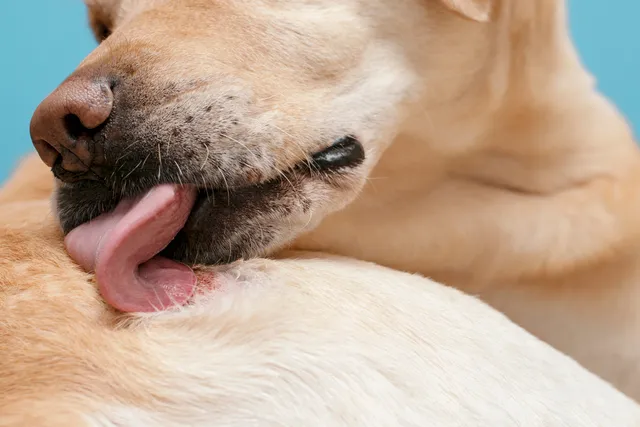
While they’re not blessed with the super-powered grooming tongue of a cat, a dog’s tongue is a perfectly viable option for a quick bath. If your dog is licking themselves, they might have noticed some fur out of place that they wanted to get back in order.
5. They’re Itchy or in Pain
If your dog licks one spot repeatedly, it can be a sign that they’re itchy or in pain. Licking their skin can briefly alleviate aches or itchiness, like scratching or rubbing for humans. If your dog keeps licking one specific spot, examine them closely and contact a vet if you find a wound or are concerned they're in pain.

6. They Feel Sick
Dogs may also lick objects when they feel ill. If they have a bad feeling in their tummy or mouth, they might start licking an object to alleviate it. Just like licking their skin might relieve itchiness, licking an object might indicate dental pain, nausea, or gastrointestinal distress.
Some dogs may excessively lick objects just before they throw up. Visiting a veterinarian will help you determine the cause of the behavior and how to treat your pup.
7. They’ve Developed a Cognitive Issue
Some dogs start licking excessively because of a cognitive issue. In this case, they don’t understand whether they’re doing it or why. Dogs may also lick due to an obsessive-compulsive-like disorder or anxiety issue. Trying to divert your dog’s attention to something other than licking is an excellent first step. If they can’t stop, it might be time to contact a vet to see what they say about their condition. Vets may prescribe medications or provide instructions about how to help your dog stop their excessive licking.
8. They’re Bored or Stressed
Dogs can also lick items excessively when they’re bored or stressed out. Has something new changed for your dog? If the licking is excessive or continues for a prolonged period, it’s probably a good idea to have them checked by a vet. There’s a good chance that they are suffering from anxiety or stress and have resorted to licking as a soothing behavior.
9. They’re Playing
Dogs also lick when they’re playing! Much like when your dog gives you kisses, dogs lick toys, themselves, and other dogs while playing. Licking is a social behavior for dogs, much like hugging in humans. They may just be showing their toy how much they appreciate it!


When Is Excessive Licking a Problem?
Some canines lick objects more frequently than others and may not have a health condition or behavioral problem. However, you can look for signs that your dog's licking is excessive and harmful. If your dog is licking their fur off or causing damage to their tongue or teeth with their licking, contact your veterinarian for an examination. Excessive licking can lead to inflammation and infections, and treating the condition before it worsens is vital.
How to Stop Excessive Licking
If your dog is licking everything excessively, there are multiple avenues you can try to help them stop. If you’ve noticed that your dog is licking to the point of harm, it’s essential to make an appointment with your veterinarian. If your dog is licking because they’re hungry, it’s a good idea to spread their meals out over the day, so they aren’t as hungry in between meals.
Keeping them in a stress-free and heavily structured environment is essential if your dog is licking because they’re anxious or stressed. Create and adhere to the schedule strictly so your dog knows what will happen and when. We can’t predict everything, but we can minimize the number of stressors in our dogs’ lives for their comfort.
When the licking is occurring, try to divert their attention away from licking and onto something else. Give them a toy or something else to hold their attention. While diversion is an essential tool, it’s important not to teach your dog that they can lick themselves for attention from you, or they’ll start to lick themselves when they want your attention.
If you are concerned about excessive licking due to nausea, pain, or discomfort, your vet can help you determine the cause and make a treatment plan.

Final Thoughts
Licking in dogs can be an endearing trait, but we must determine if the behavior is excessive. Your dog can damage their skin if they lick the same spots repeatedly. Although some reasons for excessive licking are relatively easy to correct with training, you'll need your veterinarian's help when your dog suffers from an illness, injury, or cognitive problem.
Next on your reading list:
Featured Image Credit: Julia Serdiuk, Shutterstock
Expert dog care, straight to your inbox
News, insights, expert advice, and everything dog.

No spam — unsubscribe anytime.
By signing up, you agree to our Terms & Conditions and Privacy & Cookies Policy.
How useful was this post?
Click a star to rate. You can leave written feedback afterwards. (We read all feedback.)
Nicole has loved animals of all sizes her whole life so it's no wonder she has dedicated her career to helping them through what she loves best: learning, writing, and sharing knowledge with others. She’s the proud mom of two dogs, a cat, and a human. With a degree in Education and 15+ years of writing experience, Nicole wants to help pet parents and pets around the planet to live happy, safe, and healthy lives.