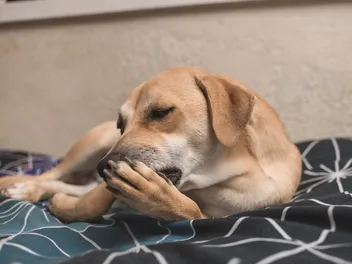
Why Does My Dog Nibble on My Other Dog? 6 Vet-Reviewed Reasons


In this article
Dogs can engage in behaviors that are normal to them but puzzling to us. Licking, chewing, and nipping are all common behaviors in dogs that don’t usually cause alarm. Some dogs may even nibble or ‘cob’ from time to time, and being mouthy can just be a tendency of their breed or the individual.
Dogs can nibble other dogs for a variety of reasons, including instinctual habits, teething, and grooming. Sometimes, nibbling can indicate an underlying medical condition or behavioral health issue. So, it’s still worth paying attention to your dog when they’re nibbling. This can ensure that both your dogs are healthy and aren’t bothering each other. Here are 6 potential reasons why your dog is nibbling on your other dog, and when to be concerned.

The 6 Reasons Your Dog Nibbles on Your Other Dog
1. Herding Instinct
Dogs bred for herding will often nip or nibble on dogs and other types of pets. They do this because they were bred to control and direct the movement of herds from place to place. Because this is instinctual behavior, your dog may start to nibble on your other dog even if they’re not formally trained to herd livestock.
Herding dog breeds that are known to nip include Australian Cattle Dogs, Border Collies, Cardigan Welsh Corgis, and Miniature American Shepherds. Fortunately, you can train dogs to stop nipping. It will take some time and consistency, and working with a professional dog trainer can help reduce this behavior and redirect your dog’s energy to something more preferable.

2. Puppy Teething
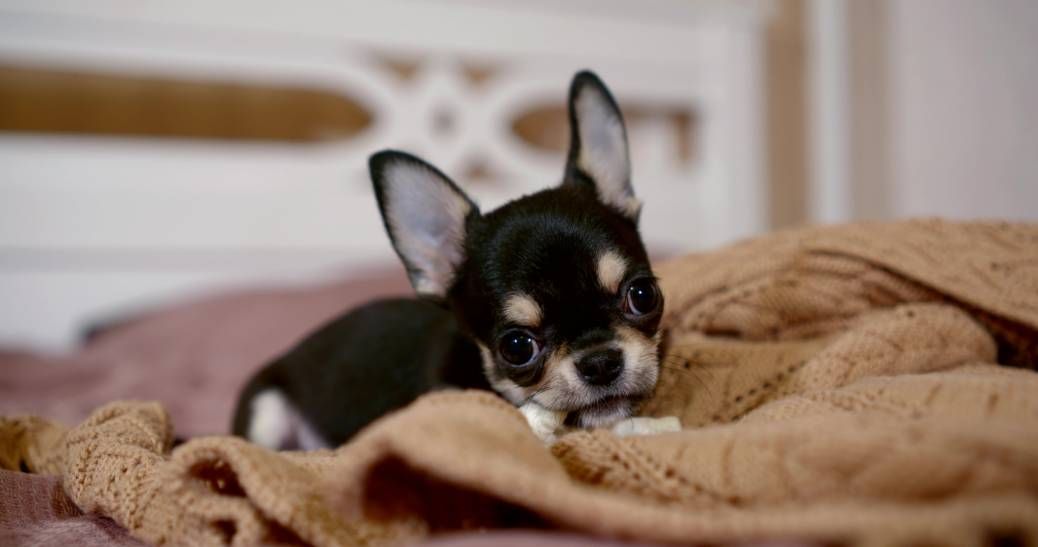
Puppies generally start teething when they’re about 3 to 4 weeks old. Their baby teeth will grow. Then, their baby teeth will start to fall out at about 12 to 16 weeks, and their adult teeth will grow. This phase can feel very irritating and painful for puppies, and it’s common for them to become mouthier during this time. They will start to chew on just about anything to alleviate gum irritation, which can include your other dog.
It’s helpful to buy a couple of dog toys and chews designed to help puppies go through teething. Some toys contain water inside so that when you freeze them, they can feel a cooling and soothing effect and help reduce redness in your puppy’s mouth. Your other dog will surely also appreciate your puppy chewing and nibbling on a toy rather than them!
3. Showing Affection
Some dogs are just mouthier than others and may show affection through licking and nibbling. It’s also common for dogs to lick each other as a form of greeting and acknowledgment.
Licking is normal and an instinctual canine behavior. It’s linked with mothers licking their puppies, so it’s possible your dog may lick or nibble at your other dog if they develop a strong bond with each other. It’s also more common for younger puppies to nibble on older dogs.

4. Grooming Each Other
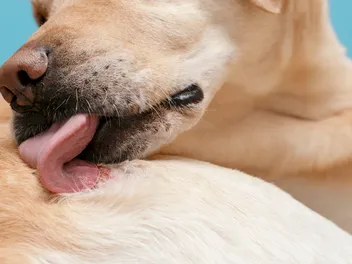
Dogs are also known to groom each other. Your dog may lick or gently nibble on your other dog when they want to groom them. Sometimes, dogs will lick each other’s ears if they have an ear infection. It’s unclear as to the exact reason why they do this. Some dogs may be attracted to the smell, while others may think the dog’s ear needs to be groomed. Therefore, if you notice your dog licking or nibbling on your other dog’s ear, examine their ears to see if they have an infection.
5. Getting Attention
Your dog may nibble on your other dog if they want to get their attention. This often happens when your dog feels bored and wants a playmate.
Dogs can also start to nibble on their owners if they discover that it grabs their attention. So, if you react to your dog’s nibbling consistently, your dog will eventually learn that it’s an effective way of getting your attention, so if you don’t want to encourage it, ignore the behavior and walk away.

6. Behavioral Issue
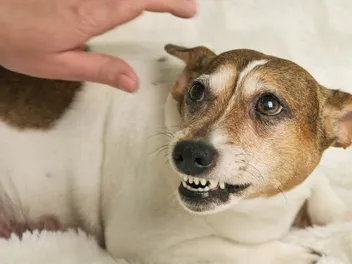
Nibbling can start to cross unhealthy territory when it’s linked to a behavioral issue. Your dog may start to nibble on your other dog whenever they’re feeling anxious or bored. Nibbling can become a compulsive behavior that’s linked to frustration, anxiety, or other underlying health issues. So, if you find your dog trying to nibble on your other dog frequently or excessively, it’s best to take them to your veterinarian to discover what’s causing this behavior.
When to Be Concerned
Many cases of nibbling and cobbing are normal and harmless. However, it’s better to err on the side of caution and pay attention to this behavior. Try to identify any factors that may trigger this behavior and consult your vet to figure out the reason behind your dog’s nibbling. If your adult dog develops a sudden habit of nibbling, make sure to pay attention and get them examined by your vet. In most of these cases, there’s an underlying health issue or behavioral issue that’s causing the nibbling.
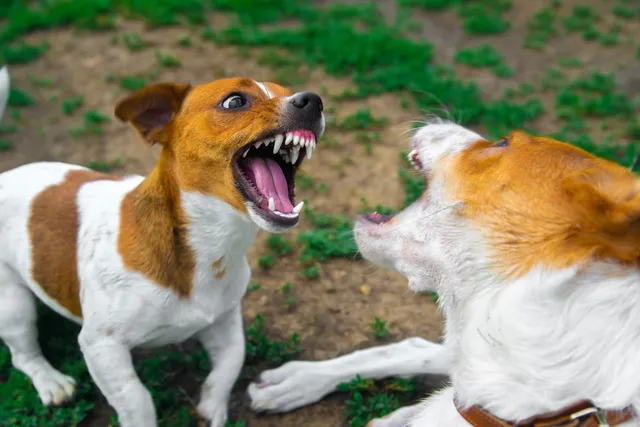
It's also important to pay attention to how your other dog reacts to the nibbling. Not all dogs will appreciate this sign of affection or have the patience for it. Persistent nibbling can strain your dogs’ relationship and escalate to a fight. Therefore, it’s recommended to address the nibbling right away and work with a professional dog trainer to come up with an effective training plan if the nibbling continues.
Conclusion
Dogs can nibble at other dogs for a number of reasons. So, it’s best to identify exactly what’s causing this behavior. Take your dogs to your vet for a physical exam to see if the nibbling is connected to a medical issue. Treating the medical issue will often help resolve the nibbling.
If your dog’s healthy, the nibbling isn’t frequent, and your other dog doesn’t seem to mind, then there isn’t anything to worry about. However, if the nibbling continues and it’s starting to irritate your other dog, make sure to start training and redirecting your dog to nibble on something else.
Featured Image Credit: IAKIMCHUKIAROSLAV, Shutterstock
Expert dog care, straight to your inbox
News, insights, expert advice, and everything dog.

No spam — unsubscribe anytime.
By signing up, you agree to our Terms & Conditions and Privacy & Cookies Policy.
How useful was this post?
Click a star to rate. You can leave written feedback afterwards. (We read all feedback.)
Jessica is a freelance writer who spends bigger part of her day researching and writing while her furry companion Cavapoo, Nora, snoozes beside her. She loves dogs, pets and animals because there’s so much to learn from them, and they do so much for us. As a dog mom, she understands the strong connection that pet parents have with their pets. So, she loves sharing helpful information that pet owners can use to better understand their beloved pets. When she isn't writing, you may find her walking dogs, tending to her plants, or drinking her nth cup of coffee.