Why Dogs Lick Each Other’s Ears? 6 Vet-Verified Reasons


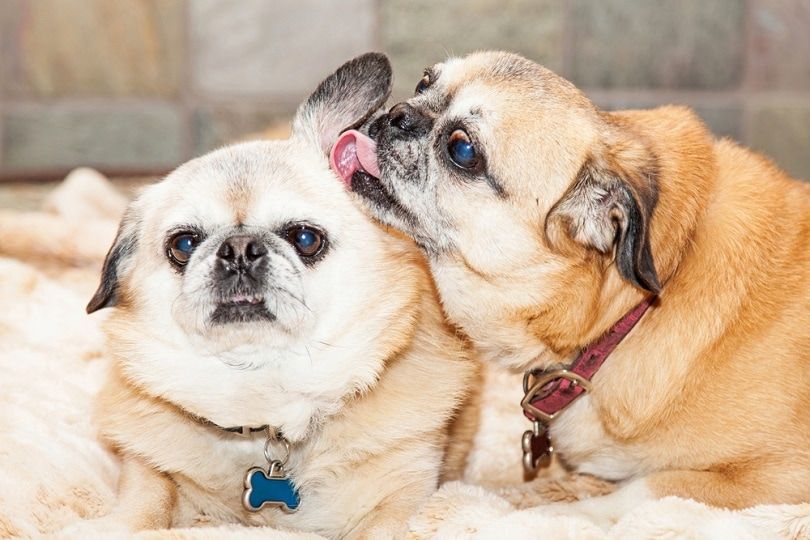
Our canine and furry companions are known for their cute, funny, and sometimes quirky and bizarre behaviors, like when they lick each other's ears. This behavior might be gross to you, but it's normal to them. So how did it start, and why do they do it?

Where Did It All Start?
Most dog breeds come from ancestors shared with wolves that lived in social groups, and communication is important within those groups. Dogs use a variety of signals such as body language, vocalizations, and sometimes licking.
Before domestication, dogs’ wild ancestors lived in social packs. While licking is not a formal “signal” of presence, it does play a role in social bonding and grooming behaviors.
You might think of licking as a kind of “social gesture” for dogs. Dogs are social animals, so licking behavior can still be seen in many interactions.
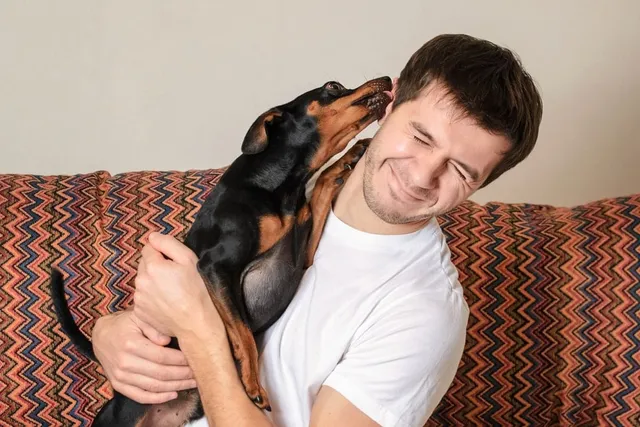
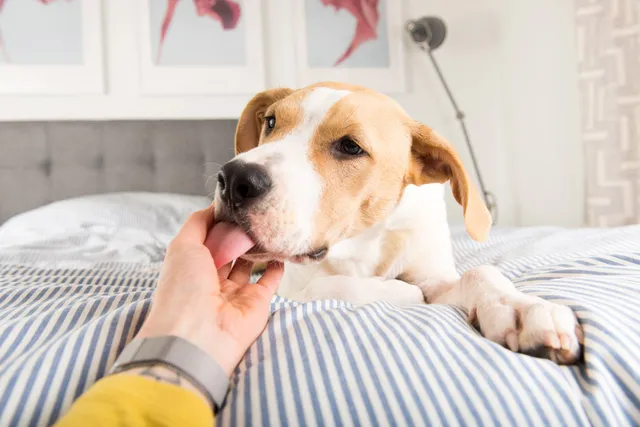
Two dogs that are closer to each other often engage in grooming. Your dog may lick you to show affection or lick another dog as part of social bonding. These behaviors often begin early in life.
A mother dog regularly licks her puppies to show affection and groom them. Therefore, a puppy may learn from their mom that licking is associated with comfort, care, and bonding.
The 6 Possible Reasons Dogs Lick Each Other's Ears
As we have mentioned, dogs may lick each other for several reasons. Here are some of the reasons why:
1. Grooming
You think your dog is gross, but surprisingly, they care about their own hygiene too. Your hound may groom themselves by licking. However, dogs cannot reach or clean their own ears when grooming.
Two dogs that are close or familiar with each other may occasionally groom each other as part of social bonding. In some cases, this can include licking around the head or ears, though this is not a primary grooming behavior.
However, while gentle grooming is usually harmless, excessive licking can lead to skin irritation. If one dog is overly persistent, it may cause discomfort or redness around the ears. Excessive licking of the ear itself may also contribute to redness and ear infections for your pup, so be sure to check the ears, clean them, and try to control the licking.
2. Submission
As mentioned earlier, dogs are social animals. Licking is part of appeasement behavior, and some dogs may lick others as a way to avoid conflict and show submission.

3. Delicious Ear Wax!
No matter how gross it sounds, it's the truth for many dogs; some of them just love the taste of earwax. Earwax can contain salts and other compounds, which may make it mildly appealing to some dogs, but this is not a universal preference.
The love for earwax, however, may not be the best if it becomes excessive. If your dog is crazy about earwax, they may drive the other dog crazy. Moreover, as we said, too much licking may be irritating to the ear and predispose to inflammation and infection, so be sure to try to stop this behavior.
4. Infection
Dogs have an incredibly strong sense of smell. Therefore, another reason your dog might be licking the other dog's ears is that they can smell changes in odor caused by an infection.
Infections sometimes produce discharge or yeast, and again, however gross it sounds, your dog may love it. If you notice that your dog, who usually doesn’t lick its companion, starts to lick them, you can consider checking the ears and taking your dog to the vet if it seems inflamed, red, or smelly.
5. It's Better than a Butt Sniff
Some dogs love the good old butt sniff way of greetings, while others may avoid or interrupt it.
If that happens, dogs may use other social signals such as body language or brief licking in some interactions, but licking is not a direct substitute for sniffing as a greeting behavior.
6. Licking Has a Soothing Effect
We all have our nervous tics, and dogs do have their self-soothing behaviors too. In some cases, this may be licking. They may lick their own paws or occasionally lick another dog’s ears, though this can also have a social or exploratory purpose.
If you have an anxious dog, this may be one possible reason for increased licking behavior, but it is not the only explanation. In many cases, the goal is not only to stop the licking but to identify triggers and manage or redirect the behavior in a healthy way. We will discuss this in the section below.

Is It Safe?
Now you know why dogs lick each other's ears, your next question would be if this behavior is safe. Depending on why they are doing it, the answer is both a yes and a no.
In many cases, it is harmless for the licked dog. However, if you have an excessive licker, then it might not be safe or appropriate for them, potentially causing irritation and discomfort or predisposing them to ear issues. If the dog is suddenly licking, then it might be a sign of a health issue such as an ear infection, so you might want to consult with a vet.
How Do I Stop It?
If you have an excessive licker, you want to stop them from frequently licking other dogs. Fortunately, it is easy, and you can stop them from licking another dog’s ears by:
Divert Your Dog's Attention
You could perhaps get them an interactive toy to play with. It is important to offer the toy before the licking behavior starts, to help redirect and reinforce an alternative behavior rather than allowing the habit to continue. Be observant and take note of scenarios when the behavior is initiated. Soon, you will be able to anticipate the behavior, and this is the point where you will start a play session or present a toy.
The typical dog toys may effectively entertain your dog, but some dogs get bored too easily. If this is the case, an interactive toy is your best bet. These toys may have treats, and for your dog to get the treat, they need to play with the toy to get it. It is also a good idea to rotate different toys regularly to keep your dog mentally stimulated.
Give Them Something to Lick
Remember, one reason for your dog's licking your other dog's ears is that it soothes them. A silicone lick pad comes in handy in this case. You can get your dog a silicone lick pad and stick it on the wall.
You can then apply some peanut butter (free of xylitol) on the pad and get your dog to lick the pad. The silicone pad does not allow the dog to lick all the butter quickly, so your dog will spend considerable time licking the pad and using it to soothe themselves.

In Conclusion
While it may seem and sound gross to see your dog licking other dogs, licking is still ordinary for most dogs. However, you need to look closely to identify if it gets excessive.
If it does, you need to act. Either identify the trigger, visit a vet, find something that will distract them, or give them something else they can lick.
See Also: Why Does My Dog Twitch in Their Sleep?
Featured Image Credit: Susan Schmitz, Shuttetstock
Expert dog care, straight to your inbox
News, insights, expert advice, and everything dog.

No spam — unsubscribe anytime.
By signing up, you agree to our Terms & Conditions and Privacy & Cookies Policy.
How useful was this post?
Click a star to rate. You can leave written feedback afterwards. (We read all feedback.)
Nicole has loved animals of all sizes her whole life so it's no wonder she has dedicated her career to helping them through what she loves best: learning, writing, and sharing knowledge with others. She’s the proud mom of two dogs, a cat, and a human. With a degree in Education and 15+ years of writing experience, Nicole wants to help pet parents and pets around the planet to live happy, safe, and healthy lives.