Hyperkeratosis in Dogs: Guide, Symptoms & Treatment (Vet Answer)

In this article
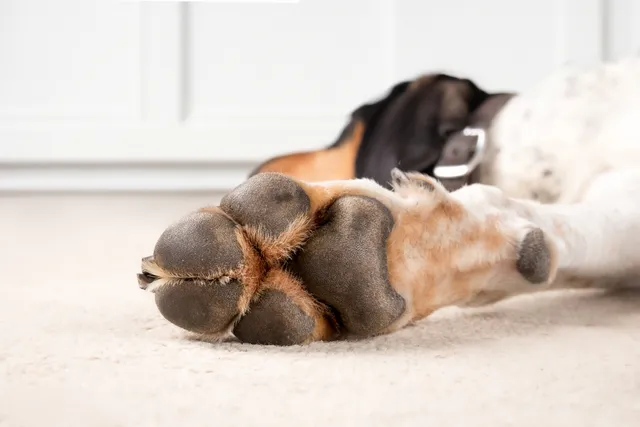
Canine hyperkeratosis is a skin condition in which dogs produce too much keratin. Keratin is one of the most important structural proteins found in skin, hair, and nails, as well as beaks and horns. In dogs, hyperkeratosis is most commonly seen on the footpads and nose, though other parts of the body can be affected.
There are a number of causes of hyperkeratosis in dogs, and treatment options vary based on the underlying cause. So, what should you be watching for, and what can be done to help your dog?

What Is Hyperkeratosis in Dogs?
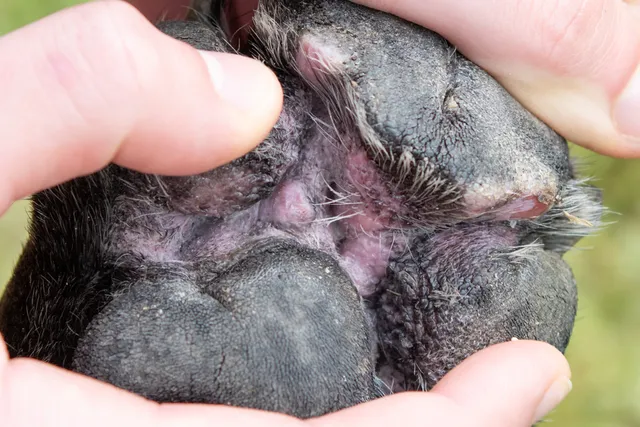
Hyperkeratosis in dogs is caused by the overproduction of keratin, the key structural component in skin 1. Hyperkeratosis causes thickening and hardening of the skin, resulting in cracking and, sometimes, secondary skin infections. It is important to note that hyperkeratosis is not a diagnosis, but rather a sign or symptom seen with several different health issues. These health issues might be confined to the skin, but hyperkeratosis can also be caused by internal (“systemic”) health problems.

What Are the Signs of Hyperkeratosis in Dogs?
Hyperkeratosis in dogs typically affects the foot pads and nose. Less commonly, the ears, abdomen, and elbows can be affected. Signs include:
- Thickening of skin
- Loss of pigmentation (color)
- Crusting
- Dry, rough appearance to the skin
- Cracking and bleeding
- Limping, if the cracked foot-pads are causing pain
Some dogs will show signs of intense itchiness due to their hyperkeratosis, but not all dogs. Similarly, if hyperkeratosis is the result of an internal or systemic health problem, dogs will show general signs of malaise such as lethargy, reduced appetite, and vomiting.
Middle-aged and older dogs seem to be more prone to hyperkeratosis. This is quite different in humans, where the skin tends to thin with age.

What Are the Causes of Hyperkeratosis in Dogs?
The six main causes of hyperkeratosis in dogs are:
If you’re concerned about your pet's health, you should contact a vet.
How Do I Care for a Dog With Hyperkeratosis?
Caring for a dog with hyperkeratosis starts with a visit to the veterinarian. If an underlying cause for hyperkeratosis is identified, this should be addressed. For example, infections, zinc deficiency, and liver disease will all require treatment to correct hyperkeratosis long term.
Treating the unhealthy, over-keratinized skin is also important. Specially formulated emollient ointments are used to soften the hard, thickened skin. Keratolytics are often used to break up the excess keratin. Topical anti-inflammatories and antibiotics can also be used. Most of these medications will need to be prescribed by a veterinarian.
If pemphigus foliaceus is diagnosed, medications will need to be used to suppress the immune system. Similarly, if a skin infection or dermatitis is identified, antibiotic tablets may be recommended.

Frequently Asked Questions
Is There a Cure for Hyperkeratosis?
The answer to this question is largely dependent on the underlying cause of hyperkeratosis. Hyperkeratosis due to infection, dietary zinc deficiency, and liver disease may be curable. However, hereditary, age-related, and auto-immune causes of hyperkeratosis generally require lifelong management. With appropriate treatment, the skin can usually be restored to its full health and normal appearance.

Is Hyperkeratosis Contagious?
Hyperkeratosis itself cannot be transmitted from dog to dog. It is not zoonotic, meaning it cannot be transmitted to people. However, if hyperkeratosis of the skin is caused by the canine distemper virus, this is a highly contagious disease. In most parts of the world, dogs are vaccinated against distemper.
Conclusion
Hyperkeratosis is a skin condition seen most commonly in middle-aged and senior dogs. It results in a thickened, dry and crusty appearance to the skin, particularly on the nose and footpads, that can cause significant discomfort. The causes of hyperkeratosis are numerous.
Thankfully, most cases of hyperkeratosis can be treated, alleviating the signs of disease. If you are concerned about your dog’s skin, don’t hesitate to contact your veterinarian.
Featured Image Credit: Ground Picture, Shutterstock
Expert dog care, straight to your inbox
Vet-reviewed advice, training tips, and the best of Dogster. Free, and you can unsubscribe anytime.
By signing up, you agree to our Terms & Conditions and Privacy & Cookies Policy.
Dr. Joe Mallat DVM (Veterinarian)
Joe is a veterinarian from Sydney, Australia. When he's not working, he enjoys cooking, exercising, and exploring the Australian wilderness. He has worked for 2 years at a mixed-species practice on the mid-north coast of New South Wales, treating animals of all sizes. His areas of particular interest include wound management, internal medicine, and oncology. Joe's love for the profession comes not only from helping dogs, but also from helping their parents and working with wonderful teams of people.
Joe completed his Bachelor of Veterinary Biology and Doctor of Veterinary Medicine at the University of Sydney in 2020.
Join the conversation
Ask a question, share your story, or send private feedback.