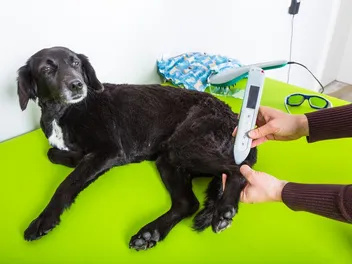
Do Heating Pads Help With a Dog’s Arthritis? Vet-Approved Facts & FAQ



Arthritis is quite common in older dogs. If you understand the pain and discomfort that the ailment can inflict, you may wonder whether you can use heat therapy to offer relief to your pet.
Will a heating pad help alleviate the pain of a dog with arthritis? The answer is yes. Heat treatments increase blood flow and boost muscle relaxation. They also ease muscle spasms and rigidity to offer relief from arthritic pain.
Read on to learn how to keep your arthritic furry friend more comfortable using heating pads. We will also share tips to help you manage the condition and ensure that your pet leads a long and happy life.

Heating Pads & Arthritic Pain in Dogs
Arthritis attacks joints and causes painful inflammation and stiffness. Although the disease has no cure, some treatments can help preserve joint functions and limit the aches. Most treatments, including anti-inflammatory medications and arthritis surgery, are invasive, though.
Heat therapy offers a non-invasive means to reduce joint pain and inflammation. Applying heat to aching joints using a special pad can make walking and moving around easier for your pup.
Heating pads designed for dogs ensure that your pet reaps the full benefits of heat therapy without jeopardizing their safety. The pads evenly distribute the heat to avoid causing burns or discomfort on the skin. This ensures almost instant comfort and relief from the aches.

How Do Heating Pads Work to Relieve Arthritic Pain?
Applying heat to the sore spots offers pain relief by increasing blood circulation. This provides instant comfort and encourages the healing of damaged tissues by ensuring that they receive ample amounts of oxygen and nutrients.
In addition, warmth makes the connective tissues and muscles more pliable, reducing joint stiffness, and increasing flexibility. It also stimulates the production of joint fluid (synovial fluid), ensuring better joint lubrication for pain-free movements. Generally, this improves the joint range of motion, making it easier for your dog to exercise or move around.
A heating pad can also help arthritic dogs by distracting them from the pain. Your pet's sensory receptors will switch focus from the joint pain to the comforting warmth. This helps alleviate anxiety and enhance relaxation.
How to Use a Heating Pad on an Arthritic Dog
Heating pads make administering heat therapy a breeze. Products specially made for pets have settings ideal for a dog's needs. You can use them on the joints around the shoulders, elbows, or hips, among other areas where muscle damage and stiffness can occur.
For the best effect, ensure that you use warm—not hot—temperature settings. If the heating pad is too hot, it can burn the skin. Conversely, the therapy cannot be effective if the heating pad is not warm enough.
If you are worried about your heating pad's temperature, you can ensure safety by placing a towel between your dog and the device. Also, test its temperature on your inner wrist and make the necessary adjustments.
The ideal duration to use a heating pad on an arthritic dog will depend on the weather and the severity of an attack. Generally, you can apply heat for 10 to 30 minutes. Constantly check on your pets to ensure that they are comfortable.
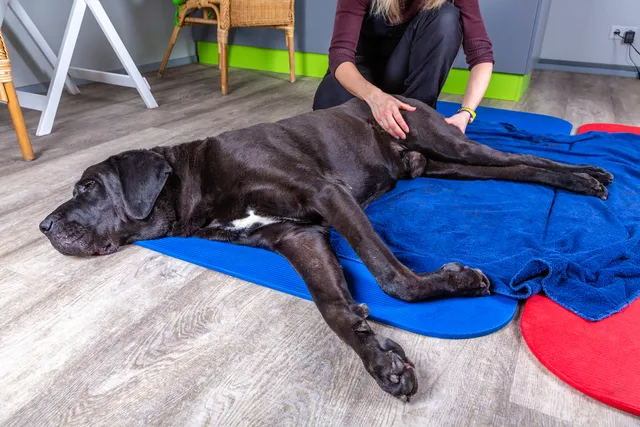
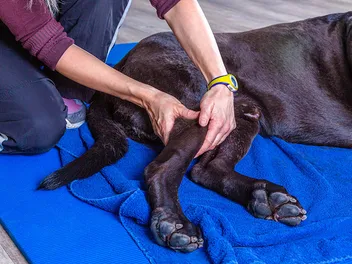
Start by massaging the affected joints and bones to improve circulation, flexibility, and mobility. The outcome of massage sessions will likely be more effective after at least 10 minutes of heat therapy using the heating pads. Gently knead the stiff muscles without putting direct pressure on the affected joints.

The 5 Tips to Keep Your Arthritic Dog Comfortable & Happy
An arthritis diagnosis can be scary, mainly because the disease has no cure. Fortunately, there are numerous strategies you can implement to help manage your dog's pain. It is also essential to partner with your vet to ensure that your methods of choice are safe yet effective.
Here are a few tips to help keep an arthritic dog comfortable and happy.
1. Do Basic Home Modifications
Arthritis causes immense pain, especially when moving around. It can also make your dog constantly anxious if they fear sliding on slippery surfaces. It would be helpful to invest in non-slip rugs and place them on smooth surfaces like hardwood and tiled flooring.
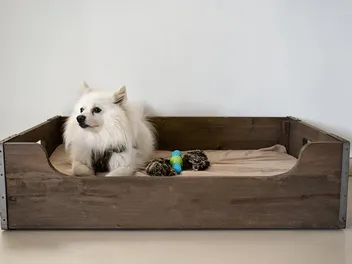
An orthopedic dog bed can also make a significant difference in the overall comfort of your furry friend. Such beds are low to the ground to ensure easy climbing when your pet wants to nap. Also, they are made from memory foam, which provides support to keep aching joints and bones more comfortable when sleeping.

2. Keep Weight & Diet in Check
Unhealthy weight can add undue pressure on aching joints. If your furry friend is overweight, it is crucial to help them lose weight to take some of the strain off sore areas.
Moreover, engage your pet in low-intensity exercises daily. Even a slow 10- to 30-minute walk can help strengthen the muscles and ligaments. It will also help in maintaining a healthy weight or shedding unhealthy pounds. Be sure to keep your dog's diet in check. The ideal food portions will highly depend on your pet's age and activity levels, so talk to your vet.
Also, you might want to invest in special meals that contain glucosamine, chondroitin sulfate, and omega-3 fatty acids. These can help reduce the disease progression and relieve arthritic pain by lessening joint inflammation.
3. Be Extra Gentle When Grooming
Another tip to keep your dog happy and comfortable is to be extra careful during grooming sessions. You must be gentle, whether you are brushing your dog's coat, trimming their nails, or bathing them.
It's not a good idea to lift an arthritic dog. If possible, use steps or ramps to make areas like your bathtub more accessible. If you must lift them, gently place one arm around their chest and the other around their behind. Ensure that they feel secure and watch for signs of discomfort.
Sometimes, arthritic dogs have aggressive tendencies and can behave unexpectedly if they are in pain. You must take extra precautions during grooming sessions and adjust your handling methods if they display signs of discomfort. Also, keep your sessions as short as possible to avoid overstressing your furry friend.

4. Assist Your Dog When Need Be
Most arthritic dogs, especially seniors, need extra support to move around. Activities like climbing stairs can be terrifying, especially as the disease progresses. If your furry friend doesn't need much help, you could make a homemade sling and wrap it under their belly or chest to help them move around.
Dogs with osteoarthritis may need more regular assistance getting up and about. If your pup can still walk around, you must use a specialized harness to keep them more comfortable. You'll need to talk to your vet about specialized carts for arthritic dogs if your pet has completely lost the function of a limb or two.
5. Be Patient
Although arthritis can be caused by injuries or diseases like obesity and diabetes, it is often a result of genetic predisposition.
The best way to thank your dog for the many times that the have cheered you up is to show them love and patience. Offering plenty of attention and affection will ensure that they remain happy even as they battle arthritis.

Conclusion
Heat works wonders for arthritic dogs. It improves the flexibility of stiff joints, enhances joint lubrication, and boosts blood flow to provide relief from pain and discomfort. It is pretty usual for dogs to fall asleep once you apply a heating pad, which shows how soothing the treatment is. It is simple yet highly effective in promoting comfort and relaxation for dogs with arthritis.
The secret to ensuring the best outcome is to apply warm (not hot) heat. If your dog shows signs of discomfort like growling or moving excessively, stop the treatment and consult your vet.
Sources
Featured Image Credit: everymmnt, Shutterstock
Expert dog care, straight to your inbox
Vet-reviewed advice, training tips, and the best of Dogster. Free, and you can unsubscribe anytime.
By signing up, you agree to our Terms & Conditions and Privacy & Cookies Policy.
Nicole has loved animals of all sizes her whole life so it's no wonder she has dedicated her career to helping them through what she loves best: learning, writing, and sharing knowledge with others. She’s the proud mom of two dogs, a cat, and a human. With a degree in Education and 15+ years of writing experience, Nicole wants to help pet parents and pets around the planet to live happy, safe, and healthy lives.
Join the conversation
Ask a question, share your story, or send private feedback.