15 Ways to Keep Dogs From Slipping & Sliding on Floors: Vet-Approved Tips


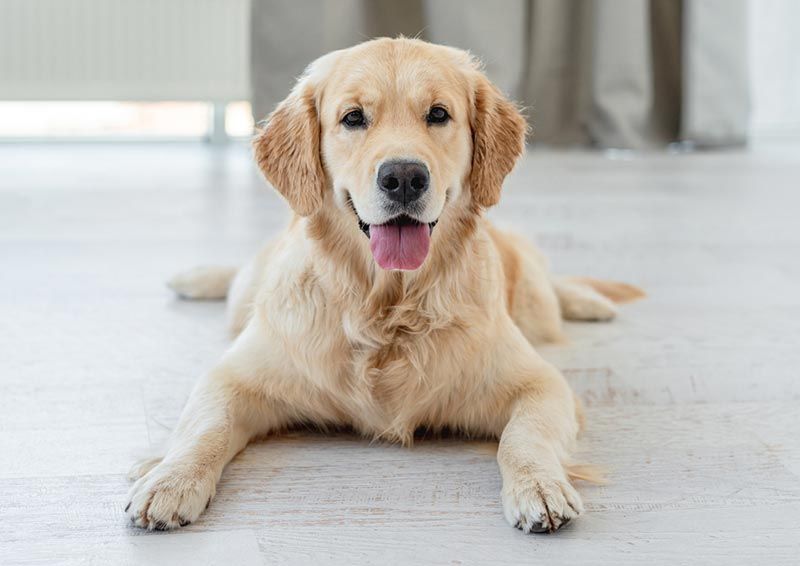
Dogs are well-equipped for many different terrains. For example, their nails help them in muddy, wet, and even icy conditions. However, one terrain that they struggle with is the typical hard, shiny house floor. If you have laminate, plastic, or polished wood floors, you may have noticed your dog sometimes struggling to keep their balance as they walk or scrambling to find footing when excited. While it might be amusing at first, it may lead to injury for your dog and cause damage to the floor too.
Here are 15 tips to help keep dogs from slipping and sliding on floors.

The 15 Ways to Stop Dogs From Slipping & Sliding on Floors
1. Paw Pad Care
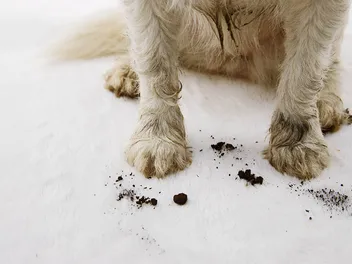
A dog’s paw pads help provide traction, cushioning, and protection while walking. They are textured and have a textured surface that helps improve grip on different terrains. However, dry, irritated, or worn paw pads may reduce traction on smooth indoor floors and contribute to slipping. Using pet-safe paw balms or waxes may help keep your dog’s paw pads moisturized and in good condition. Long fur between the paw pads should also be trimmed carefully, as it can reduce grip on slippery surfaces. If your dog’s paws appear cracked, painful, or severely irritated, it is best to consult a veterinarian.

2. Nail Care
Your dog’s nails help with traction, especially on surfaces like linoleum or tile. However, long nails might be what is causing your dog to slide on wood or other hard surfaces. Most dogs need their nails trimmed every 4-8 weeks or so, though pups that walk on concrete and abrasive surfaces a lot might not need trimming as often. Cut their nails, or have a groomer do it for you, and see if it helps minimize slippage.
3. Paw Hair Care
Some dogs have naturally long tufts of hair around their paws. If this hair has gotten especially long or if it is getting caught between your dog’s nails, it could be acting like a slip mat. Trim the tufts so they don’t reach the floor.

4. Dog Socks
Soft socks can cause slipping rather than cure it, but you can get textured socks that have small textured pads or an overall textured surface. It can be a challenge to persuade a dog to wear socks if they have never worn them before, but start slow and build up the amount of time that you have your dog wear a pair. They may eventually appreciate the fact that they aren’t sliding from wall to wall.
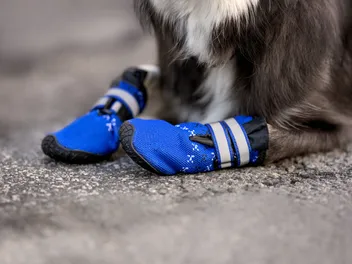
5. Dog Shoes
Similarly, dog shoes can have textured bottoms that help reduce slipping. Although shoes are generally worn outdoors to protect against temperatures on the ground, they can prove useful indoors too.

6. Toenail Covers
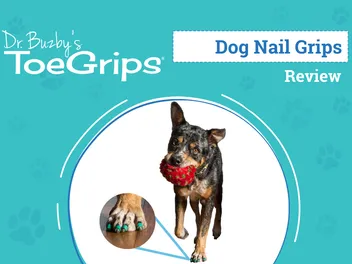
Nail grips or toenail covers are small rubber traction devices that attach to a dog’s nails to help improve grip on hard floors. The rubber doesn’t slip or slide on a hard floor, and the nail covers are not as intrusive as socks or shoes. Thus, they can be successful in reducing slippage.
7. Anti-slip Spray
You can apply anti-slip spray to the bottom of your dog’s feet to help reduce slipping. It is used in exhibitions and shows for this purpose and can prove useful for dogs that struggle with stability on hard floors at home. It’s important to choose a product specifically designed for pets and to follow the manufacturer’s instructions carefully.

8. Adhesive
Not just any adhesive will do, but you can get adhesive pads or strips designed to be put on the bottom of a dog’s feet. These add a textured layer between your dog and the floor. Some dogs dislike the feeling of having pads attached, though, and may try to chew them off, so you will have to keep an eye on your pup, especially the first few times they wear these pads, to prevent ingestion.
9. Gating Off Slippery Surfaces
If there is one particular room or area that is really slippery and it’s feasible to do so, consider adding a stairgate to prevent your dog from accessing this room. Stairgates are easy for humans to open but difficult (though not necessarily impossible) for dogs to circumnavigate. Alternatively, you can close doors, but this may not be a desirable option if the room you are closing off is a living area and you want your dog with you.

10. Mats, Rugs, and Runners
Even if you can’t cover every square inch of the floor, adding runners in hallways, mats in doorways, or rugs in the middle of a room can provide your dog with a platform to work from. If your dog dislikes the slipping motion, they will instinctively head for the rugged area because it means they won’t slide around.
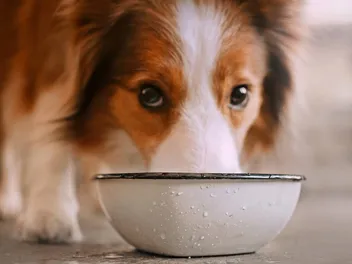
11. Diet
Overweight dogs tend to have more of a slipping problem than dogs of ideal weight. Excess weight can place additional strain on the joints, muscles, and paws, which may affect balance and mobility. Dogs that are overweight may also be less stable when walking on smooth indoor surfaces. If your dog is overweight, measure their food accurately and feed them according to their target weight. Consult with a vet before starting your dog on a diet, as this will help ensure that they are still getting the nutrition they require.

12. Strength Training
If your dog slips frequently, it may sometimes be related to reduced muscle strength, although other factors such as flooring type, nail length, paw condition, age, or joint health are often more common causes. In dogs, improved muscle strength and coordination can help support better posture and stability. Regular, appropriate exercise and walks can help improve muscle tone and balance, which may reduce the likelihood of slipping. Take your dog to a canine sports class, or find ways to enhance their muscular strength at home.
13. Senior Support Sling
Senior dogs can find it difficult to walk on slippery floors and especially challenging to get up to a standing position on this type of surface. A support sling sits around your dog’s abdomen, and when you see them struggling to get up, you use it to take off some of the weight while offering stability. It reduces pressure on the joints and muscles and helps them get up safely.

14. Vet Consult
Certain health conditions and illnesses can cause mobility issues. Slipping on a hard surface might, in fact, be a sign of a condition like hip dysplasia, rather than poor paws, although it is more commonly caused by environmental factors like flooring, nail length, or age-related weakness. If your dog struggles on other surfaces or you see signs, such as limping, stiffness, joint swelling, or a reluctance to move, get them checked by the vet as soon as possible. Dysplasia can be painful and lead to other health problems.
15. New Flooring
It is an extreme solution, but you can exchange your hard floor surfaces for something more textured and less likely to cause slippage. Consider carpets, or if you want a wood floor, opt for something with a rough surface, rather than smooth.

Final Thoughts
Dogs and slippery surfaces don’t always go well together. Surfaces like wood and tile can prove especially difficult for your dog to get traction and stay upright. Slipping on a floor surface can lead to damage to the floor and injury to the dog. It may also prevent your pet from going into certain rooms of the house. Hopefully, by using one or more of these tips, you can help stop your dog from slipping on hard floors around the home.
See also: My Senior Dog Is Slipping on the Floor
Featured Image Credit: Tatyana Vyc, Shutterstock
Expert dog care, straight to your inbox
News, insights, expert advice, and everything dog.

No spam — unsubscribe anytime.
By signing up, you agree to our Terms & Conditions and Privacy & Cookies Policy.
How useful was this post?
Click a star to rate. You can leave written feedback afterwards. (We read all feedback.)
Nicole has loved animals of all sizes her whole life so it's no wonder she has dedicated her career to helping them through what she loves best: learning, writing, and sharing knowledge with others. She’s the proud mom of two dogs, a cat, and a human. With a degree in Education and 15+ years of writing experience, Nicole wants to help pet parents and pets around the planet to live happy, safe, and healthy lives.