7 Vet-Reviewed Reasons Why Your Dachshund Has Bad Breath & Vet-Approved Tips


In this article
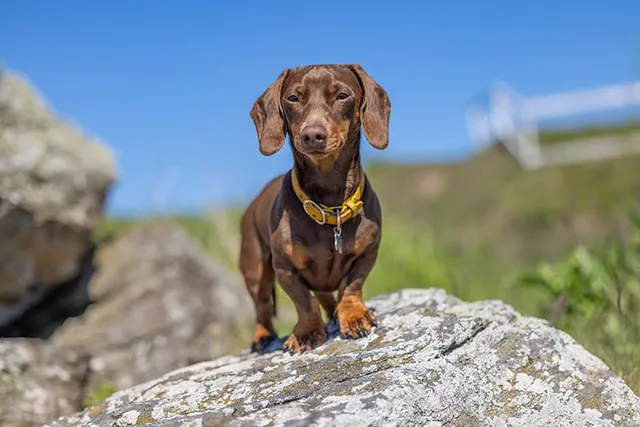
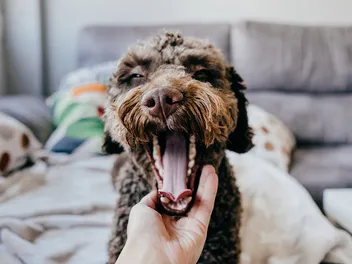
The Dachshund is a brave, affectionate, and playful dog that will always be ready with doggy kisses if given the opportunity. However, for some pet parents of a Dachshund, their kisses might be the last thing they want for one notable reason: bad breath or halitosis. Yes, many dog breeds have smelly breath, but your Dachshund might have breath that’s better referred to as “awful.” In other words, it’s not the kind of breath you want right up in your face (even if your Dachshund is just being sweet).
Here are several possible reasons why your Dachshund has bad breath and some sage advice on how to deal with it, the primary option being going to a vet. To find out more and start accepting doggy kisses from your Dachshund again, read on.

The 7 Vet-Reviewed Reasons Why Your Dachshund Has Bad Breath
1. Your Dachshund’s Teeth Need a Good Brushing
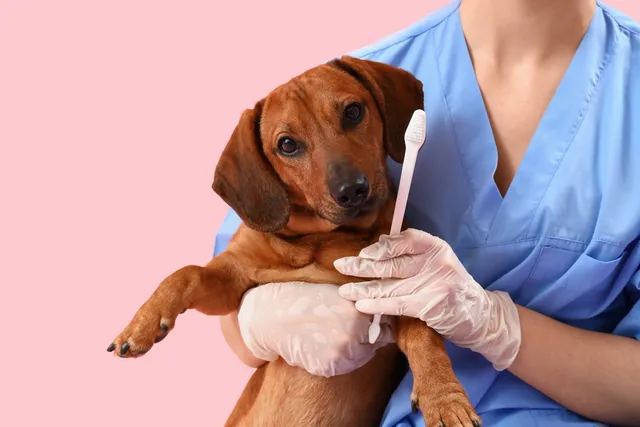
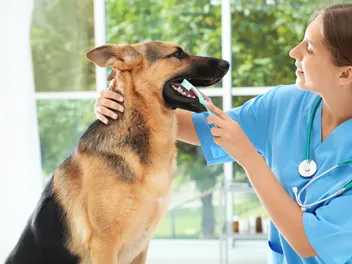
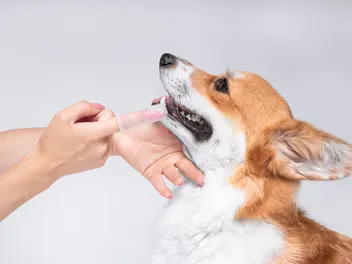
If your Dachshund has bad breath, it might be that all they need is a good tooth brushing. When food gets stuck in your Dachshund’s teeth, it will start to rot and cause foul breath. Veterinarians recommend brushing your Dachshund’s teeth a minimum of three times a week. This will aid in preventing plaque formation and the development of periodontal disease.

2. Your Dachshund Has a Dental Abscess
Dental crowding in Dachshunds' small mouths can significantly increase the risk of developing abscesses. An abscess is a localized bacterial infection resulting in an encapsulated collection of pus which often results in swelling and inflammation of the surrounding tissues, such as the gums. Dachshunds' teeth are tightly packed in their compact jaws, creating spaces where food particles and bacteria can easily become trapped.
If proper oral hygiene is not maintained, this buildup fosters bacterial growth, leading to gum inflammation or deeper infections in the tooth's root or surrounding bone. Over time, untreated abscesses can cause systemic infections, as bacteria may enter the bloodstream through damaged tissues. This can result in conditions such as bacterial endocarditis (infection of the heart lining), kidney infections, or liver abscesses. Systemic infections can significantly impact your Dachshhound's overall health and, in severe cases, become life-threatening.
To prevent dental abscesses and associated complications, it’s essential to brush your Dachshund’s teeth regularly, provide appropriate dental chews, and schedule routine veterinary dental checkups. Early intervention and consistent care help reduce the risk of both localized and systemic health issues, keeping your dog healthy and comfortable.
3. Your Dachshund Has Periodontal Disease
If you did not get into the habit of regularly brushing your Dachshund teeth, the excessive plaque build-up might have already caused gum inflammation and the development of periodontal disease.
Besides causing bad breath, this progressive condition will damage the gum, tooth roots, and even the underlying bone structure if not addressed. Take your Dachshund to the veterinary dentist for a professional clean and any treatment needed before the damage continues damaging your pup’s oral health.

4. Your Dachshund’s Diet Isn’t Optimal
Like all dogs, a Dachshund needs a high-quality diet to stay healthy and active. If the kibble and treats you give your Dachshund are low quality, with lots of sugar, additives, salt, fillers, and chemicals, they could very well affect your dog’s GI tract, which can affect its breath. Poor digestion or imbalances in the gut microbiome can result in odor-causing gases that travel from the stomach, adding to your dog’s bad breath.
Regardless of whether your Dachshund eats wet or dry food, ensuring overall diet quality is more important than the food’s texture. Providing high-quality, species-appropriate food and incorporating safe chewing options such as dental chews or raw meaty bones can help mechanically reduce plaque buildup. Ask a veterinarian about the best dietary option for your Dachshund.
5. Your Dachshund Is Engaging in Coprophagia
If there’s one thing that will make your Dachshund’s breath smell awful, it’s eating poop. Why would your delightful Dachshund eat poop, you ask? There are several reasons, including certain medical conditions, a behavior problem, or that your Dachshund became a mom recently and is eating her puppies’ poop.
Whatever the reason, if your Dachshund is eating its poop or the poop from another dog or animal, their breath will be foul, and a good brushing will be needed. Also, determining why they’re eating poop is essential so that you can stop the behavior. In some cases, eating poop could be a sign of a medical condition that requires veterinary attention. If it’s a mother Dachshund, however, they will usually stop eating poop when their pups reach a few months of age.
6. Your Dachshund Might Have Diabetes
If your Dachshund has diabetes, it may contribute to bad breath due to metabolic imbalances caused by the disease. A sweet or fruity odor on the breath can indicate diabetic ketoacidosis (DKA), a serious complication where the body produces excessive ketones due to a lack of insulin, leading to elevated blood sugar levels. Additionally, if diabetes progresses and affects the kidneys, your Dachshund may develop uremic breath, characterized by a metallic or ammonia-like odor. This occurs when the kidneys can no longer effectively filter toxins, leading to a buildup of waste products in the bloodstream.
Bad breath associated with diabetes or kidney disease requires immediate veterinary attention, as both conditions can be life-threatening if left untreated. While diabetes-related halitosis often stems from unregulated blood sugar, it’s essential to rule out other causes, such as dental disease or gastrointestinal issues, through a thorough veterinary evaluation. Managing diabetes with insulin therapy, a carefully monitored diet, and regular checkups can improve your Dachshund’s overall health and reduce the likelihood of complications affecting their breath.

7. Your Dachshund’s Chew Toys Might Be the Problem
Although not a common cause of bad breath, if your Dachshund plays with toys that hurt or damage its teeth and gums, bad breath can be the result. Some chew toys are too hard for Dachshunds. The wrong chew toy can cause damage to your dog’s gums and, in severe cases, crack or chip one or more of their teeth.
This can lead to gum infections, abscesses, and, in time, stinky breath. The easiest way to prevent bad breath from chewing and other toys is to buy high-quality toys designed for small dog breeds. Make sure to regularly check the state of the toys and replace them as needed.

The 5 Tips to Improve Your Dachshund’s Breath
If your Dachshund has smelly breath and you’ve ruled out any medical or health problems, the good news is there are several tips to try and bring their breath under control and make it less stinky.
1. Brush Your Dachshund’s Teeth Regularly
There’s no better way to keep your Dachshund’s breath smelling nice than to brush their teeth. Make sure you use veterinary-approved enzymatic toothpaste for dogs. They are not only safe and more effective but they are also flavored as things dogs prefer making it a little bit more likely for them to accept regular toothbrushing. The minimum is three times a week, which should be doable for most pet parents.
2. Use a Dental Freshener in Your Dachshund’s Water Bowl
There are many companies that make dental products geared toward dogs. Most are made to be added to your Dachshund’s water and are odorless and tasteless. It’s recommended to get a high-quality product with all-natural ingredients and as few chemicals as possible.

3. Purchase Treats That Clean Your Dachshund’s Teeth While They Chew
Many treats on the market are made from high-quality ingredients that will help keep your dog’s teeth clean while they happily chew away. Look for high-quality products approved by the Veterinary Oral Health Council.
4. Review the Diet
If your Dachshund’s oral health seems perfectly fine but they still have stinky breath, you need to review their diet to ensure there is nothing there causing them digestive issues. Ensure a high-quality diet that allows healthy digestion and a healthy and varied microbiome. Consider asking your vet to include some probiotics into your dog’s regime.
5. Book Your Dachshund for a Professional Tooth Clean at Least Once a Year
Nothing beats a professional tooth clean to get the job well done. With a dog under anesthesia and an arsenal of professional instruments, veterinary dentists can remove any tartar or plaque from your pup's teeth, resulting in healthy pearly whites.

Final Thoughts
Did you figure out what’s causing your Dachshund’s bad breath using the information provided today? We hope so because we love getting kisses from our pets as much as you do! Most Dachshunds’ bad breath problems are caused by dental issues, as we’ve seen, and brushing their teeth is essential. Bad breath can also be caused by diabetes, kidney problems, and aberrant behavior issues such as coprophagia which will need veterinary help to correct. Whatever the cause, we hope the information we’ve provided today will help you solve your Dachshund’s bad breath issues and see you gladly accepting their tiny doggy kisses once again.
Related Reads:
What Causes Puppy Breath & When Does It Go Away? Vet-Reviewed Facts
Reasons Why Your Dachshund Sleeps So Much & When To be Concerned
Sources
Featured Image Credit: Henry Lai, Unsplash
Expert dog care, straight to your inbox
News, insights, expert advice, and everything dog.

No spam — unsubscribe anytime.
By signing up, you agree to our Terms & Conditions and Privacy & Cookies Policy.
How useful was this post?
Click a star to rate. You can leave written feedback afterwards. (We read all feedback.)
Greg Iacono is a self-taught writer and former chiropractor who, ironically, retired early due to back problems. He spends his time writing scintillating content on a wide variety of subjects. Greg is also an accomplished video script writer known for his ability to take a complex subject and make it accessible for the layperson.
Before retiring from chiropractic, Greg had clinics in 3 different countries, including the U.S., Belgium, and Peru. When not writing, Greg spends his time traveling, riding his motorcycle, and doting on his 7-year-old daughter, Valery. He also has a massive Lego city he built with his son, Alex, and is very proud of his daughter, Catherine, an accomplished graphic artist.