How Much Do Pugs Sleep? Everything You Should Know (Vet-Reviewed)
In this article
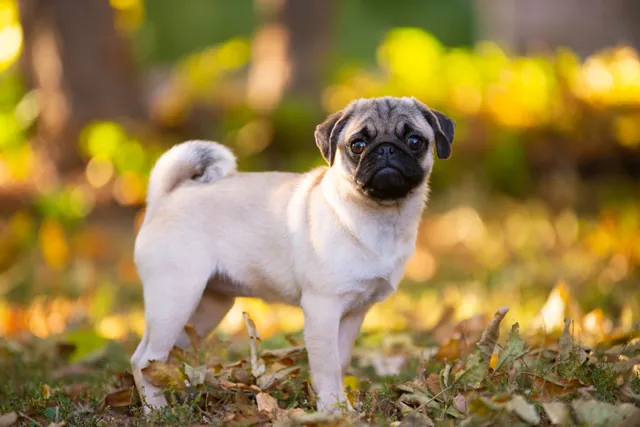
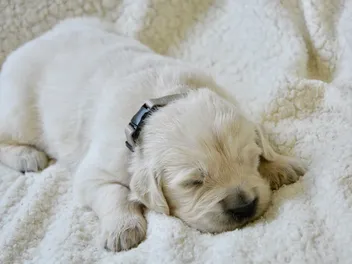
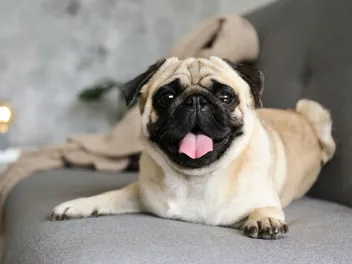
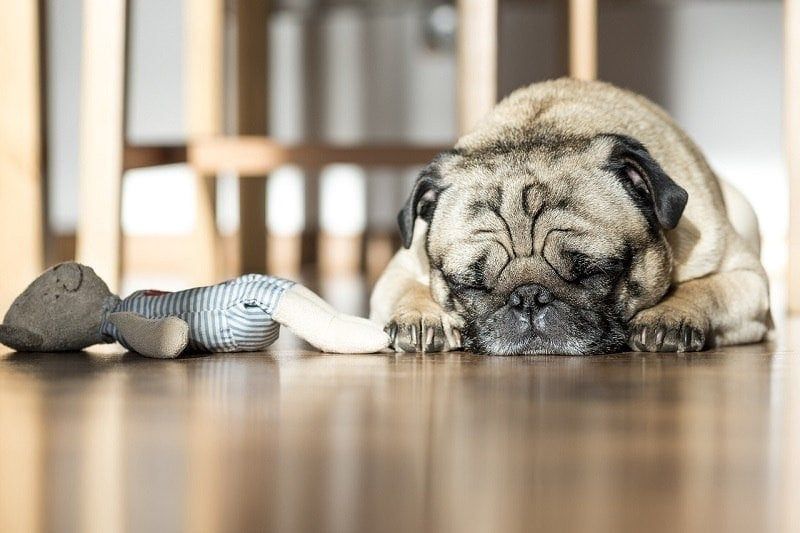
Pugs have something of a reputation for being lazy dogs that sleep a lot. In fact, while they might sleep a lot compared to people, they don’t really sleep any more than other breeds of dogs. An adult Pug will usually sleep for around 8 to 10 hours a night plus another 4 to 6 hours during the day, for a total of around 14 hours of sleep every 24 hours. Puppies will sleep a little longer than this, while senior dogs may also sleep longer.
Yours may be sleeping longer during the day if it isn’t getting a full night’s unbroken sleep. If you notice that your dog is lethargic, quiet, and sleeping longer than usual, it’s worth seeing a vet promptly because lethargy is often a sign of illness.

How Long Do Pugs Sleep?
How long a Pug sleeps depends on several factors, but primarily its age, health, lifestyle, and activity levels. Dogs that don’t get enough exercise may generally sleep longer, and if your dog has had a day full of physical activity and isn’t used to this level of activity, it may sleep longer, too.
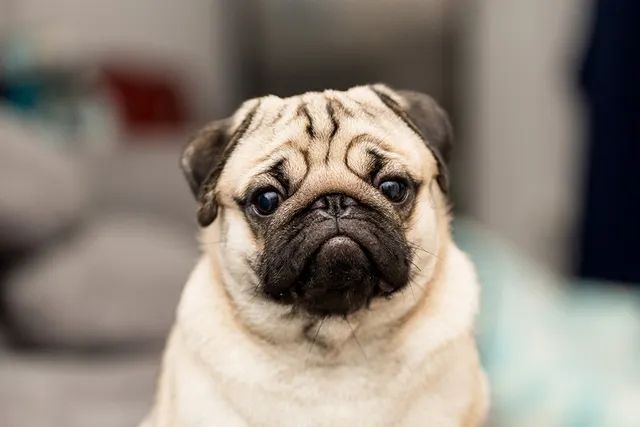
Pugs do not really sleep any longer than other dogs. However, they do tend to make quite loud noises while sleeping, because breathing through the nose and mouth can be challenging. Because they are loud sleepers and their owners can hear them sleep, it can seem like they snooze longer than other dogs.
Below is a table that shows how many hours a Pug sleeps according to its age.

| Age | Hours of Sleep |
| Puppy | 16–20 hours |
| Adult | 12–15 hours |
| Senior | 14–18 hours |
The amount a Pug sleeps really does depend, and even if you have two Pugs of the same age, they might have different sleeping habits.
About Pugs
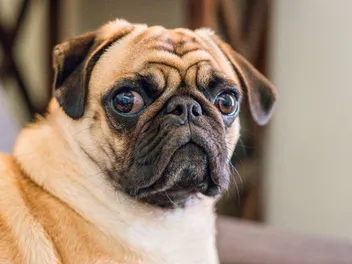
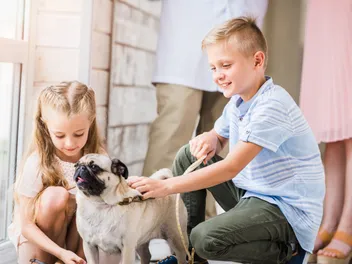
Pugs are small dogs that were initially bred as companion dogs. Today, they are one of the most popular pet breeds of dogs in the world and are popular not only because of their size but also because they are affectionate, loving, and loyal. They are also fun, and they do enjoy some physical exercise.
They don’t require too much grooming or maintenance, although their facial wrinkles and folds should be cleaned daily. Some Pugs can suffer separation anxiety if left alone for too long, and the shape of their face, nose, and soft palate means that they can be prone to certain illnesses and conditions mainly affecting their breathing, eyes, dental health, predisposing to spinal and gastric issues. Their brachycephalic short nozzle is one of the reasons behind brachycephalic obstructive airway syndrome.

Top 5 Tips To Ensure Your Pug Is Happy and Healthy
The Pug generally has a happy disposition. It is a loving and lively little dog when it isn’t asleep. But there are certain things you can do to help ensure the happiness of your little four-legged friend.
1. Check the Skin and Eyes
Although Pugs don’t necessarily need too much grooming, because they have a short coat, they do benefit from being checked regularly, especially to ensure that they are not suffering from yeast infections or eye issues. Ensure that the areas between your Pug’s folds are kept dry and clean every day, and gently wipe away tears below the eyes.

2. Use a Harness
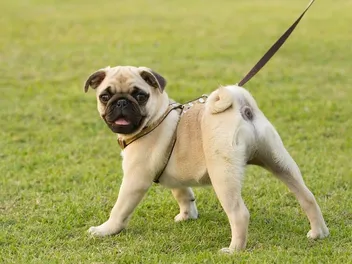
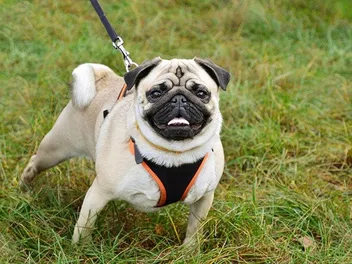
The brachycephalic face of the dog, as well as its barrel chest, means that the Pug can struggle with respiratory problems. Collars can exacerbate the problem, whereas a harness sits around the chest and spreads pressure across the chest, shoulders, and back, therefore preventing breathing problems and making life easier for both of you.
3. Ensure a Good Diet

Although they are lively, Pugs can’t be given excessive amounts of exercise. This, coupled with an insatiable appetite for treats, means that it is very easy for a Pug to put on weight and become overweight. The inability to exercise further means that once a Pug is overweight, it is very difficult to shift the pounds.
Therefore, you will need to stick to a strict diet and try to avoid giving too many high-fat, low-quality tidbits.
4. Provide Good Exercise
Gentle and regular exercise goes hand-in-hand with a good diet to ensure your Pug maintains a healthy weight and doesn’t become too fat. While your Pug won’t be winning any sprinting races, some can do very well at gentle agility, obedience classes, and will enjoy getting out for daily walks. Provide about an hour of walks a day for a healthy adult Pug if the weather permits, spread out in several shorter sessions, to ensure good physical condition and reduce any risk for overheating or exerting itself.
5. Avoid Hot Temperatures
In extreme heat, it becomes much more challenging to be able to breathe clearly, and this is especially a problem for the Pug because of its facial shape. If you do live in an area that suffers from extreme temperatures, you will need to find ways to combat and counteract these extremes so your Pug is happy and healthy. Take your Pug for a short toilet walk very early in the morning, and late in the evening, as the temperature cools down and ensure a well ventilated indoor environment with plenty of fresh water and cool mats if required.


Conclusion
The Pug is a very popular pet dog breed that is kept by owners of all ages, all around the world. Although they can seem like lazy dogs, Pugs typically sleep around 14 hours a day, which is actually quite typical for most dog breeds. It might seem more because of the excessive breathing noises that the breed makes while it is asleep.
Puppies and seniors also tend to sleep a little longer, but if you do notice that your dog is sleeping more than is typical for them, look for any other signs of illness and consult a vet to be on the safe side.
See also:
Sources
Featured Image Credit: StockSnap, Pixabay
Expert dog care, straight to your inbox
Vet-reviewed advice, training tips, and the best of Dogster. Free, and you can unsubscribe anytime.
By signing up, you agree to our Terms & Conditions and Privacy & Cookies Policy.
Nicole has loved animals of all sizes her whole life so it's no wonder she has dedicated her career to helping them through what she loves best: learning, writing, and sharing knowledge with others. She’s the proud mom of two dogs, a cat, and a human. With a degree in Education and 15+ years of writing experience, Nicole wants to help pet parents and pets around the planet to live happy, safe, and healthy lives.
Join the conversation
Ask a question, share your story, or send private feedback.