How Long Do Pomeranians Live? Vet-Verified Average Lifespan, Data & Care


In this article
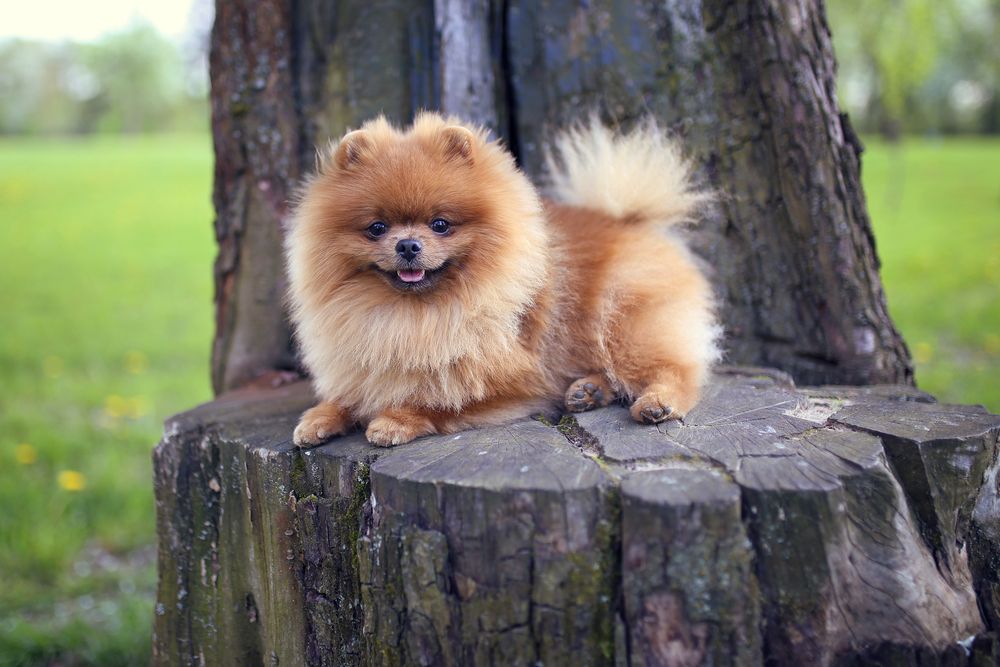
The Pomeranian is one of the most popular breeds in the world, and for good reason. They are highly intelligent and loyal and make a wonderful family pet. But they are also a big commitment. If you’re considering getting one or have had one for several years and they're showing signs of aging, you may be wondering how long these dogs live. Generally, Pomeranians live between 12 and 16 years. Keep reading to learn what affects their lifespan and what you can do to keep your Pom healthy and happy!

What’s the Average Lifespan of a Pomeranian?
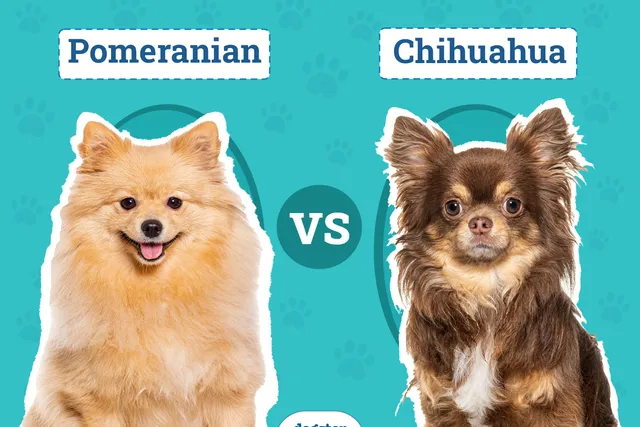
Generally speaking, a healthy Pomeranian can live anywhere from 12 to 16 years. This is in line with the average lifespan of other small dogs, such as Chihuahuas and Yorkshire Terriers, and it's a fairly long time compared to the average lifespan of other larger dog breeds, which is generally between 10 and 12 years.

Why Do Some Pomeranians Live Longer Than Others?
There are a few factors that can impact a Pomeranian’s lifespan. These include nutrition, environment and conditions, size, sex, genes, and breeding history. Let’s take a look at each of these in more detail.
1. Nutrition
Making sure your Pomeranian is fed the best quality food possible is essential for their overall health and longevity. A complete and balanced diet rich in protein, healthy fats, carbohydrates, vitamins, and minerals will help keep them strong and healthy throughout their lifespan. It’s also important to feed them the proper amount of food. Overfeeding your Pomeranian, especially when they don’t get enough exercise, can lead to obesity, which can then lead to other health conditions that can shorten a dog’s lifespan.
2. Environment and Conditions
It’s important to set up your Pomeranian in a safe environment that supports their needs. This includes providing plenty of space for exercise and play and making sure they have access to shade during the hot summer months. It also means avoiding extreme temperatures (too hot or too cold) and providing a clean, dry, and comfortable place to sleep. Dogs that live outside or in bad conditions tend to have shorter lifespans than those that live inside. The outdoors poses a greater risk of dangers and makes them more susceptible to weather extremes.

3. Living Quarters/Housing
The size of the enclosure that you provide for your Pomeranian should be large enough for them to move around comfortably and explore. It’s important to make sure the area is free from any hazards or objects that could cause injury.
4. Size
Large Pomeranians tend to live longer than small ones. A teacup version of an already small toy breed dog might look cute but make them more susceptible to developing health issues and complications. Trauma is a recurrent cause of death in Pomeranians, and the teacup versions are even more fragile than the standard size.

5. Sex
Neutered female Pomeranians tend to live slightly longer than their male counterparts, but intact female dogs have shorter lifespans. This might be attributed to the physical demands of gestation and lactation. However, no specific studies have addressed the subject.
6. Genes
The genetics of your Pom plays a large role in their lifespan. If you purchase or adopt a puppy from a reputable breeder, they should be able to provide information on their parents’ and grandparents’ lifespans so you can get an idea of what to expect with your pup. Many breeders breed their dogs to be free from most major inherited health conditions that can shorten their lifespans or greatly affect their quality of life.

7. Breeding History
It’s important to know the breeding history of your Pomeranian if you are considering buying one from a breeder. Knowing the health history of both parents and any siblings can give you insight into potential genetic problems that could arise in the future, which will help determine how long your pet may live. Ask your breeder for a Canine Health Information Center (CHIC) certification.
8. Healthcare
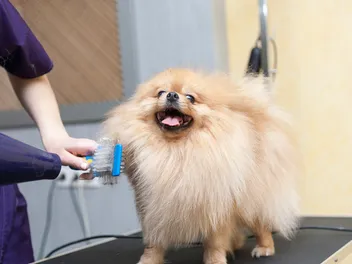
Making sure your Pom receives regular vet checkups and preventive care is essential for their long-term health and well-being. This includes vaccinations, parasite control, dental care, and grooming. Proper healthcare can help keep your pet healthy and happy for years to come. Besides making sure their teeth are regularly cleaned, you should always take your Pomeranian for an annual vet visit, even if they appear to be in good health.
9. Affection and Care
Pomeranians who live with loving owners and enjoy care and affection will outlive those who are lonely, ignored, or neglected. Your dog’s social environment and mental health will have a direct impact not only on their life quality but also their overall health.
The 4 Life Stages of a Pomeranian
1. Puppy

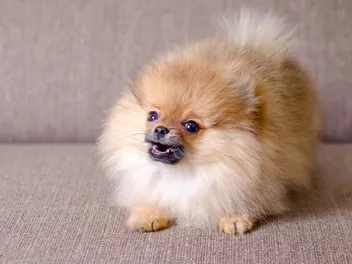
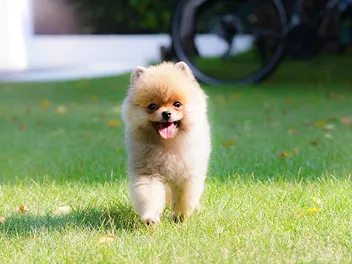
Pomeranians are considered puppies from birth until 10 months of age. During this time, their puppy coat will fall off, and their adult coat will begin to show. Some refer to this stage as “puppy-uglies,” as for some Poms, the coat transition makes them look a bit less cute than they normally are. Poms are considered young adults at 12 months.
A Pomeranian puppy will undergo a long teething phase as they first grow and lose deciduous or baby teeth until they get their adult or definitive teeth. You must ensure puppies receive all the necessary vaccinations and deworming treatments as recommended by their veterinarian. They should also start on a high-quality diet formulated for puppies from day one so they get all the nutrition they need to stay healthy and reach their full potential.
2. Young Adult

A young adult Pomeranian is between 1 and 2 years old. As your pup transitions into adulthood, their double coat will be established, and their character will settle a bi. However, they will still have lots of energy and need to maintain a healthy daily activity routine. By now, your Pom must have fully transitioned from puppy food to an adult-maintenance diet. Normally, your Pom should be fully house-trained by now.
3. Mature Adult

At this stage of life, between ages 2 and 8, your Pomeranian should receive regular checkups and preventive care as recommended by their veterinarian. It’s also important to keep up with any necessary vaccinations, parasite control, dental care, and grooming that they need.
4. Senior

As your Pomeranian enters their senior years, ages 8–9+, they may need a bit more TLC than before. This includes things like more frequent vet checkups, extra care and attention, and a diet that is appropriate for their age as their metabolism starts to slow down. Please do not change to a senior dog food without consulting your veterinarian; there is no official senior dog food standard at this life stage. Different dogs have different needs; some can stay in their adult food forever. Regular exercise can also help keep them healthy and happy, but be aware that your Pom won’t be as active as they once were and don’t need as much exercise as they did in their younger years.
How to Tell Your Pomeranian’s Age
To determine the age of your Pomeranian, look at their teeth, fur color, and size. Puppies usually have bright eyes and soft, downy fur. As they get older, their fur will become duller and less fluffy as it begins to gray from age. They may also begin to show signs of arthritis or other joint issues due to wear and tear on the body over time.
If you’re unsure how old your Pomeranian is and can’t tell their age, your vet can help you determine this by looking at their teeth. Younger dogs should have teeth that are relatively plaque-free, but older dogs will have duller or less pointed teeth.

Conclusion
With proper care and nutrition, a healthy Pomeranian can live anywhere from 12 to 16 years, depending on factors like genetics, diet, environment and conditions, size, sex, genes, and breeding history. Knowing the average lifespan of a Pomeranian and how to care for the breed at different life stages is important to ensure that you provide your pet with the best quality of life possible throughout their lifetime.
See Also:
Featured Image Credit: KristinaSh, Shutterstock
Expert dog care, straight to your inbox
News, insights, expert advice, and everything dog.

No spam — unsubscribe anytime.
By signing up, you agree to our Terms & Conditions and Privacy & Cookies Policy.
How useful was this post?
Click a star to rate. You can leave written feedback afterwards. (We read all feedback.)
Nicole has loved animals of all sizes her whole life so it's no wonder she has dedicated her career to helping them through what she loves best: learning, writing, and sharing knowledge with others. She’s the proud mom of two dogs, a cat, and a human. With a degree in Education and 15+ years of writing experience, Nicole wants to help pet parents and pets around the planet to live happy, safe, and healthy lives.