Meat Tenderizer for Dogs: Is It Healthy? Vet Approved Facts & FAQ


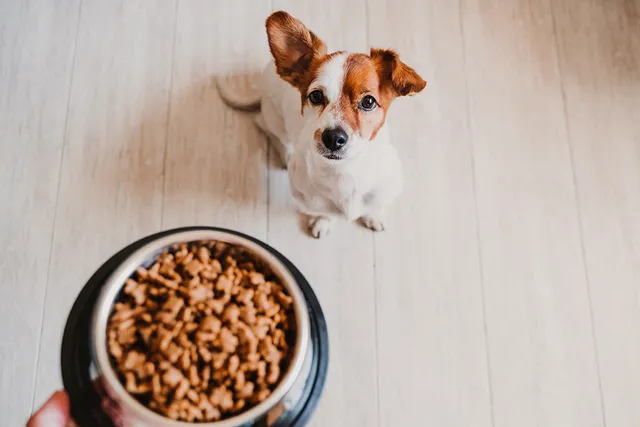
If a dog exhibits coprophagia (eating feces), you will want to find any and every way to stop it. You might get a recommendation from a vet to add meat tenderizer into your puppy's food. It’s a product that contains enzymes that are supposed to help your dog with signs.
Many dog owners may wonder before giving meat tenderizers to their furry friends if the product is completely safe and healthy. You should carefully check all the ingredients of the meat tenderizer you are buying to ensure it won’t harm your pup. Meat tenderizer is safe for dogs as long as you give it to your dog in the recommended amounts.
Check out the rest of our article to find out how meat tenderizers can affect your dog and if there are any possible health consequences.

What Is a Meat Tenderizer?
Meat tenderizer is a naturally extracted enzyme powder that typically contains enzymes from papain and bromelain. You are supposed to sprinkle meat tenderizer over your dog’s food so that it can break down the meat fibers inside.
This product comes in various tastes, and you can find meat tenderizers with and without seasonings. The seasoned varieties might taste better, but they can contain potentially harmful substances for your dog. That’s why we suggest choosing unseasoned meat tenderizers.

Ingredients Commonly Found in Unseasoned Meat Tenderizers
Most unseasoned meat tenderizers contain similar ingredients, and you can read more about them below.
Papain
Papain is extracted from papaya, and it’s used to break down proteins in the meat. It’s typically more common than bromelain, so you’ll probably notice it on the ingredient list.
Bromelain
Bromelain is another natural ingredient that breaks down the proteins in your dog’s food. It’s extracted from pineapple and can help improve digestion.
Sodium
Sodium represents the salt content inside the meat tenderizer, and it could potentially harm your pup if you exceed the recommended amount. Still, sodium from meat tenderizers is typically not high-scale, and it shouldn’t harm your pooch as long as you provide them with enough water during the day.
It typically makes dogs thirsty, so that’s why your pup will need a constant water supply. Otherwise, if your dog eats a lot of sodium but doesn’t have water, they could become dehydrated and suffer from other issues.
Like the other ingredients that meat tenderizers contain, you should discuss them with a vet to determine the daily amount that’s safe for your canine. If you don’t want to worry about whether your dog ingested too much salt or not, you can try non-salted meat tenderizers that don’t contain any sodium.

MSG
Monosodium glutamate (MSG) is an ingredient that may be present in meat tenderizers. Similar to sodium, it can make your pup thirsty, so you should provide plenty of water if the meat tenderizer you’re using for your dog contains this ingredient.
However, unlike other ingredients mentioned above, MSG has the most harmful effect on dogs if eaten in excessive amounts. It could lead to seizures and cause other problems such as:
- Vomiting
- Diarrhea
- Thirst
- Lethargy
- Lack of coordination
You should try to avoid meat tenderizers containing MSG, or at least find ones with low levels that won’t affect your pup’s health.
How Much Meat Tenderizer Should I Add to My Dog’s Food?
It may be enough to simply sprinkle a small amount of it over your puppy's food lightly. You should consult a vet, who will confirm the exact amount your pup may need. It’s best to apply a small amount of meat tenderizer to every meal your pup eats and observe its behavior. The key is to be consistent and discuss all the effects of meat tenderizer with the veterinarian.
Is Meat Tenderizer Healthy for Dogs?
Meat tenderizer is typically safe for dogs, and it should not have any side effects as long as you give it to your dog in the recommended amount. Before purchasing this product, pay attention to the ingredient list and try to find a meat tenderizer with lower sodium and MSG levels.
If you notice any strange signs that your canine might be experiencing, you should immediately take your dog to a vet to ensure everything is okay.
Some of the best brands to consider for the treatment of coprophagia in dogs are:
- Adolphs
- Coprovent
- NaturVet
- For-BID
They are supposed to have the most natural ingredients, but getting product tips directly from a vet is always helpful. If you feel that meat tenderizers might be harmful to your pup, you can turn to other natural ingredients you have in your home.


Summary
Overall, meat tenderizers are healthy for dogs, and won’t cause any harm as long as you stick to the recommended usage amount. It is best to avoid seasoned meat tenderizers and those with high amounts of salt and MSG. Always confirm with a vet your at-home coprophagia treatment!
See also: What Is Crude Fiber in Dog Food?
Sources
Featured Image Credit: Zontica, Shutterstock
Expert dog care, straight to your inbox
News, insights, expert advice, and everything dog.

No spam — unsubscribe anytime.
By signing up, you agree to our Terms & Conditions and Privacy & Cookies Policy.
How useful was this post?
Click a star to rate. You can leave written feedback afterwards. (We read all feedback.)
Nicole has loved animals of all sizes her whole life so it's no wonder she has dedicated her career to helping them through what she loves best: learning, writing, and sharing knowledge with others. She’s the proud mom of two dogs, a cat, and a human. With a degree in Education and 15+ years of writing experience, Nicole wants to help pet parents and pets around the planet to live happy, safe, and healthy lives.