IVDD in Dachshunds: Vet-Verified Signs, Causes & Care

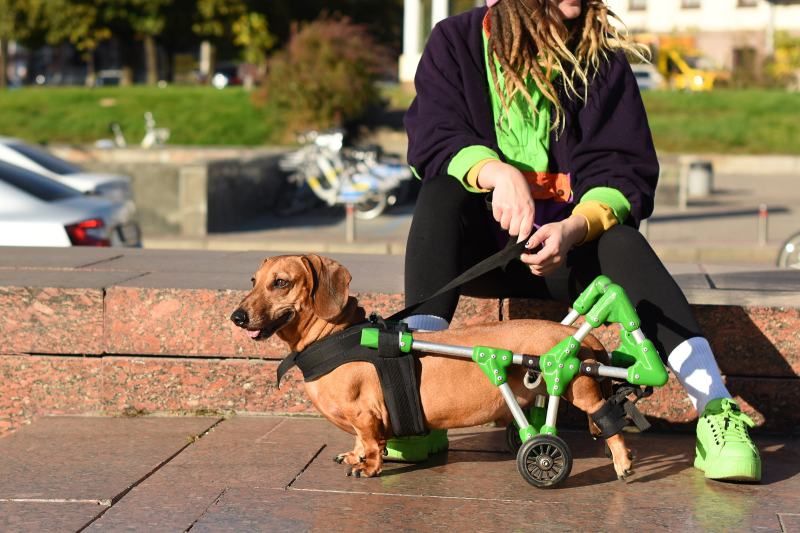
You've probably come into contact with many Dachshunds in your life because they're such popular pets. You may even own one yourself. These little dogs have long faces, short legs, long backs, and vibrant personalities. They're fearless and aren't afraid to show aggression toward other animals that are much larger than themselves. These dogs are strong at heart but have struggles of their own, as they are prone to intervertebral disc disease, or IVDD, which affects their long backs.
IVDD can occur in large, medium, and small breeds, but it's usually a slow progression that starts later in a dog’s life. However, in Dachshunds, it begins much earlier. To best prepare for a life with a Doxie, it's important to understand IVDD and how it's caused, what the signs are, and how you can best care for your dog to prevent it. Let's discuss this disease further.

What Is IVDD?
IVDD is the acronym for intervertebral disc disease1. It can affect any dog, but it is much more common in Dachshunds and other breeds with long backs and short legs. As your dog grooms themselves, plays, jumps, or runs, the spine bends to give them the flexibility and movement to do each activity.
Your dog's spine is made up of vertebrae, which are small bones that protect the spinal cord. They run from below your Dachshund's skull to their tail. Between each individual vertebra is an intervertebral disc, which acts as a cushion to prevent the vertebrae from grinding against each other. It also absorbs the impact that running, jumping, and doing other activities can place on your dog's spine.
Unfortunately, a Dachshund with IVDD will experience degeneration of one of their intervertebral discs to the point of tearing, rupturing, or bulging. This can lead to it pressing against the spinal cord, which will damage it. Every dog’s signs may look slightly different depending on where in the spine the ruptured disc is, but essentially, that problem disc will no longer be able to perform the function of absorbing pressure.

What Are the Signs of IVDD?
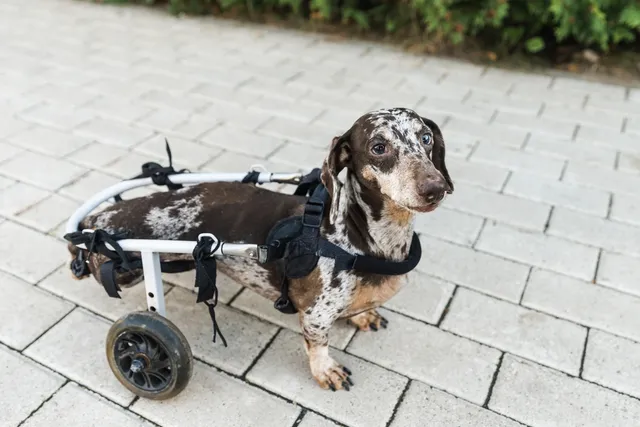
If you have a Dachshund or any dog with short legs and a long back, you should know the signs of IVDD because if this disease isn't addressed early, your dog’s chances of recovery decrease. They can suffer from a lot of pain and may end up with permanent damage, such as paralysis. Dogs that have experienced trauma to their backs can also have a type of IVDD.
Here are signs that your Dachshund may have this disease:
Your dog may display different signs depending on where the problematic intervertebral disc is and which nerves are affected. The deterioration of the disc(s) usually happens gradually, and the dog will show signs of pain by slowly becoming less active. Owners often miss the initial signs, as they aren't dramatic or alarming. However, it can also happen suddenly, with a seemingly healthy, active Dachshund becoming paralyzed within the same day.
If you notice any of these issues with your dog, call to schedule an appointment with your veterinarian to discuss your options.
What Are the Causes of IVDD?
IVDD is common among Dachshunds. Many people want to know what causes this disease in this breed in an effort to prevent it and ensure their dog has the best quality of life. However, there is more than one type of IVDD, and sadly, this disease can affect any dog, regardless of breed or age.

Hansen Type 1 IVDD
Hansen Type 1 is the type of IVDD most commonly seen in Dachshunds. Its cause is somewhat due to genetics but not entirely, as other breeds can also suffer from this type. However, it mostly affects dogs with short legs and long backs, and pain and damage can occur suddenly.
Hansen Type 1 occurs when the normally gelatinous center of the nucleus of the intervertebral disc degenerates; over time, it becomes harder and loses its function. The nucleus extrudes or herniates through the outer ring and presses on the spinal cord. The speed at which this occurs and the amount of material herniated affects the severity of the injury and the signs your dog will display.
Handen Type 2
Hansen Type 2 involves the progressive bulging of the outer ring of the intervertebral disc, causing gradual signs. It may or may not be painful, and it is more common in middle-aged to older large dogs like Dobermans or German Shepherds.

How Do I Care for a Dachshund With IVDD?
As soon as you notice any of the signs of IVDD, it's imperative that you take action. If your Dachshund is showing signs of neck or back pain, weakness, knuckling, or not being able to walk, you should take them to the emergency clinic as soon as possible. The faster your Dachshund can receive the appropriate care, the better their chances will be of recovery.
Your vet will do physical and neurological exams of your dog upon arrival, and then they may want X-rays of the spine or request an MRI or CT scan. Depending on how severe the damage is or where it's located, your dog may receive medication and forced rest or require surgery.
Medication and Rest
The medication and rest are necessary to ease the inflammation and relax the muscles. It will be necessary that your dog has cage rest.
Your dog will need to be confined to their cage for at least 3 weeks. Some dogs stay in the hospital, and others can be looked after at home. You will need to give them their medication throughout the day and follow your vet’s guidance. Your dog may cry to be released from the cage, but allowing them freedom will stop their healing and cause further damage. You will need to carry them or slowly walk them outside to pee and poop, but they must be returned to their cage straight after.

Surgery
In more serious situations, surgery is necessary to take the pressure off your dog's spinal cord. It could enable them to walk once again and have relief from the pain, but this isn't guaranteed. Surgery is usually recommended when the signs are severe because it increases the chances of success.
Your dog will need to stay in the hospital after the surgery for monitoring and until they regain bladder and bowel control. You will be encouraged to visit your dog at the hospital to encourage them to walk, but physical therapy is usually necessary after surgery.
Once your Dachshund is back home, you need to follow your surgeon's recommendations with regard to exercise and rest. Protecting your dog’s spine from further impact is essential. Feeding your dog the portion sizes your vet recommends to keep them at a healthy weight is also a part of how to care for a Dachshund with IVDD.
Frequently Asked Questions
Can a Dachshund Need More Than One IVDD Surgery?
Unfortunately, a Dachshund isn't out of danger after surgery, as a slipped disc can occur in another area of the spine. However, they may not require surgery once again, and strict cage rest and medication may be recommended.
Can This Disease Be Prevented?
You cannot fully prevent IVDD in your Dachshund, but you can take certain actions to look after their back health. Keeping their weight under control through exercise and correctly portioned meals according to their life stage will help. Train your Dachshund to walk next to you when on their leash to reduce pressure on their neck and spine, and use a harness instead of a leash when required. To prevent high-impact activities and the risk of falling, train your Dachshund not to jump up onto your bed or furniture, and install ramps instead.
Conclusion
IVDD is a disease that commonly affects Dachshunds and other dogs with short legs and long backs. However, it isn't unique to these breeds and can affect larger dogs too. There are two types of IVDD, with one causing sudden pain and damage and the other causing problems over a longer period.
Depending on the severity of the pain and damage, your Dachshund may require strict cage rest and medication or surgery. Unfortunately, even surgery doesn't guarantee the prevention of another slipped disc in the future, but reducing high-impact activity is a way to lower your dog's risk.
See also:
Sources
Featured Image Credit: TetiBond, Shutterstock
Expert dog care, straight to your inbox
Vet-reviewed advice, training tips, and the best of Dogster. Free, and you can unsubscribe anytime.
By signing up, you agree to our Terms & Conditions and Privacy & Cookies Policy.
Keri-Beth is a freelance writer from South African who specializes in animals. She has grown up with a range of pets, volunteered at many shelters, and is highly passionate about pet care. Currently, Keri-Beth is raising two dogs - Benji, the Golden Cocker Spaniel, and Gracie, the Boerboel. With so much information out there, Keri-Beth has made it her questo to make pet care as easy and straightforward as possible for any pet parent in the world.
In her spare time, Keri-Beth enjoys photography, camping, and spending time with her husband, who is a professional drummer.
Join the conversation
Ask a question, share your story, or send private feedback.