How to Prevent Corgi Back Problems: 8 Vet-Reviewed Tips



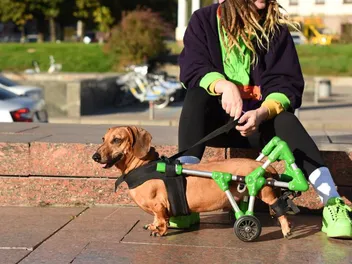
Corgis are extremely cute dogs, and part of their visual appeal is their longer bodies. But while their long bodies help them look super cute, it is also a notorious cause for back problems. Besides disc disease, Corgis may also suffer from degenerative myelopathy, leading to loss of mobility and feelings in the limbs.1 While there is no treatment for this illness, other causes for mobility issues such as back injuries and intervertebral disc disease can be managed and in some cases, their likelihood is reduced.
With that in mind, what can you do to reduce the likelihood of back problems developing with your Corgi? While there’s no 100% effective method, the eight tips we’ve highlighted here will go a long way in reducing the risk of your Corgi developing future back problems.

How to Prevent Corgi Back Problems
1. Avoid Slippery Surfaces
While you likely won’t be able to keep your corgi away from every slippery surface they’ll ever come across, if you have common slippery surfaces in your home, you should put something down to help your corgi get some traction in those areas.
If you notice a slippery area your Corgi can’t avoid, try picking them up to get them over the area whenever possible. While your Corgi should be able to make it through the problem areas most times without any problems, all it takes is one bad fall to cause an injury. Slow them down using a harness and a lead, as running across such surfaces increases the likelihood of injuries.

2. Manage Their Weight
Because of their unique shape corgis often feel a little extra weight more than most other breeds. And unfortunately, the area that feels the brunt of this weight with a Corgi is the back and spine.
A few extra pounds might not seem like much, but it puts a lot more pressure on their backs day after day. Keeping your Corgi at a healthy weight is one of the most important things you can do to help prevent future back problems.
3. Keep Them From Jumping
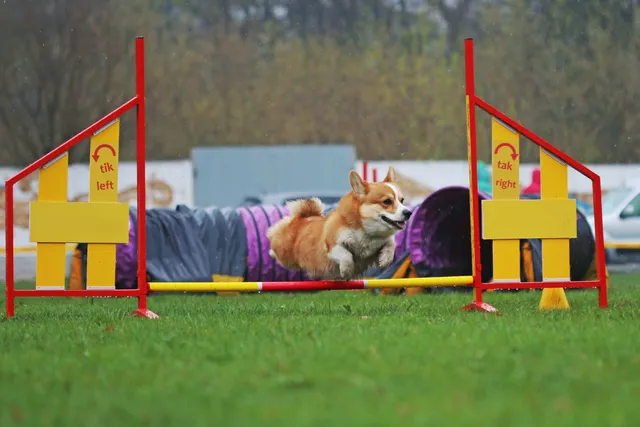
This is the most challenging bit of advice to accomplish with your Corgi. Dogs love to jump, but jumping is extremely rough on their back and spine. If you can train your Corgi early on to avoid jumping, it will go a long way in helping avoid back problems with your Corgi.
If your Corgi is already jumping a lot, we still recommend doing whatever you can to get them to stop jumping as much. Introduce ramps wherever you can and use pillows to make it easier for them to get up on the sofa or other elevated surfaces.

4. Don’t Play Tug-of-War
Who doesn’t love a game of tug-of-war with their dog? But while it’s a fun game for you and your dog to play together, it puts a lot of stress on their neck, back, and spine. The pulling and twisting motion is part of how they play, but it all pulls and stretches their neck and back.
If you’re looking for other ways to play with your Corgi, try teaching them to fetch, giving them squeaky toys, or taking them out for a few more walks.
5. Watch for Small Injuries
Most serious spinal injuries with a Corgi start with something small. But if you can catch the small injuries, you can treat them early on and reduce the risk of them progressing to something more serious.
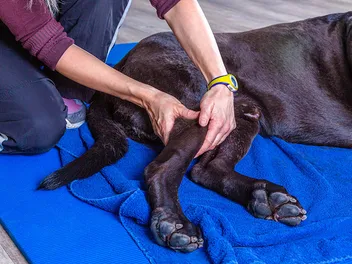
If you notice your Corgi is experiencing back pain, limping, or a stiff gait, reach out to a vet as soon as possible for further advice. They will recommend strict rest and pain management to help them with their injury.
6. Exercise Gently with Them
Just like daily exercise helps with preventing injuries, it goes a long way for your Corgi, too! Gentle daily exercise will help them build up the necessary muscles to support their back, and it’ll help keep them at a healthy weight.
Aim for at least two 30-minute walks a day with your Corgi each day and give them plenty of time to run around a dog park or a yard.
7. Use a Good Harness
For a long time, people almost exclusively used collars when walking their dogs. But collars put all the pressure on your dog’s neck when they’re not doing what they should. Harnesses spread this pressure around to the dog’s shoulder and back.
This is a better solution than a collar around their neck, but you want to invest in a quality harness that fits your Corgi to equally spread the weight out. A lower-quality harness risks spreading that weight heavily to the Corgi’s back which can create problems.

8. Use Caution When Lifting Them
When your dog is doing something undesirable or you just want to bond with them, it can be tempting to reach down and scoop them up. But while there’s nothing inherently wrong with picking up your Corgi, you want to do whatever you can to keep their back straight when picking them up, and never turn them upside down.
Otherwise, you’re putting extra stress on their back, and you can end up injuring them without meaning to. Take your time when picking them up and give their back all the support it needs.
In Conclusion
Part of being a responsible pet owner is taking the necessary steps to help reduce the risk of your pet developing health issues or injuries. The more of these tips you can follow, the less likely it is for your Corgi to develop back problems, leading to lower vet bills for you and a happier and more comfortable Corgi for years to come!
See Also:
Featured Image Credit: MolnarSzabolcsErdely, Pixabay
Expert dog care, straight to your inbox
News, insights, expert advice, and everything dog.

No spam — unsubscribe anytime.
By signing up, you agree to our Terms & Conditions and Privacy & Cookies Policy.
How useful was this post?
Click a star to rate. You can leave written feedback afterwards. (We read all feedback.)
Nicole has loved animals of all sizes her whole life so it's no wonder she has dedicated her career to helping them through what she loves best: learning, writing, and sharing knowledge with others. She’s the proud mom of two dogs, a cat, and a human. With a degree in Education and 15+ years of writing experience, Nicole wants to help pet parents and pets around the planet to live happy, safe, and healthy lives.