Is Vinegar Safe for Dogs When Used for Cleaning? Vet-Verified Facts & Benefits


Keeping the house clean is an ongoing task when you’re an adult. But when you also own a dog, you know how much more cleaning is required.
If you want to use something that’s environmentally friendly and safe for your dog, you may be wondering about vinegar. Is it safe to use around dogs?
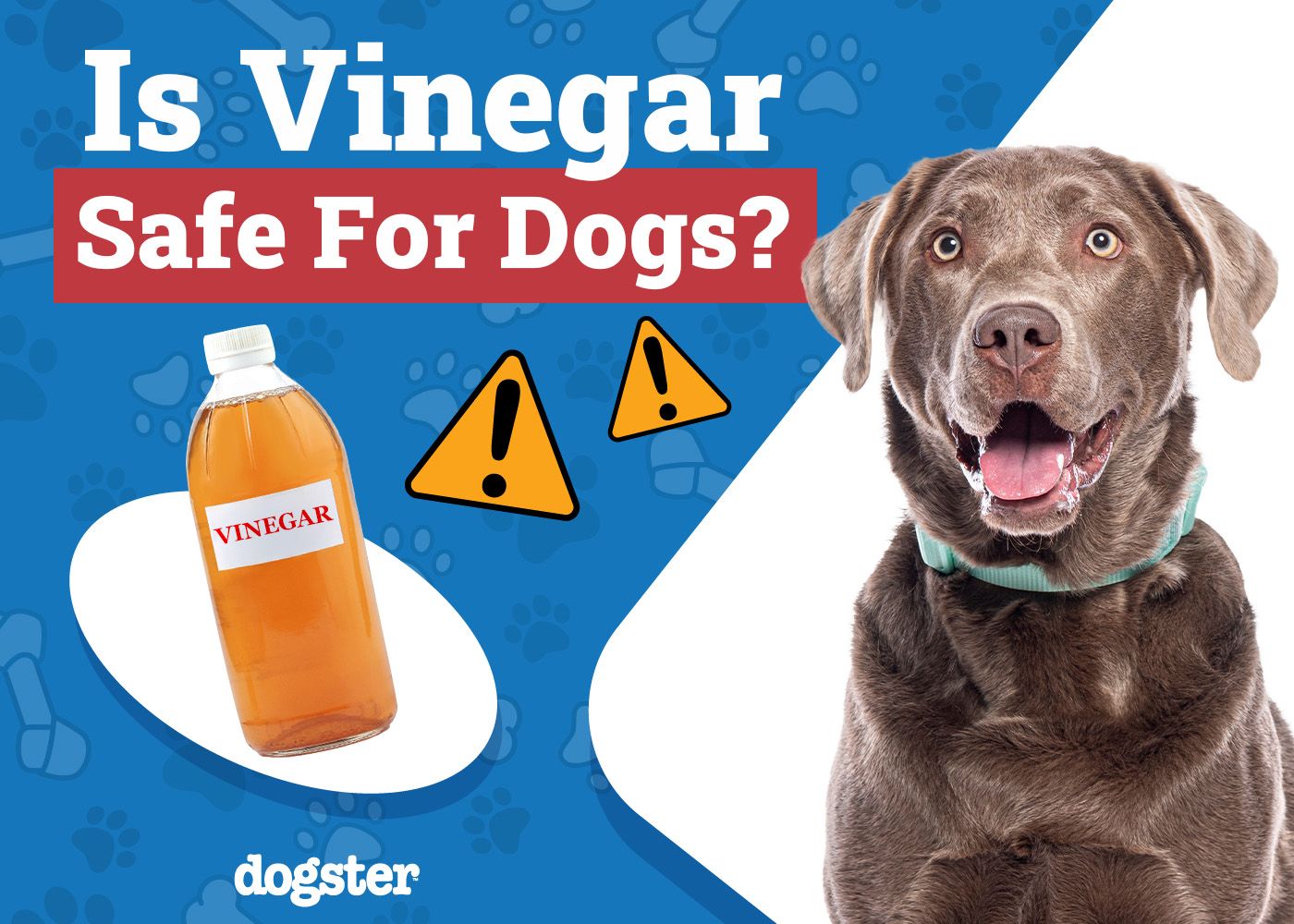
Vinegar is safe for cleaning your home when you own a dog but it is important to know its limitations and what it can be used for. Let’s look at vinegar, how it can help keep your home clean, and how it can benefit your dog.

Can You Use Vinegar for Cleaning Around Dogs?
When you use vinegar to clean your home, it needs to be diluted with water at a ratio of 1:1. It is perfectly safe for use around dogs although you might find they wander away from the smell. Vinegaracts as a natural cleaning product and can help remove stains and odors caused by pets. However, it is important to note that while vinegar can remove some dirt and kill some bacteria, it doesn’t kill all germs.
While vinegar is generally safe around dogs, you don’t want them ingesting too much. Vinegar is highly acidic, so dogs with sensitive stomachs or other conditions might experience gastrointestinal upset. This might involve vomiting, diarrhea, and loss of appetite. Still, it’s not likely that many dogs would want to lap up a large amount of undiluted vinegar!
Besides the potential for an upset tummy, vinegar is generally safe. Just try to keep it away from dogs with easily irritated stomachs or those who you know will attempt to eat anything they can get at!

What Can You Use Vinegar For?
Vinegar is known to make a great cleaner for windows, counters, and other surfaces. For pets, it has several other uses.
1. Cleaning Dog Messes
If your dog urinates or defecates on a carpet, vinegar combined with baking soda makes for an effective cleaner. The vinegar should be diluted with water. It can be white distilled or apple cider vinegar (most people tend to opt for the distilled white for cleaning).
Combine equal parts vinegar and water in a spray bottle, and the vinegar will effectively clean the mess. However, it’s not recommended to use vinegar on wood floors or natural surfaces like granite, marble, or stone countertops.
Vinegar can cause rubber to perish so it’s not recommended to use it in the washing machine, but you can use it to hand wash your dog’s bed/bedding and food and water bowls.
Remember that vinegar doesn’t kill bacteria as effectively as designated disinfectants, but as long as you are cleaning and not aiming to disinfect the area, it is a useful and eco-friendly product to use.

2. Neutralizing Stinky Odors
Whether using vinegar to clean a mess or neutralize doggy odor, spraying your carpet or your dog’s bedding can help neutralize the smell.
You should first test your vinegar solution on an area of fabric or carpet that no one usually sees, in case it causes discoloration. The vinegar scent will evaporate and should remove any unpleasant odors.
3. Cleaning Your Dog’s Ears
Many people say that apple cider vinegar, diluted with water, is a good ear cleaner. However, there’s no scientific research behind this and we wouldn’t advise putting anything into your animal’s ear without a veterinary examination and advice. If your dog has irritated or inflamed ears, vinegar, even diluted down, will sting and may do more harm than good.
4. Aiding With Digestion
Anecdotally, some dogs with poor digestion might have a higher than normal pH level in their stomachs. Adding vinegar to their food is said to help lower it although there is no reliable research showing this to be true.
5. Helping With Itchy Skin
When unfiltered, ACV contains proteins, enzymes, and good bacteria. This is why organic ACV looks cloudy. Those that are looking for alternative ways to help their itchy dogs can try combining equal parts water and ACV, and spraying your dog’s skin, or soaking your dog’s feet. However, if the skin is irritated or traumatized, the vinegar will sting, making the problem worse. It is always advisable to speak to a vet before attempting any home remedies.
6. Aiding Urinary Tract Infections
Again, this is an anecdotal claim, but some people report success in the reduction of symptoms of urinary tract infections with the use of apple cider vinegar. However, if you notice your dog is showing signs of a urinary tract problem (frequent urination, passing small amounts of urine each time, blood in the urine, pain on urination), it is absolutely essential that you take them to a vet for a correct diagnosis. Urinary tract infections can be simple or more serious and quick diagnosis is important. You should bring a urine sample to the vet and follow their guidance on treating the issue. Ask them if adding a tiny amount of organic ACV to your dog’s food or water can help, particularly if your dog is prone to UTIs.
7. Repelling Fleas and Ticks
Bear in mind that this is not a treatment for fleas or ticks. If your dog has either, they will still need veterinary assistance.
You can spray your dog with a 50/50 water and vinegar solution to help keep fleas and ticks from making your dog their home. But this is not an elimination guarantee.


Frequently Asked Questions
Does Vinegar Disinfect Surfaces?
The high acidity of vinegar does give it disinfectant qualities, and the more acidic it is, the more it can act as a disinfectant.
But vinegar doesn’t disinfect as well as diluted bleach, isopropyl alcohol, or commercial disinfectants. If you need to use a strong disinfectant, you shouldn’t rely on vinegar.
Are There Other Safe DIY Household Cleaners?
Beyond vinegar, baking soda, lemon juice, and hydrogen peroxide can all work quite well at cleaning and are safe around dogs.
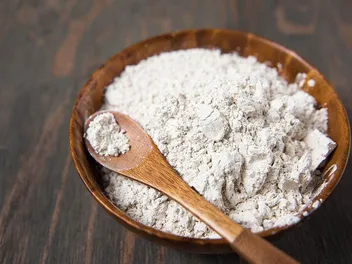
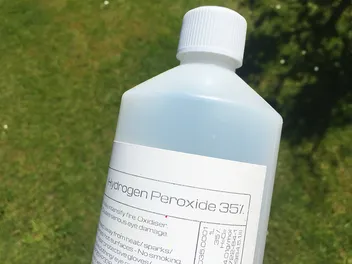
Baking soda is known for its ability to absorb and neutralize bad odors. It also has abrasive qualities and can be used for scrubbing. Lemon juice isn’t quite as acidic as vinegar but is a good antibacterial and antifungal agent. Hydrogen peroxide has antifungal and antiseptic qualities.
When you combine vinegar with one of these agents, you’ll have an even more effective cleaner that is safe to use around dogs. But you don’t want them ingesting any of them.
What Are Harmful Household Cleaners?
Household cleaners that contain ammonia include furniture polish, glass cleaners, bathroom cleaners, and drain cleaners. Inhaling or ingesting ammonia can lead to damage to the eyes, stomach, and respiratory system.
Bleach can damage the skin, fur and respiratory system when the pet comes in contact with or inhales it.
Finally, many carpet cleaners contain glycol ethers, which can cause reproductive and developmental problems in dogs.

Conclusion
Vinegar is quite a handy item: Many people use it for seasoning food and cleaning parts of the house. It’s also safe to use around pets.
It’s important to note that vinegar isn’t a cure-all and should never be used to treat any health conditions that affect your dog. Always speak to a vet before you consider treating your dog with anything that they haven’t approved.
Don’t allow your dog to ingest any vinegar if they have a sensitive stomach. That said, if you’re looking for an environmentally friendly cleaning item, vinegar is a safe bet!
See also:
Sources
Featured Image Credit: Geo-grafika | Getty Images.
Expert dog care, straight to your inbox
News, insights, expert advice, and everything dog.

No spam — unsubscribe anytime.
By signing up, you agree to our Terms & Conditions and Privacy & Cookies Policy.
How useful was this post?
Click a star to rate. You can leave written feedback afterwards. (We read all feedback.)
Kathryn was a librarian in a previous lifetime and is currently a writer about all things pets. When she was a kid, she hoped to work in a zoo or with wildlife in some way, thanks to her love for animals. Unfortunately, she's not strong in the sciences, so she fills her days with researching and writing about all kinds of animals and spends time playing with her adorable but terribly naughty tabby cat, Bella. Kathryn is hoping to add to her family in the near future – maybe another cat or two and a dog.