Does Chlorine Kill Fleas? Vet Reviewed Effectiveness & Safety Tips


In this article
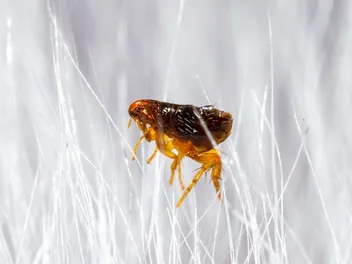
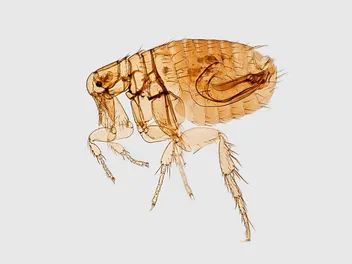
Fleas are one of the downsides to owning a pet. The tiny bloodsuckers show up on your beloved animal, and then you find them everywhere in your home, including on you! Killing fleas can be challenging since they reproduce quickly, and the eggs can stay dormant for several months. Several flea control products are available, but some of them are not safe to use around your pets.
So, you might consider taking a more straightforward approach to ridding your home of fleas rather than trying commercial flea control products. But what works best? Does chlorine kill fleas? The answer is yes, chlorine can kill fleas, but it’s not an option we would recommend as it can be easily used incorrectly.

Chlorine & Pets

The first thing to know about killing fleas is that you need to kill fleas at every life cycle stage. If you only kill the adults, the eggs will hatch, and the larvae will develop to take their place. Similarly, if you only kill the eggs, there will still be adults around to reproduce. So, if you want to get rid of fleas, you must also stop the reproductive cycle.
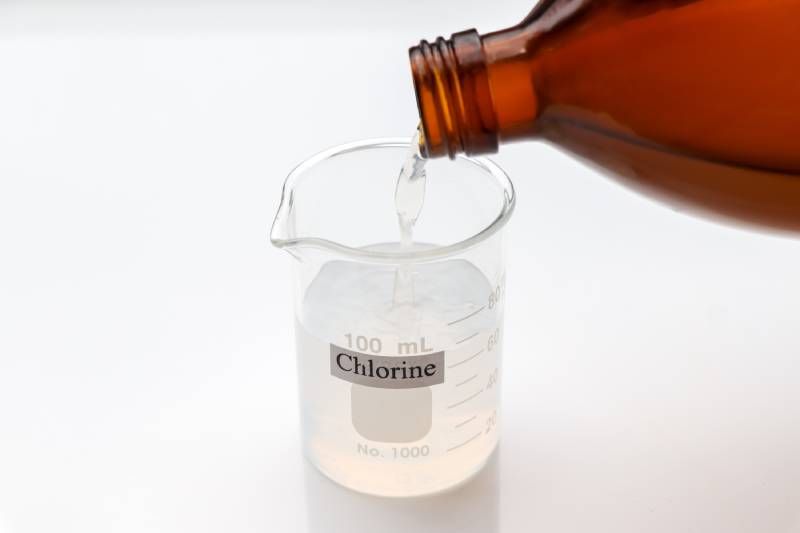
Chlorine is a disinfectant found in everything from bleach to the water in swimming pools. While it can undoubtedly kill adult fleas and eggs when used at specific concentrations, it won’t completely eradicate flea larvae and pupa. Chlorine can come in handy when cleaning countertops or other hard surfaces in the home or washing clothing, bedding, and pet beds.
But it cannot be used on your pets. Chlorine is extremely toxic in concentrated form and still highly irritant in diluted form if it gets on the skin, in the eyes, or is consumed. For example, the concentration in swimming pools is between 1 and 3 parts per million or 0.0001%-0.0003%. Even the fumes from chlorine could irritate your pet’s eyes and skin, so you never want to use it directly on or near your pet. Instead of using chlorine, talk to your vet about the best flea treatment for them.
How to Effectively Use Chlorine to Kill Fleas
If you want to incorporate chlorine into your flea-killing strategy, these tips will help.
- When working with concentrated chlorine, ensure you are outside or in a well-ventilated area. Wear gloves to protect your hands, a mask to cover your mouth and nose, and glasses or goggles to protect your eyes.
- Dilute chlorine with water according to the manufacturer's instructions before using it to reduce the risk of toxic fumes or damage to surfaces, skin, or clothing.
- You can use a diluted chlorine mixture to wash clothing and pet bedding and wipe hard surfaces in your home. Do not use it on wooden surfaces since the chlorine will leave stains.
- When using chlorine, remove animals and children from the home and ensure your home is properly ventilated (open doors and windows). Also, remember to wear protective equipment like rubber gloves and clothing that thoroughly covers your skin while using this chemical.
- NEVER mix chlorine with other chemicals! Combining it with other cleaning products can produce poisonous fumes.
Chlorine is an effective disinfectant, but as you can see, it's hazardous to you, your pets, and your belongings if not used correctly.
How to Kill Fleas in Your Home Without Chlorine
If you’ve spoken with your vet about getting them treated, it’s time to remove the fleas, eggs, pupa, or larvae remaining in your home. You can treat your home without chlorine and without risking your pet’s health. Here’s what the CDC recommends for the removal of fleas:
- Clean everything fleas might have come in contact with, such as surfaces, bedding, clothing, your pet’s crate, pet toys, carpets, etc. This will involve vacuuming, sweeping, and mopping your entire home. When cleaning clothes and bedding in the washing machine, use the hottest cycle to kill the fleas.
- Treat your home with a flea control product.
- Continue regular cleaning and vacuuming for at least two more weeks to ensure all traces of fleas are gone.

Prevent Fleas Before They Start
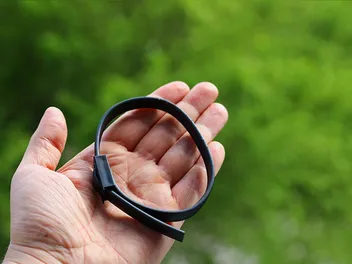
Of course, you can prevent fleas from taking over your pet and home with preventative medications. There are plenty of flea prevention products for your pet, and your vet can recommend or prescribe the ideal treatment. They will help you decide whether a flea collar, topical medication, oral medication, or other form of prevention is best.
You can also use natural methods of preventing fleas in your home, including baking soda, cedar, apple cider vinegar, diatomaceous earth, and more. However, before you use any natural method, you need to check to ensure it isn’t toxic to your pup. There are several items you would think would be perfectly safe for our pets that aren’t, so be careful! Natural methods rarely treat all stages of the flea life cycle, so be prepared for a long battle.
Conclusion
While chlorine, in some concentrations, can eradicate adult fleas and flea eggs, it doesn’t attack fleas at all life stages. It is also not the safest product to use in and around the home, so we recommend using some of the alternatives discussed above.
Chlorine is a powerful cleaner and disinfectant, but it won't eliminate a flea infestation. Your veterinarian can help you protect your dog from fleas and keep them from invading your home.
See also:
Featured Image Credit: chemical industry, Shutterstock
Expert dog care, straight to your inbox
News, insights, expert advice, and everything dog.

No spam — unsubscribe anytime.
By signing up, you agree to our Terms & Conditions and Privacy & Cookies Policy.
How useful was this post?
Click a star to rate. You can leave written feedback afterwards. (We read all feedback.)
Misty Layne lives out in the woods in small-town Alabama with her two Siamese - Serafina & Jasper. She also has an array of stray cats, raccoons, and opossums who like to call her front porch home. When she’s not writing about animals, you’ll find her writing poetry, stories, and film reviews (the animals are, by far, her favorite writing topic, though!). In her free time, Misty enjoys chilling with her cats, playing piano, watching indie and foreign films, photographing abandoned places, and catching up on her never-ending TBR list.