Canine Nasal Mites in Dogs: Signs, Causes & Treatment


In this article
So, your dog has been sneezing and acting weird, and you’re looking for some answers. Canine nasal mites have been reported worldwide, so that could be your answer.
There’s no specific breed, age, or sex that the mites tend to target. There are a couple of research papers that claim there could be a possible preference for younger and smaller dogs, but this remains unknown as they aren’t fully confirmed.

What Are Canine Nasal Mites?
Canine nasal mites are a kind of mite that lives in the canine’s nasal passages. They are also located in the sinuses. There is only one kind of nasal mite, the Pneumonyssoides caninum. These mites feed on the keratin of the epidermis within your dog’s nasal cavity and sinuses. All stages of the nasal mites are found within the nasal passage and sinuses. There are four known stages. The egg, larvae, nymph, and adult. These mites are just barely visible to the naked eye, only about 1–1.5 millimeters long.
Nasal mites breed quite a bit and are known for spreading between dogs very quickly. These mites, however, cannot be transmitted to humans. Nasal mites are fairly common, so many veterinarians will be able to treat them. These parasites can live for up to 19 days without a host, making them spread very easily from canine to canine.
What Are the Signs of Canine Nasal Mites?
The signs of canine nasal mites are very common in many other infections, parasites, and diseases that dogs can get. It’s important to go to the vet to confirm that this is what is going on when you discover your dog is experiencing any of the following signs.
Sneezing and Nasal Discharge
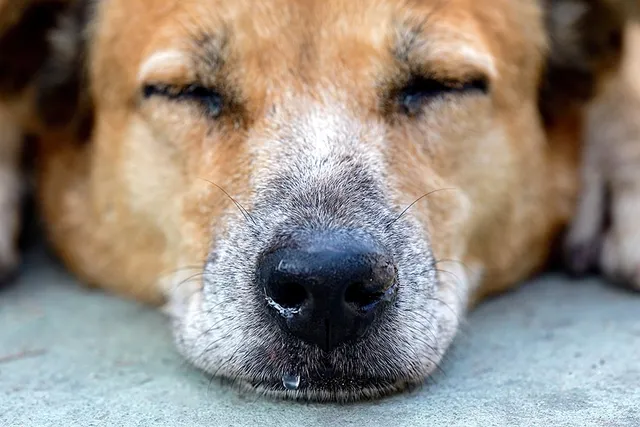
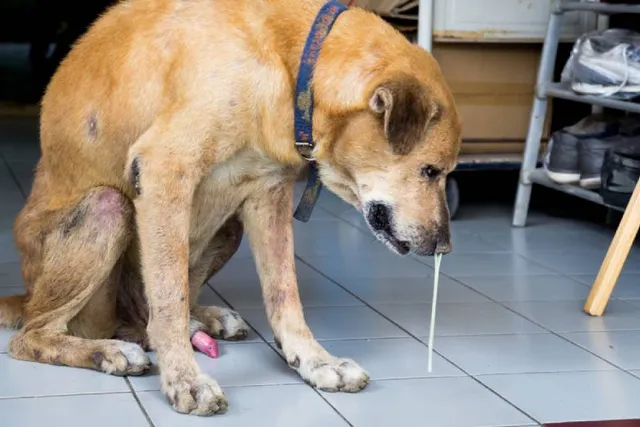
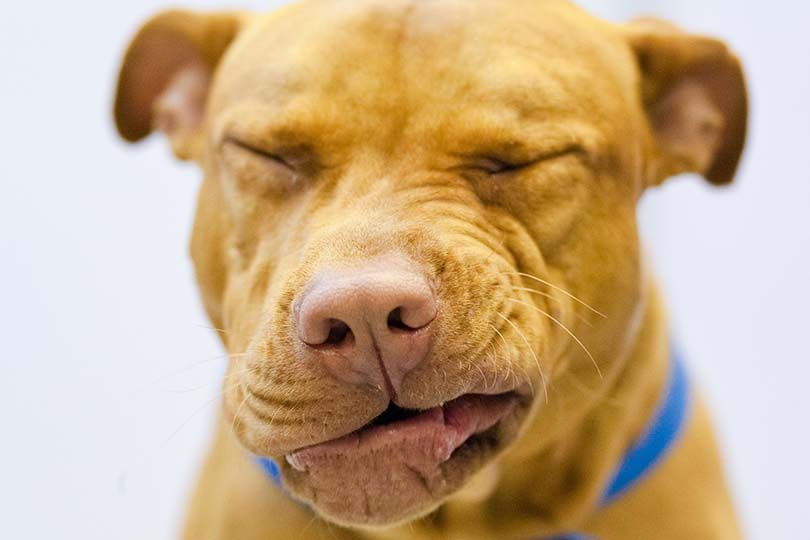
These signs are the most common in dogs with nasal mites. As the mites feed and move around, your dog is likely to sneeze and shake their head. Bleeding from the nose is also possible, though it’s a bit more severe than just sneezing. An impaired sense of smell is common due to the mites blocking the nasal cavity, creating a build-up of mucus, and also causing other signs of nasal discharge.

Difficulty Breathing
This sign is more severe than the others, showing that the mites have moved from the nasal cavity and sinuses to the respiratory system. Coughing and noisy breathing also show a more severe infection of nasal mites. Restlessness can also occur, as your dog is constantly agitated by the mites in their nasal cavity.
What Are the Causes of Canine Nasal Mites?
Nasal mites are spread from dog to dog. This can be directly or indirectly, from one dog to another. Nasal mites are extremely contagious, being the most mobile in the larvae stage of their development. Sometimes, mites are found on the outside of the nose, making them able to travel easier and quicker through nose-to-nose contact or sharing water or food bowls.
Dog-to-dog contact is the primary cause. They tend to latch onto the noses of other dogs through direct contact. They can also be transmitted through indirect contact, such as sharing the same area. There’s also the possibility of them being shared via other parasites, such as fleas or ticks.
These mites can survive without a host for up to 19 days, allowing them to transmit to another host within that time period. This makes them very transmittable and easy to spread. If your dog is around other dogs often, like at a dog park or daycare, you need to be careful and always look for the signs of canine nasal mites in case your dog catches them.
There are no primary breeds, sizes, or sexes that the nasal mites prefer; they all search for canine hosts equally.
How Do I Care for Dogs with Canine Nasal Mites?
First, if you notice any signs that your dog may have canine nasal mites, immediately take them to the vet. Only the vet can help with nasal mites; there are no home remedies that may help. When at the vet, the veterinarian will inspect your dog’s nose with an endoscope and look for any signs of canine nasal mites, such as the mites themselves or any damage done to the nasal canal. Dental X-rays, sinus and nasal X-rays, and CT scans are all possible for the veterinarian to find the nasal mites.
Nasal mites are primarily treated with different kinds of medicine, but no specific medicine is great at getting rid of all the signs of canine nasal mites. Selamectin, a topical parasiticide (kills parasites) and antihelminthic (an anti-parasite drug), is usually used to prevent heartworm, fleas, ticks, and other parasites. It can also prevent canine nasal mites, as it easily kills parasites.
Ivermectin is also used to get rid of canine nasal mites. It can be given orally or in an injection. It was created with internal parasites in mind and does its job well. Carefully following the instructions provided by the veterinarian is very important to ensure that nothing goes wrong. Overdosing with this medication even a tiny bit can be fatal, so please be careful and follow the instructions closely.
The best way to get your dog over the canine nasal mites quickly is to follow the instructions given by the veterinarian closely and to continue the treatment as long as they say. It’s very important to follow the instructions to prevent overdose or other medical problems related to nasal mites. You also must be careful and quarantine your infected dog away from other dogs to keep the spread of the nasal mites to a minimum.

Frequently Asked Questions
Can Humans Get Canine Nasal Mites?
Luckily, canine nasal mites are only spread between dogs and a species of fox. These mites cannot survive on a human host, and you should not have to worry about them spreading to any humans living around them. The only spread you have to worry about is if there are other dogs in the home or around the infected dog.
Do Nasal Mites Go Away on Their Own?
Nasal mites are thought of as the common cold for dogs. They are very common and are easy to treat. Some parasitic infections will go away on their own, but it’s still recommended to go to the vet if they have extreme signs such as difficulty breathing. Not every case is problematic, though, so if you catch the infection early, it shouldn’t be much of a problem unless it gets worse.
What Happens if Mites Go Untreated?
If untreated, nasal mites can cause bacterial infections, extreme difficulty breathing, and even cause them to stop breathing if they get worse. Dogs cannot breathe properly out of their mouth while asleep, so you must treat nasal mites if they get bad enough to prevent breathing while asleep. You must go to the vet if the nasal mites do not go away quickly. They can get much worse.
Conclusion
Nasal mites are common but can be dangerous. If your dog shows any of the signs listed above, especially the worse signs such as difficulty breathing, you need to take them to the vet. Difficulty breathing can point toward nasal mites and signify a more serious infection or disease.
Some nasal mite infections may go away on their own, but you must take your dog to the vet if they get worse.
Related Reads:
Featured Image Credit: memorable9, Pixabay
Expert dog care, straight to your inbox
News, insights, expert advice, and everything dog.

No spam — unsubscribe anytime.
By signing up, you agree to our Terms & Conditions and Privacy & Cookies Policy.
How useful was this post?
Click a star to rate. You can leave written feedback afterwards. (We read all feedback.)
Kristin loves to help pet parents create a fulfilling life for their pets by informing them on the latest scientific discoveries and helping them choose the best products for their pets. She currently resides in Tennessee with three cats, four dogs, two fish, and a lizard, though she has dreams of owning chickens one day!