Can a Dog Recover from Parvo? Vet Approved Signs, Treatment & Prevention


In this article
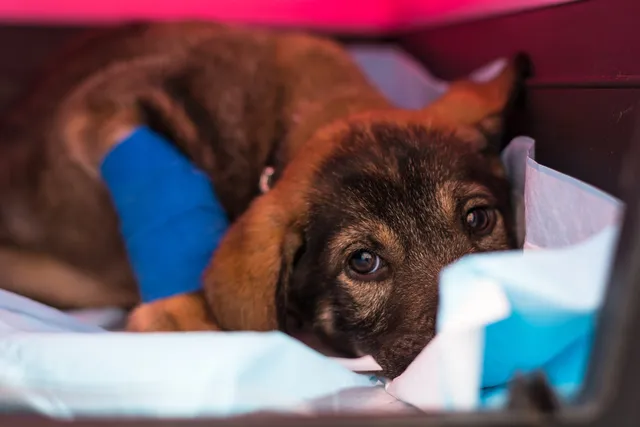
A parvo diagnosis in dogs is a serious matter. Parvo is a relatively common disease, but depending on your dog’s age, it could have serious, even fatal consequences. Luckily, a dog will typically recover well if treated quickly. So, anyone with dogs should be vigilantly aware of the signs and symptoms of parvo so they can act quickly to save the dog’s life.

What Is Parvo in Dogs?
Parvo is short for “Parvovirus” and it’s an infection of the stomach and small intestine. According to the Merck Veterinary Manual, the virus prefers to infect the small intestine. It will destroy the cells in the small intestine, impairing nutrient absorption and disrupting the delicate biological balance of the gut microbiome.
When contracted by puppies, elderly dogs, or immunocompromised dogs, the symptoms tend to be more severe, and there’s a greater risk of death. Often in at-risk groups, the virus affects the bone marrow and lymphopoietic tissues—those responsible for creating one of the five types of white blood cells.
Parvo is typically contagious starting within four to five days of the first exposure. Unfortunately, symptoms do not usually appear until after the dog has become contagious. Your dog will also remain contagious for up to ten days following its clinical recovery. So, keep dogs recovering from parvo quarantined even after they’ve recovered.

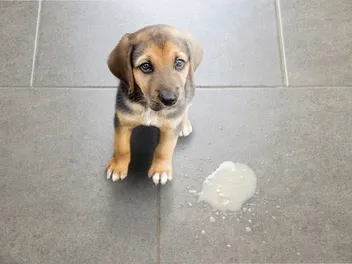
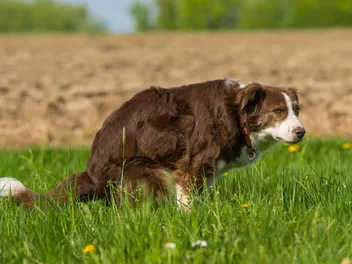
What Are the Symptoms of Parvo?
Which Dogs Are Most At-Risk for Parvo?
While many people declare that parvo is only a problem for puppies, the reality is that Parvo is a problem regardless of a dog’s age. While adult dogs are typically more able to survive in the face of a parvo infection, they can still experience severe or fatal side effects if the disease is left untreated.
Additionally, parvo is highly contagious. Multi-dog homes will need to quarantine sick dogs, especially if they have an at-risk dog in the house.
However, the most at-risk group for initial infections are puppies aged 6 weeks to 6 months. Puppies typically receive a parvo vaccine at 6, 8, and 12 weeks of age, and are particularly vulnerable to parvo during this time since they won’t be fully protected by the vaccine until after they receive the third booster. Some dogs will be offered a 16-week booster too.
Prior to the 6-week mark, puppies typically retain some of their mother’s antibodies. So, if the mother was vaccinated against parvo, her puppies will retain some level of protection against the virus until they outgrow the antibodies passed from their mother. This usually happens around 12 weeks of age.
Finally, certain dog breeds are also more susceptible to parvo than others. These include Rottweilers, Doberman Pinschers, American Staffordshire Terriers, English Springer Spaniels, German Shepherds, and Labrador Retrievers.
If you’re concerned about your pet’s well-being, we recommend you contact a veterinarian.
How Do You Treat Parvo?
Once a diagnosis of parvo has been confirmed, your vet will begin treatment. There is no medical “cure” for parvo, but supportive care can help your dog while they battle the illness. Veterinarians will typically treat symptoms of vomiting, diarrhea, and dehydration to make the dog comfortable and ensure they’re getting all the proper nutrients they need.
Since parvo often weakens the immune system—especially in puppies—the vet will monitor your dog for signs of comorbid infections that could cause serious complications when your dog is already battling a serious illness.
The survival rate of dogs treated by a veterinarian is between 68% and 92%. Recovery times vary by the severity of the illness, but it generally takes about a week for puppies to recover enough from parvo when being treated by a veterinarian, that they can return home.
Your vet will work with you to build a comprehensive treatment plan to ensure the best possible outcomes for your dog. This plan will include steps to prevent your dog from passing the disease to any other dogs in your household.
How to Prevent Parvo
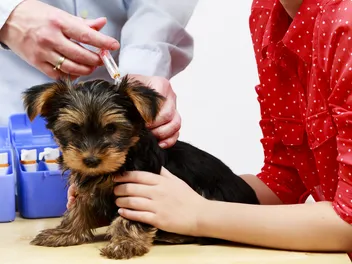
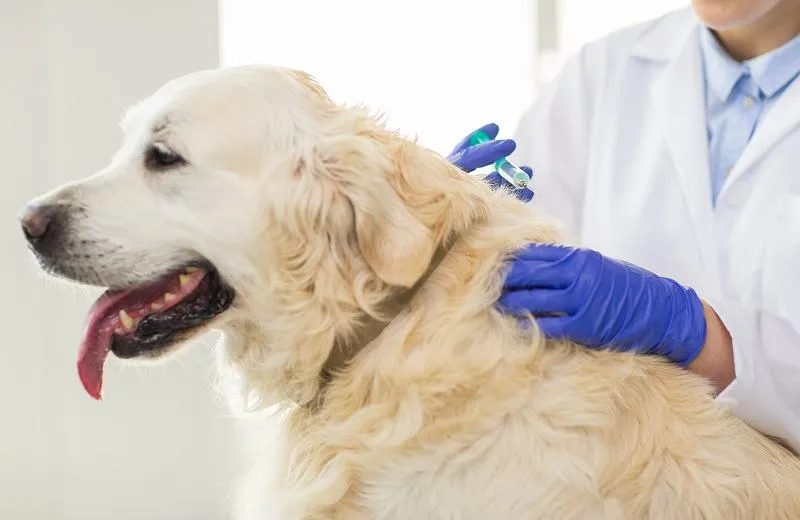
Parvo is a preventable disease. Getting your dog vaccinated for parvo will protect them against the infection. Ideally, all dogs in your home should be vaccinated against parvo, especially bitches that will be used for breeding.
Limit your dog’s contact with unvaccinated dogs until it’s fully vaccinated, especially during the critical period when your dog is most vulnerable to the disease.
When socializing a puppy, do it in your own home with vaccinated adult dogs owned by people you trust. Puppy classes, boarding facilities, and doggy daycares typically require proof of vaccination, but it’s a good idea to talk to your vet about what steps you need to take to protect your dog.
Final Thoughts
Parvo is a serious and contagious disease that can be life-threatening if not treated quickly. Understanding the signs and symptoms of parvo could be a life-or-death matter for your dog. So, learn everything you can about it.
If you suspect that your dog has parvo, don’t delay taking them to the vet. Parvo disrupts nutrition meaning your dog will be malnourished and less able to fight off the virus. Additionally, many symptoms of parvo can also be signs of even more serious illnesses. So, it’s best to get your dog treated right away.
See also:
Sources
Featured Image Credit: Pressmaster, Shutterstock
Expert dog care, straight to your inbox
News, insights, expert advice, and everything dog.

No spam — unsubscribe anytime.
By signing up, you agree to our Terms & Conditions and Privacy & Cookies Policy.
How useful was this post?
Click a star to rate. You can leave written feedback afterwards. (We read all feedback.)
I’m a freelance writer with a passion for animal science and technology. I love to share the world of animal science with people to help them make informed decisions for themselves and their pets. I’ve worked in professional pet care for over six years and realised I could help change the world of pet care by bringing the information people needed to them in terms they could understand. Knowledge is power and I love to help everyone become the most informed they can be.