Giardia in Dogs: Care, Causes & Treatment (Vet Answer)

In this article
Diarrhea is something that can commonly show up in our canine companions, often without warning, and can have many different causes. One cause is an infection of protozoa called Giardia. You may also recognize this as a human diarrheal issue. To get a better understanding of what Giardia can do to your pup (and you), read on.

What Is Giardia?
Each Giardia species is a single-celled organism known as a protozoon. Protozoa are in a different category than other disease-causing organisms like bacteria, viruses, and worms, in that they are parasites that need hosts in order to survive. Giardia comes in two forms: the trophozoite and the cyst. The trophozoite is the active form that’s found in infected animals’ or humans’ intestines and causes the associated signs. The cyst form is tougher and is what is passed in infected animal feces, which are capable of transmitting the infection to others. Giardia cysts can live in the right environment for many months, so it doesn’t take direct contact with an infected animal to create problems.
The illness that Giardia causes in dogs, other animals, and people is called giardiasis. You may also hear it referred to as “beaver fever” or “traveler’s diarrhea” in people. Some dogs that get infected with Giardia won’t show any signs but will continue to shed the organism, while others may present with varying degrees of signs.'

What Are the Signs of Giardia in Dogs?
Most healthy dogs aren’t going to have any signs that they have a Giardia infection. You may never know that they have a growing population of the protozoa in their digestive system or that they may be dropping Giardia cysts with their regular bowel movements.
However, some dogs, mainly young pups and the older or immunocompromised members of your pack, may have significant diarrhea. Giardia attaches themselves to the lining of the intestines, creating damage and inflammation. You may notice signs of:
- Sudden, foul-smelling diarrhea
- Chronic, intermittent diarrhea
- Soft or watery stools
- Bloody or mucousy stools
- Weight loss
- Lethargy
- Vomiting (sometimes)
Both sudden and chronic diarrhea are on the same list because Giardia may show up suddenly in some dogs, while others may have intermittent diarrhea lasting for several weeks or more.
If your dog is showing any of these signs, we recommend speaking with a vet.
How Do Dogs Get Giardia?
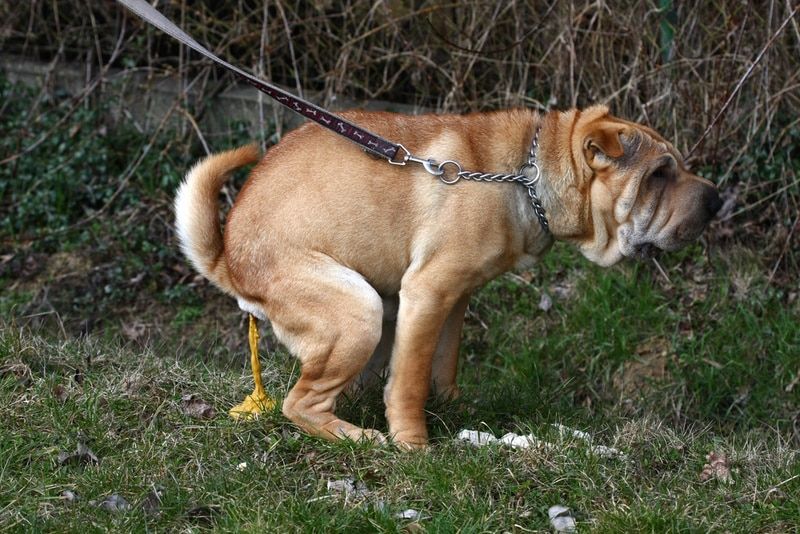
Giardia cysts tag along with an infected animal’s feces out into the environment where they can live for many months. They especially like water and damp areas. If another animal or human happens to come along and consume those cysts, either by drinking the water that they are in or eating fecal matter on the ground, they can become infected. It only takes a few cysts to cause problems in some dogs.
The main issues with the transmission of Giardia are those asymptomatic carriers. These dogs are carrying Giardia but not showing any signs. They can spread Giardia cysts wherever they defecate, potentially infecting many other dogs, and you’d never know that they had an issue.
Another worry with Giardia is that dogs can reinfect themselves. This means even if they get treatment to kill the internal protozoa, they can continue to consume their own shed cysts when grooming their feet or hind end that comes in contact with the hardier version. Also, Giardia is more common in areas that see a great deal of dog traffic. So, popular dog parks, frequented hiking trails, boarding facilities, pet stores, and shelters may all be the source of more frequent giardiasis.

How Do I Care for a Dog With Giardia?
You might not ever know that your dog is harboring Giardia. For those dogs that present with the tell-tale diarrhea, take action in the form of seeing your veterinarian. They will try to diagnose giardiasis through a fecal test. However, Giardia cysts are often shed intermittently, so one fecal sample might not paint the whole picture of what’s going on in your dog’s gut. Instead, a different type of fecal test may be needed for a definitive diagnosis.
When giardiasis is diagnosed, your vet will treat it with a course of anti-parasiticides or antibiotics or both. Treatment will need to last 7–10 days or more. They may also recommend feeding your dog an easily digestible diet at this time to help resolve the diarrhea. Supportive care, such as fluids, may be necessary for severe cases to get them back on their feet again.
On the last day of treatment, you’ll be advised to thoroughly bathe your dog in order to remove any residual feces that may contain cysts. You’ll also want to disinfect bedding and areas in your home frequented by your dog. Pick up any feces in your yard, and wash your hands afterward.


Frequently Asked Questions (FAQ)
Can I Get Giardia From My Dog Licking Me?
Even though Giardia are parasites that can infect both animals and humans, the chance of transmission between the two is fairly uncommon. Different types of Giardia infect animals than those that infect humans. However, to be on the safe side, take extra caution when touching your dog while they’re on treatment for giardiasis. Wash your hands after handling them or cleaning up their poop.
How Do I Decontaminate My Yard From Giardia?
Giardia cysts are tough and can stay alive in the environment for a while. However, they are particular about where they choose to stay. Giardia prefer water or damp areas, as they can dry out in the direct sun. With this in mind, be sure to pick up any feces in your yard and get rid of it where your pup can’t get to it. Otherwise, you can try to spread it out to increase sun exposure to it.

How Long Does It Take for Giardia to Go Away in Dogs?
Most healthy dogs that are treated for giardiasis will clear the infection within a week to 10 days, assuming that they don’t reinfect themselves. This is why it’s vital to disinfect their environment, bathe them, and clean up their feces. Young puppies or older dogs may need a longer course of treatment.
How Long Can Dogs Shed Giardia?
Dogs that don’t show any signs of an infection can still shed the Giardia cysts. They may do this consistently for days or weeks, or they may shed cysts intermittently for even longer.
Conclusion
Giardia are protozoa that like to live in moist, cool environments, especially water. When dogs (and people) consume the infective cysts from the environment or direct contact with an infected animal, they can harbor the infection without showing any signs, or they may show up with watery, smelly diarrhea. Most dogs respond well to treatment as long as reinfection doesn’t occur.
Featured Image Credit: Istvan Csak, Shutterstock
Expert dog care, straight to your inbox
News, insights, expert advice, and everything dog.

No spam — unsubscribe anytime.
By signing up, you agree to our Terms & Conditions and Privacy & Cookies Policy.
How useful was this post?
Click a star to rate. You can leave written feedback afterwards. (We read all feedback.)
Dr. Chyrle Bonk DVM (Veterinarian)
On top of caring for animals and writing for veterinary publications, Dr. Chyrle Bonk owns a small cattle herd! When she’s not busy with those things, she can be found somewhere enjoying the Idaho outdoors with her husband and two kids. Dr. Chyrle Bonk received her Doctor of Veterinary Medicine (DVM) from Oregon State University in 2010.
Chyrle has practiced in a mixed animal clinic for over a decade. She also writes for various veterinary websites and magazines, like Dogster!