8 Common Husky Health Problems: Vet-Approved Things to Watch For


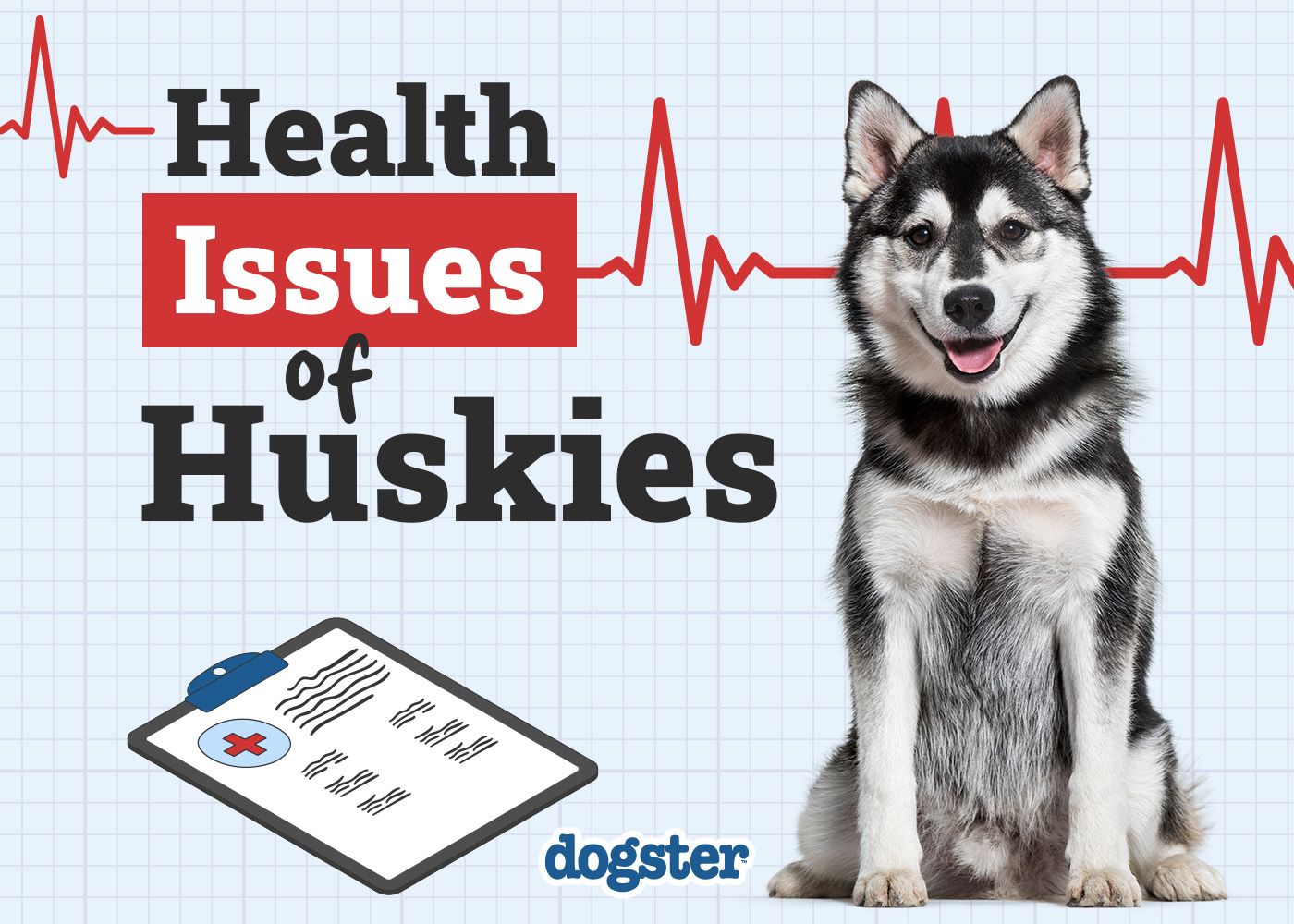
Breed-specific conditions are a huge concern for dog parents with purebred dogs like Siberian Huskies. Choosing a reputable breeder is important in preventing some hereditary conditions. Though there’s no guarantee a Husky will suffer from any of the health conditions associated with their breed, it’s a good idea to be vigilant for the signs of these conditions just in case.
Below, you’ll find information on the health conditions Huskies are susceptible to and signs to keep an eye out for. If you spot signs of any of these conditions, please contact your vet.

The 8 Common Husky Health Problems
1. Cataracts

In a dog suffering from cataracts, the eye lenses become opaque instead of clear as they should be. This causes issues with vision and even blindness if not treated because the retina can no longer receive light as normal due to the opacity. Cataracts can be caused by a number of things, including diabetes, chronic uveitis, improper diet, and genetics.
Signs of cataracts include bumping into things, difficulty finding toys and food bowls, etc., uneasiness around stairs, clumsiness, nose-to-ground walking, weepy eyes, and reluctance to be touched around the eyes. Some dogs even bark at objects for no apparent reason. Cataracts are most often treated with surgery.
2. Corneal Dystrophy

Often inherited, corneal dystrophy is an umbrella term for a variety of eye-related conditions that cause opacity and cloudiness in the cornea. The three types are epithelial (opacity on the superficial corneal layer), stromal (which affects the middle corneal layer), and endothelial (which affects the deepest corneal layer).
With progression, corneal dystrophy causes issues with vision and advanced cases can cause corneal ulceration. This requires treatment, though treatment for the three types of corneal dystrophies alone is not necessary.
3. Progressive Retinal Atrophy

More common in male Huskies, progressive retinal atrophy (PRA) causes the deterioration of the photoreceptor cells in the retina. It eventually causes blindness.
Progressive retinal atrophy is not easy to notice early since it doesn’t cause pain, but the earliest sign is what’s known as “night blindness.” Dogs with night blindness may be more nervous at night and avoid going into dark areas, including rooms. They may also bump into objects.
There is no specific treatment for progressive retinal atrophy, though vets may treat any underlying conditions causing it, like cataracts.
4. Hip Dysplasia

Hip dysplasia is a hereditary condition that occurs when the hip ball becomes loose in its socket and moves around, causing discomfort, pain, and trouble with mobility. It develops when a dog is in the growth stage and, though it’s possible for small dogs to have it, it mostly affects large and giant dog breeds. If not treated, it results in arthritis.
For this reason, it’s a good idea to get frequent vet checks for your Husky puppy when they’re going through the growth stage. Signs include limping, lameness (chronic or occasional), cracking joints, difficulty standing, sitting weirdly, bunny hopping, and struggling to get on and off elevated surfaces like the couch or bed.
Treatment and care options are varied and include surgery, medical management (i.e., joint supplements, special diets, etc.), physical therapy, acupuncture, and weight management. If you are concerned about the health and well-being of your pet, seek veterinary advice for the best course of action.
5. Hypothyroidism

When a dog’s thyroid gland (there’s one on each side of the neck) doesn’t produce enough thyroid hormones, it’s called “hypothyroidism”.
The thyroid hormones are important for the metabolic system, so a decrease in their production can cause all kinds of signs including lethargy and unwillingness to play and exercise, weight gain, ear and skin infections, thinning coat, and being cold. In some cases, treatment is given in the form of a medication called levothyroxine.
6. Epilepsy
Another potential condition a Husky can develop is epilepsy, which is a neurological disorder that causes seizures. Focal seizures and generalized seizures are the two seizure types, though generalized seizures are more common than the former.
Signs of a generalized seizure include stumbling, falling over, a stiff neck and legs, drooling, paddling the legs, loss of bladder and bowel control, shaking, and trembling. They typically last between 30 and 90 seconds. Epilepsy is treated with anticonvulsant medications.
7. Glaucoma

Glaucoma is one of the many eye conditions Huskies are prone to. Glaucoma occurs when there’s too much fluid in the eye (aqueous fluid), resulting in increased pressure. This pressure causes retinal and optic nerve damage. Unfortunately, around 40% of dogs end up blind in the affected eye.
Signs of glaucoma include squinting, corneal clouding, redness, testing, eye pain, pawing at the eye, poor blink response, fluttering eyelid, bumping into objects, and swelling, among others. The method of treatment depends on how advanced the glaucoma is and if any other conditions are causing it. Possible options include medication, surgery, and cyclocryotherapy.
8. Cancer

Sadly, Huskies are prone to various types of cancers, including skin cancer, sebaceous gland tumors, anal sac tumors, and hemangiopericytoma tumors. Each type of cancer presents with different signs, so here’s a brief rundown of the main signs to watch out for in the case of the said types:
- Skin cancer: A single, raised, hairless skin mass (between 0.2 to 10 cm) often on the head, neck, or shoulders.
- Sebaceous gland tumors: A solid, raised skin mass with or without hair that may or may not be ulcerated. You may spot your Husky licking the area where the tumor is.
- Anal sac tumors: Ribbon-like stools, lethargy, vomiting, drinking more, and urinating more.
- Hemangiopericytoma tumors: A mass that grows slowly over several weeks or months, a soft, moveable, or solid mass typically on a limb but sometimes the trunk, a slow-growing bump that looks like an ulcer, sore, discolored, or bald spot, or a fast-growing growth.

How Can I Make Sure My Husky Is Healthy?
If your Husky isn’t showing signs of any health conditions and appears happy and healthy, it’s a good rule of thumb to take them for a general vet checkup at least once per year, though twice per year is even better! This will give your vet the best chance of catching any early signs of health conditions that are easy to miss.
You can also help your Husky stay healthy by making sure they’re eating a high-quality, nutritious diet appropriate for their age. A poor diet is one of the causes of some health conditions including cataracts. Your Husky should live indoors in a warm, comfortable, and safe environment to increase their chances of the best possible physical and emotional health.

Conclusion
If you’ve reached the end of this article and are panicking, again, remember that just because Huskies are more prone to certain conditions does not necessarily mean your Husky will experience any of them.
The best ways to stay on top of your Husky’s health and care are to make sure they get occasional vet checkups, feed your Husky a healthy diet, keep them in a safe, comfortable environment, make sure they get plenty of exercises and mental stimulation, and be vigilant for signs that something isn’t right.
Related Reads:
Featured Image Credit: Pressmaster, Shutterstock
Expert dog care, straight to your inbox
News, insights, expert advice, and everything dog.

No spam — unsubscribe anytime.
By signing up, you agree to our Terms & Conditions and Privacy & Cookies Policy.
How useful was this post?
Click a star to rate. You can leave written feedback afterwards. (We read all feedback.)
Kit Copson is a freelance writer and lifelong animal lover with a strong interest in animal welfare. She has parented many furry beings over the years and is currently a proud cat mom of two—one very chilled (unless hungry) Siamese and a skittish but adorable Domestic Shorthair—and dog mom of one—an adopted Bichon Poodle cross. When not writing about or spending time with pets, Kit can be found drawing in her sketchpad, reading, or more often than not, drinking tea.