How Long Do Huskies Live? Average Lifespan, Data & Care Guide


In this article
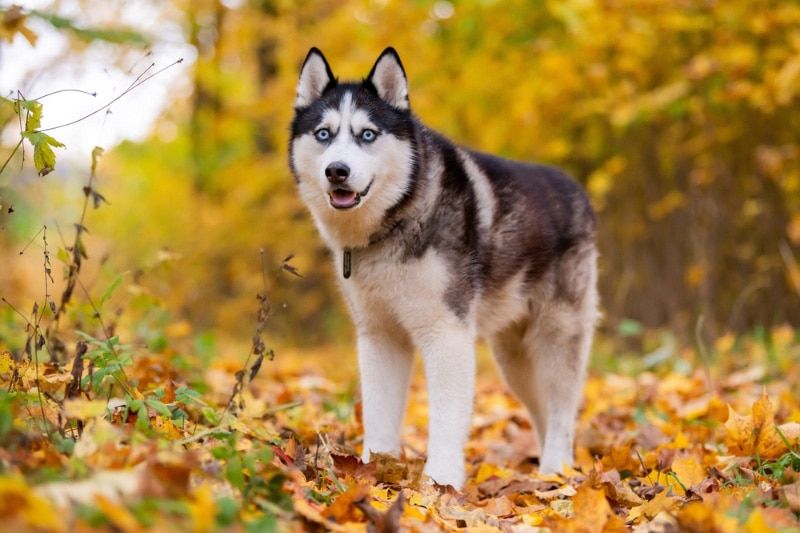
Huskies were originally bred to pull sleds, and although they are still used as energetic, effective working dogs, they have also become a popular pet dog breed. They are hardy dogs that prefer cold climates and need a lot of exercise and time outdoors to thrive. Because of their high energy levels, they also need a good-quality and monitored diet throughout their lifespan. Huskies can live between 12 and 14 years.

What’s the Average Lifespan of a Husky?
As a medium to large breed, they do enjoy a longer lifespan than large breeds, but this is dependent on factors such as diet, exercise, and even genetics. The typical lifespan of the breed is between 12 and 14 years, although it is believed that some live to 18 years or more. A typical Husky living in good conditions and with a reasonable diet will usually live to 13 or 14 years of age.


Why Do Some Huskies Live Longer Than Others?
Like all species of animal, many factors can determine the longevity of the Husky. Owners have little control over some of these factors: there is nothing you can do about genetics, other than ensure that the puppy you choose comes from a reputable breeder that has had the appropriate health checks conducted on the parent dogs. On the other hand, you can provide your pup with good living conditions, a suitable diet, and regular veterinary checkups.
Below are some of the most important factors that will determine how long your dog lives.
1. Nutrition
Good nutrition is vital to the health of your Husky. This breed needs a protein-rich diet that has moderate fat levels and is low in carbohydrates. If choosing a commercial food, buy one containing 30% or more protein, 20% fat, and ideally less than 30% carbohydrates.
Dogs are facultative carnivores, which means that their food can consist of meat and plant-based ingredients, but they do benefit from a high-quality source of animal protein as one of their food’s primary ingredients.
Although Huskies are not usually prone to putting on a lot of weight, if you feed too many calories and do not provide enough exercise, your dog can become overweight and have a greater chance of developing related conditions like diabetes, as well as respiratory and heart-related conditions. Another condition associated with overweight dogs is hip dysplasia, which is uncomfortable and shortens a dog’s life expectancy. Weigh your dog regularly, feed according to its size and target weight, and take steps to reduce food intake if your Husky is putting on too much weight.
2. Environment and Conditions
Huskies are prone to wandering and enjoy spending as much time outdoors as possible. As well as potential hazards like traffic, this can lead to dogs coming into contact with various environmental hazards. Toxic and poisonous plants can cause illness when ingested, while regular contact with some chemicals may also have a profound effect on your dog’s lifespan. Some dogs like to drink water from puddles and other potentially unsanitary water sources, so keep an eye out when out walking and ensure that your dog is supervised when outdoors and at risk.
3. Purpose
Dogs that are bred for showing and exhibitions tend to have a shorter lifespan. They are bred with others of the same breed which can proliferate genetic conditions. Those that are kept as working dogs with a familial pack may also have a greater chance of developing genetic conditions.
When bred as pets, Huskies do usually undergo the same intense breeding program, meaning that they are less likely to carry genetic defects, but you should check that the parent dogs were screened for eye problems and hip dysplasia.
A clean bill of health for the parents does not guarantee a healthy puppy, but it does reduce the risk of inherited diseases.
4. Housing
Although the Husky prefers to spend time outdoors, it should be given a warm and dry house in which it can sleep. Prolonged exposure to the cold and wet, even for this breed, can shorten lifespan. Too much time in hot conditions is especially damaging to the Siberian breed. Keep your Husky indoors during extreme hot conditions and avoid prolonged exposure to strong sunlight.
5. Sex and Neutering
Males and females live approximately the same time, although the female does enjoy a slightly longer life. However, the greatest difference is determined by whether the dog is spayed or neutered. Males are particularly at risk of developing testicular cancer and neutering is the only effective method of preventing the disease. Neutering male dogs may contribute to an increased lifespan.
6. Genes
Genes play a big role in determining how long an animal will live. Hip dysplasia and retinal atrophy are common genetic conditions in Huskies. Although you cannot do anything to prevent genetic conditions in a specific dog, some steps can help reduce the likelihood of buying a puppy that will develop one. Because these are hereditary conditions, the parent dogs can be tested to see whether they carry the relevant genes.
When speaking to a breeder, ask if they have had any health screening tests done, and look for those with eye test certificates from the Canine Eye Registry Foundation (CERF) or the Siberian Husky Ophthalmic Registry (SHOR), as well as a certificate from the Orthopedic Foundation for Animals (OFA) showing that it does not have dysplastic hips.
Although not required, additional health screening checks and certificates can further improve the likelihood that puppies are healthy and condition-free.
7. Healthcare
Taking a proactive approach to canine healthcare enables you to avoid some of the most common complaints and improve the likelihood of a healthy Husky. Attend regular vet visits, get insurance to cover unexpected costs, and include dental checks as part of your dog’s healthcare regimen. Poor dental hygiene is extremely common in dogs, and it usually leads to periodontal disease; especially as they age, and it can cause a host of problems.
Remember to have regular vet visits when owning a Husky to keep their health and well-being. If you’re concerned about your dog’s health we suggest you speak to a vet.
The 6 Life Stages of a Husky
Below are the 6 main life stages of this beautiful breed. However, this is only a guide and some dogs mature faster or slower than others, so some developmental differences are to be expected.
1. Neonatal
The neonatal stage occurs immediately after birth and lasts for around two weeks. Born blind, the puppy relies on its mother for everything and will do very little apart from sleep and eat. It will not be aware of its surroundings yet.
2. Puppy
Once a puppy’s eyes are open, at approximately 2 weeks of age, it will still be dependent on their mom but will also begin to take notice of its surroundings. From 3 weeks onwards, the Husky puppy will interact with its littermates and will meet humans. This is an important stage in the dog’s life, from a socialization standpoint.
3. Juvenile
Once the young pup reaches 3 months of age, it will start to take some tentative, exploratory steps to expand its world. Mum and its littermates will begin to teach the juvenile puppy what is considered acceptable behavior, and what is not. As the juvenile ages, it will begin to push boundaries and will need to be kept in line, although this should never mean physical reprimands.

4. Adolescent
At 6 months, a puppy will likely start to mature sexually. The Husky might start to wander to look for potential mates, triggering wanderlust which can be prominent in this breed. The 6-month-old Husky is still learning, although it should have a much better understanding of acceptable and unacceptable behavior by this age.
5. Adult
Huskies can reach full physical maturity between 18 and 24 months and are usually considered an adult from 12 months onwards. It should stop growing as quickly, although may still fill out a little more and build muscle if it is a working dog or takes part in a lot of physical activity. This is a good age to start agility or sledding classes because it will help to tire the Husky out and provide the mental and physical stimulation that the dog and its family will benefit from.
6. Senior
Huskies are highly energetic dogs, but like all breeds, they start to slow down as they age. At about 7 or 8 years of age, the dog will begin to look a little older and will tire out more quickly. At this age, it is a good idea to double the frequency of preventive veterinary visists and to start to reduce the amount of intense exercise given.
How to Tell Your Husky’s Age
The easiest way to roughly determine the age of any dog breed, including the Husky, is by checking its teeth.
Puppies retain their original puppy teeth, which are small but very sharp until they are about 12-16 weeks of age. At this age, they may have a combination of some remaining puppy teeth and a handful of adult teeth. By 6 months, they should have a mouth full of undamaged, adult teeth, and by 18 months, teeth in the back of the mouth may have signs of mild wear as well as some tartar and plaque build-up if teeth are not regularly brushed. If this bad habit continues, periodontal disease usually indicates a dog is at least 5 or 6 years old. Some senior dogs of 10 or older may have broken, damaged, or missing teeth.

Conclusion
Huskies are active, energetic, lively dogs. They are still used as working dogs but have gained in popularity as companion pet dogs. They have an average life expectancy between 12 and 15 years, influenced by many factors including genetics, general healthcare, and living conditions. If you want to try and ensure as long a life as possible for your Husky, have the parents checked before adoption, have it spayed or neutered, provide plenty of exercise, ensure a good diet, brush their teeth regularly and attend regular veterinary checkups.
See qalso:
Featured Image Credit: Maria Moroz, Shutterstock
Expert dog care, straight to your inbox
News, insights, expert advice, and everything dog.

No spam — unsubscribe anytime.
By signing up, you agree to our Terms & Conditions and Privacy & Cookies Policy.
How useful was this post?
Click a star to rate. You can leave written feedback afterwards. (We read all feedback.)
Nicole has loved animals of all sizes her whole life so it's no wonder she has dedicated her career to helping them through what she loves best: learning, writing, and sharing knowledge with others. She’s the proud mom of two dogs, a cat, and a human. With a degree in Education and 15+ years of writing experience, Nicole wants to help pet parents and pets around the planet to live happy, safe, and healthy lives.