How to Get Urine Sample from a Dog: 7 Vet-Reviewed Tips & Tricks

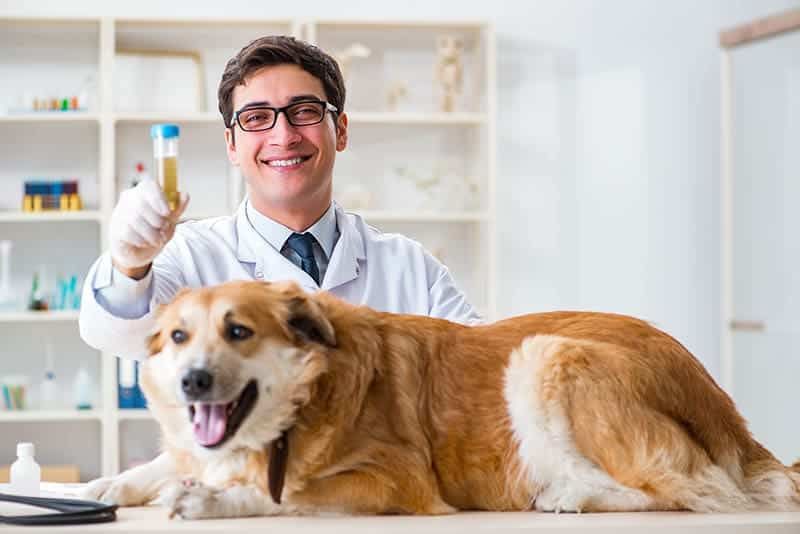
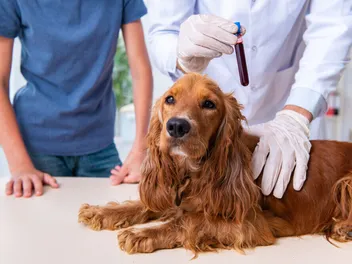
When taking your dog to the vet for a check-up or a scheduled consultation, the vet will likely run various tests on your furry friend to ensure that everything is okay with their health, including urine analysis.
Urinalysis requires you to get a urine sample from your dog for further testing. This type of test is extremely beneficial because it can help detect various diseases and health problems. However, getting a urine sample from your dog may be tricky, especially if you have never done such a thing before.
So, how can you get a urine sample from your dog without making a mess, while also ensuring that your furry friend is comfortable and that the sample is good to use?
Read on to learn more about urinalysis and why dogs need it and to get expert tips and tricks on getting a urine sample from your dog, along with alternative methods if the standard process seems too difficult.

What Is Urinalysis? Why Do Dogs Need It?
Urinalysis is an important diagnostic test that helps vets identify various diseases and health problems in pets. This type of testing can be a simple wellness check, though its main purpose is to discover deeper health issues, especially kidney-related problems. Urinalysis can help discover issues such as diabetes mellitus, infections, and glucose and ketones concentration.

Why Your Vet May Ask for a Urine Sample from Your Dog
Since urinalysis can help uncover various health problems, many veterinarians may suggest this test and ask you to get a urine sample from your dog. This way, they can ensure that your dog is healthy and in good shape. Some veterinarians may ask for a urine sample even when your furry friend is perfectly healthy, as this type of testing can provide early information on diseases and health problems.
Depending on the policy of your vet’s office, some veterinarians may take the urine sample directly on-site, while others may ask you to get the urine sample at home and bring it to their office.
How to Take Your Dog’s Urine Sample
Taking your dog’s urine is not as challenging as it seems. However, getting the urine sample can sometimes be tricky, especially if your dog is stubborn, energetic, or isn’t used to peeing in a container.
Here’s a quick guide on how to take your dog’s urine sample:
The 7 Expert Tips & Tricks for Getting a Urine Sample from Your Dog
Knowing how to handle your dog to acquire a urine sample will allow you to make the whole process much easier and more comfortable for you and your furry friend.
Here is a list of expert tips and tricks for getting a urine sample from your dog.
1. Get the Needed Equipment
Before getting a urine sample from your dog, you must be prepared and have the right equipment for the job.
Here’s a list of essentials that you will need to complete this procedure successfully:
- Rubber gloves
- Sterile container
These items will simplify the process of getting the urine sample while ensuring that the urine is clean and not contaminated.
2. Prepare Your Dog for a Sample
Before getting the urine sample from your dog, you’ll need to prepare your canine for what’s about to happen. Some dogs don’t like anyone near them while they go potty, so it’s essential to get your dog comfortable with you being around while they urinate. Discomfort may lead to aggravation, fear, and trauma.
You can prepare your dog by slowly approaching them during potty time, getting closer each time you go near them. It’s also good to desensitize your dog to the container where you will collect the urine.
By presenting your dog with the container, your dog should be more comfortable around it and therefore resist less while you are taking the sample. You could also teach your furry companion to pee on cue so you could get the sample easier.

3. Ensure That You’re Getting a Clean Urine Sample
When getting a urine sample from your dog, it needs to be clean, as bacteria from dirt and environmental sources may contaminate it. So, you should never sweep the urine sample from the floor or use urine from the grass that your dog urinated on. You should also have a clean, sealable container to store the urine until it is taken to the vet’s office (your vet should provide you with one).
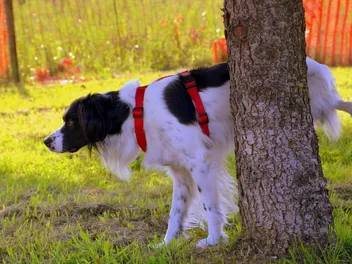
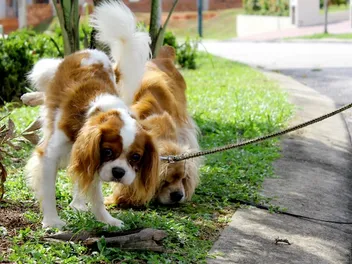
4. Adjust to Your Dog’s Urinating Style
Taking a urine sample from a dog is easier when you consider and adjust to your dog’s urinating style.
Here’s what you need to know:

5. Ask Someone to Help
Getting a urine sample from a dog can often be challenging, especially if you need to get near your dog during potty time. Having someone help you will make the whole process simpler and less stressful and time consuming.
You can hold the leash on your dog while somebody slides the container to get the urine or vice versa.
Either way, working in a pair to get the urine sample will be easier, which is why you should definitely ask for help if you need it.
6. If Possible, Get the Sample in the Morning
A urine sample should be as fresh as possible, so it’s preferable to get the sample in the morning and immediately take it to the vet’s office, unless your vet says otherwise.
In case you need to store the urine sample for a while, keep it in the fridge to remain fresh. You can refrigerate the sample for up to 24 hours; after that, you’ll probably need to get a fresh one.

7. Contact the Vet to Discuss Other Options for Getting a Urine Sample
Some dogs may have tricky personalities, or you may be unable to collect the urine sample properly. Fortunately, there are other options for getting a urine sample if the traditional way doesn’t work. Your vet can help you determine which ones will work for you and your furry companion.
Other Ways That You Can Take a Urine Sample from a Dog
Besides the traditional mid-stream way, there are two other methods to get a urine sample from your canine.
Cystocentesis
During this urine-collecting procedure, the veterinarian uses a needle and a syringe to collect the urine directly from your dog’s bladder. Typically, the vet will first perform an ultrasound to find the bladder. Once they do, they will pass the needle through the abdominal wall and into the bladder. They then withdraw the urine directly. This procedure is quick and efficient and provides the cleanest sample, which is beneficial while running tests.
Catheterization
During this urine-collecting process, the veterinarian uses a sterile catheter with a needle passed through your dog’s urinary passage and into the bladder. The needle withdraws the urine from the bladder through the catheter and into the container where the vet will store it. This is a fast procedure, though it can be slightly uncomfortable for some dogs.
Conclusion
If you know that you’ll need a urine sample from your dog soon, it’s best to prepare well; make your dog comfortable and get all the necessary equipment. The process of getting the sample is not that challenging, but if you have problems, there are other methods that your vet may propose.
Featured Image Credit: Elnur, Shutterstock
Expert dog care, straight to your inbox
Vet-reviewed advice, training tips, and the best of Dogster. Free, and you can unsubscribe anytime.
By signing up, you agree to our Terms & Conditions and Privacy & Cookies Policy.
I'm a creative, adaptable content writer that covers various topics such as DIY, pets, home improvement, travel, gardening, and more.
As a young mom and a college student, I didn’t have enough time to balance my personal and work life, so after multiple years of working a regular 9 to 5 job, I decided to pursue my passion and make a living out of it. I have been writing for a couple of years now, helping people to find valuable and interesting information online.
I believe that writing is a great way to share your knowledge with the community and express yourself. There's nothing that words cannot accomplish, so I always try to use them in the best possible way.
Join the conversation
Ask a question, share your story, or send private feedback.