Can You Drug Test a Dog? Vet-Verified Safety & Health Facts


In this article
Due to the prevalence of illegal drugs, it is possible for dogs to get into things that they should not. Ingestion of illegal drugs in dogs is becoming more common as substances like marijuana become legal and more accessible. This has led many people to ask whether or not they can drug test their dogs to find out if they’ve ingested drugs. While drug tests can be used on dogs, they should only be carried out by a veterinarian. Drug testing a dog should not be your first at-home response to a potential drug ingestion incident. Here is how to tell if your dog ingested something illegal and what to do if they have.

If You Think Your Dog Ingested Illicit Drugs, Go to the Vet
If you have any suspicion that your dog might have ingested illicit drugs, you should go to the veterinarian right away. Some people are reluctant to go to the vet after their dog ingests drugs because they are afraid of judgment or legal reprisals. This is the incorrect response. Vets have to report suspected animal abuse, but they are not obligated to report illegal drug usage.1 In fact, most vets will just treat the dog in order to make them well.
The ingestion of illicit drugs by dogs is actually fairly common, and the best thing to do is to bring your dog in for treatment right away. You should not drug test your dog before consulting a veterinarian. You should consult a professional first. Using a drug test shouldn’t be your first thought; if you suspect your dog has ingested a drug that it shouldn’t, take your dog to your vet immediately so that treatment can begin, if necessary.
If your vet is a long way from your home or if your dog ingests something potentially dangerous during the middle of the night, you can always call a pet poison helpline for immediate advice.
- Pet Poison Helpline (855) 764-7661
- ASPCA Animal Poison Control Center (888) 426-4435

Signs Your Dog May Have Ingested Drugs
The signs of drug ingestion will be different depending on a number of factors, including what kind of drug the dog may have gotten into, the amount of the drug, and the size of the dog. However, in most cases, there are a number of common signs that can point to the fact that something is wrong.
The signs of drug ingestion in dogs include:
Drug ingestion can be an emergency. The more of a drug the dog ingests, the more dangerous the situation.
In many cases, the signs in dogs of drug ingestion will mirror the effects in humans. For example, marijuana ingestion can cause dilated pupils, lethargy and ataxia (malcoordination). Cocaine ingestion can present as hyperactivity, increased barking, and shaking. If you have an idea of what kind of drug your dog may have eaten, then you can get a better idea of what kind of signs they may present afterward.

Can You Drug Test a Dog?
Yes. You can use over-the-counter urine tests that are meant for humans, for dogs, but the effectiveness in dogs is not the same as it is in humans. These tests are designed to be used with human urine, not dog urine. But they can still be useful. Drug testing a dog can give you a positive or negative result for certain drugs that can be trusted with fairly high accuracy.
What Drugs Will Show on a Test for Dogs?
According to the Merck Veterinary Manual, urine drug tests in dogs can help identify the presence of amphetamines, benzodiazepines, opiates, and barbiturates, but they don’t accurately identify if a dog has ingested marijuana. These drug tests work the same way as they do in people. A urine sample is taken and applied to the test, and then the test provides a positive or negative result within minutes. Since these tests are made for humans, not dogs, there are some discrepancies that can arise. For example, many times, dogs will throw a negative result for marijuana even if the dog has eaten a large amount (a false negative). These tests cannot be treated as 100% accurate for these reasons.
When to Drug Test Your Dog
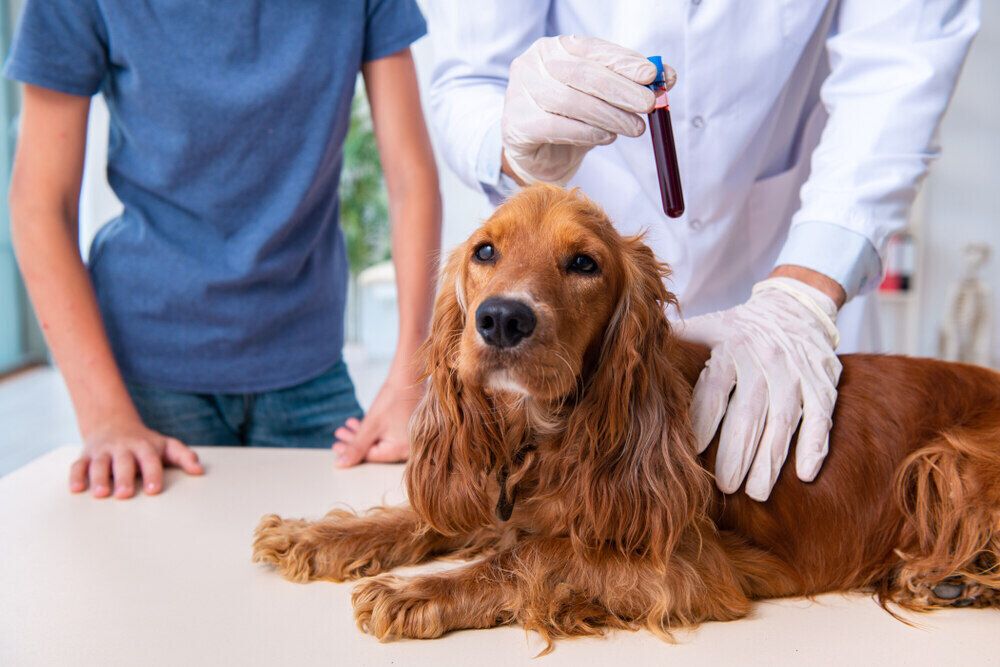
A dog owner should not be drug testing their dog. Drug tests can be used by veterinarians to help rule out certain toxicities in a pet. As discussed, any dog that is suspected of ingesting drugs should be taken in for immediate veterinary care. Veterinarians can use drug tests to help them in their diagnosis and treatment plans, but people should not be doing this at home. For example, a vet might be able to quickly narrow down the potential toxicity present in a dog to two or three possible drugs, and a drug test can help determine which one it is.
Drug testing a dog at home has very marginal benefits. If the dog tests positive, they need to go to the veterinarian right away anyway. Even if the dog tests negative, it could be a false negative. Since drug ingestion can be life threatening, any potential drug ingestion should be treated as an emergency.

Be Aware of False Positives and Negatives
Any drug test has the potential to show a false result. False positives and false negatives can occur while drug testing dogs. The rate of false results is higher in dogs than in humans because the tests were designed for human urine, not dog urine. This is another reason why these tests should only be administered and examined by professionals who have the data, knowledge, and experience to help decipher potential positive and negative results.
A false negative can be extremely dangerous. If a person drug tests their dog at home and gets a false negative result, they might think that their dog is in the clear when they have actually ingested a dangerous substance. That is why suspicion of drug ingestion should be treated as an emergency. You should also use the signs of drug ingestion as a first key indicator that something is wrong rather than relying on the results of a drug test.
Conclusion
It is possible to drug test a dog, but that should only be done by veterinary professionals. There are little to no benefits of people drug testing their own dogs at home. Illegal drug ingestion by dogs can be dangerous and even fatal, so any suspected incident should be treated as a potential emergency. Any suspected drug ingestion incident should be immediately followed up by a trip to the vet or with a call to a pet poison hotline.
Sources
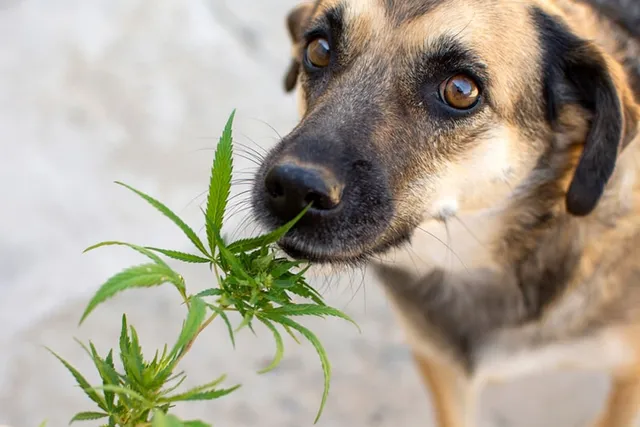
Featured Image Credit: Elnur, Shutterstock
Expert dog care, straight to your inbox
Vet-reviewed advice, training tips, and the best of Dogster. Free, and you can unsubscribe anytime.
By signing up, you agree to our Terms & Conditions and Privacy & Cookies Policy.
Join the conversation
Ask a question, share your story, or send private feedback.