How Much Exercise Does My Labrador Need? Vet-Verified Facts & FAQ


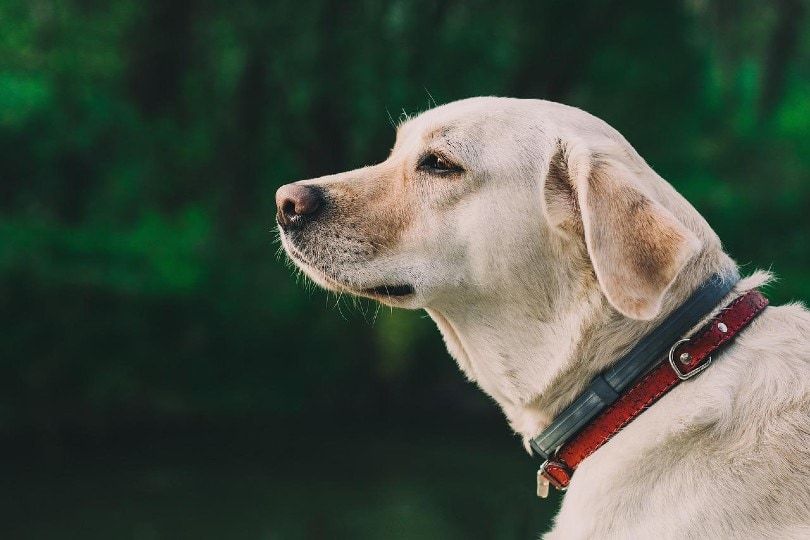
While Labrador Retrievers are popular companion dogs worldwide, they were initially bred as sporting dogs and retained much of their working prowess even after the shift to companionship. Labrador Retrievers were initially bred and trained to retrieve with gun sportsmen, and they’re considered a type of “gun dog.”
Naturally, dogs bred to work have high energy levels to keep up with their assigned daily tasks. According to the American Kennel Club, Labrador Retrievers are classified as “high-energy” dogs that will need “a lot” of daily exercise. AKC-compliant breeder Ruffwood Labs emphasizes that exercise is not a value of time exercised but exertion.

How Much Exercise Should Labradors Get?
Puppies

According to Ruffwood Labs, Labrador puppies need to be walked for around 5 minutes for every month of life. So, a 20-minute walk would be appropriate for a four-month-old puppy. However, not all walks are equal. Consider the terrain you will be walking on, e.g., steep hills and rough tracks. The most important part is not the length of the exercise but the quality of it.
Puppies are being walked to help with socialization and lead skills rather than a need for exercise per se. Let them guide the activity- sniffing and investigating or running around madly for a few minutes. They will usually stop and sit or lie down if they need a rest; let them do this.
Additionally, Ruffwood Labs warns against overexercising your puppies. As Labradors are a medium-large dog breed, they’re typically considered to be at risk for hip dysplasia, a condition where the hip joints are malformed, often resulting eventually in degenerative joint disease. Hip dysplasia is multifactorial, and genetics, diet, and exercise all play a part.
While exercise is crucial to raising a Labrador Retriever, especially as a companion dog, where they’re far more likely to become overweight or obese, you’ll need to ensure that you don’t overexercise your young dog. Ruffwood Labs recommends that Labrador puppies not be vigorously exercised and kept away from stairs to avoid causing damage to their delicate, growing joints.
Adults

Slowly increase your Labrador’s exercise as they age. Once they mature, by 18 months, they will be able to engage in more vigorous exercise and start jogging with you if you wish.
Your average Labrador would enjoy around 1 to 2 hours of exercise a day, but this can be divided into manageable time slots. Exercise also includes brain stimulation, such as training and scent work. So your morning and evening walks can be supplemented with training sessions at home, too. Labradors love to swim, which can be a great form of exercise. Get creative, play games, use puzzle feeders, and have fun together building your bond.
Signs of Exercise Intolerance
Labradors are also predisposed to exercise intolerance. You’ll need to remember this when exercising your dog, especially during the summer months when the heat will exacerbate any problems your dog has with exercise.
Stop the activity and let your dog rest if you see any of the following signs while exercising your Labrador.

Damage to the Paw Pads
Some dogs get so absorbed in their play that they accidentally strain the paw pads excessively. Dr. Susan Jeffrey explains to PetMD that some dogs will “run until the pads on their feet tear and then run some more.”
If you see that your dog is limping or using one foot over another foot, check to make sure their paw pads are in good condition. Even though paw pad injuries are typically painful, some dogs will ignore the very clear sign that they need to stop to continue playing.
Sore or Stiff Muscles
If your dog seems sore or stiff once they’ve calmed down from a play session, it may have been too intense or too long for your dog’s liking. Soreness or stiffness will typically become visible once your dog has rested up following their play session.
Often, soreness or stiffness is caused by “weekend warrior syndrome”, explains Jen Pascucci, a rehab therapist for pets. Owners sometimes try to fit a week’s worth of exercise into the two days at the end of the week, but this is typically detrimental to the dog’s health.

Behavioral Changes
If your dog is not quite themselves or behaving oddly, especially around the time you typically exercise, this is a good sign that something is wrong. Your dog may feel under the weather, or you went a little too hard the day before.
Let your dog rest if they don’t seem interested in or refuse to play or exercise. Please don’t force them. If the problem persists, contact a veterinarian to rule out any medical diagnoses.
Injury or Heat Intolerance
If your dog is injured during play or starts showing signs of heat sickness, you should halt play immediately and bring them to a veterinarian. Prompt treatment is of the essence in these kinds of situations.
Final Thoughts
Exercising your dog is a critical component of being a dog owner. So, it makes sense to learn as much as you can about how to properly keep your dog healthy before you get one. When selecting your new family member, it’s important to pick a dog that will fit into your lifestyle. If you can’t keep up with your Labrador’s exercise needs, they may suffer health and mental consequences. So, keep that in mind before bringing your new dog home.
Featured Image Credit: tookapic, Pixabay
Expert dog care, straight to your inbox
News, insights, expert advice, and everything dog.

No spam — unsubscribe anytime.
By signing up, you agree to our Terms & Conditions and Privacy & Cookies Policy.
How useful was this post?
Click a star to rate. You can leave written feedback afterwards. (We read all feedback.)
Nicole has loved animals of all sizes her whole life so it's no wonder she has dedicated her career to helping them through what she loves best: learning, writing, and sharing knowledge with others. She’s the proud mom of two dogs, a cat, and a human. With a degree in Education and 15+ years of writing experience, Nicole wants to help pet parents and pets around the planet to live happy, safe, and healthy lives.