How Long Does It Take a Dog to Recover From Being Neutered? Vet-Approved Facts


Neutering is one of the most common surgical procedures performed on dogs (and cats). If you adopt your male dog from a shelter, chances are they’ll already be neutered. If not, you might have some questions about the surgery before you schedule it, such as how long it takes a dog to recover from being neutered.
Typically, it takes 10-14 days for a dog to recover from being neutered. In this article, we’ll talk a little bit about what happens during neuter surgery and why this procedure is beneficial for your dog. We’ll also tell you a few ways your dog’s recovery could be complicated or extended and how to avoid them.

Neuter Surgery: The Basics
Neutering is the surgical removal of a male dog’s testicles. When they are puppies, the dogs’ testicles are situated in their abdomen. As they mature, the testicles descend into the scrotum, usually by the time they are 6 months old.
If the testicles drop normally, they are removed after the vet makes a small incision near the scrotum. Sometimes, testicles are retained or “stuck” in the abdomen. One or both testicles can be retained, which requires a more complicated neuter surgery, sometimes with multiple incisions.
Traditionally, dogs were neutered at 5-6 months old. However, it can be safely performed on puppies as young as 8 weeks, which many animal shelters elect to do. Newer research also suggests that large-breed dogs should be neutered later. Discuss the timing with a veterinarian.

Recovering From Neuter Surgery
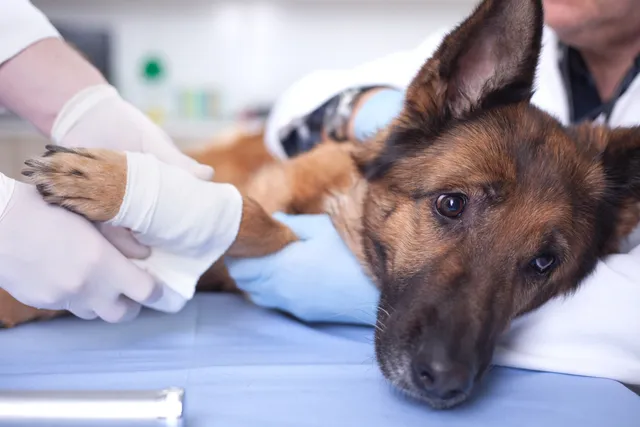
The veterinarian will send you home with instructions on what you should do while your dog recovers. It’s essential to follow these directions carefully to avoid any complications that could prolong your dog’s recovery time.
After surgery, keep an eye on your dog and their incision for any concerning signs such as the following:
- Red or swollen incision
- Loose stitches
- Discharge from the incision
- Trouble using the bathroom
- Not eating or drinking normally
- Pain
- Vomiting or diarrhea
Here are some specific behaviors that could impact your dog’s recovery from neuter surgery.
Being Too Active
Following neuter surgery, you’ll need to keep your dog calm and quiet while their incision heals. Generally, that means keeping them in a crate or small room when unsupervised and quick leash walks to use the bathroom. They should also avoid playing with other pets during this time.
The vet will give you specific instructions on when you can increase your dog’s activity level.
If your dog is too active during recovery, it may take longer for the incision to heal. Abnormal swelling or bruising could also occur.
If you’re worried about keeping an active dog quiet, ask the vet about medication to help keep them calm as they recover.

Licking or Chewing the Incision
After surgery, the vet will seal your dog’s incision with stitches or another form of skin closure. These will need to stay in place for a set period, usually the full 10-14 days. Keeping your dog from chewing or licking the incision is vital to avoid complications.
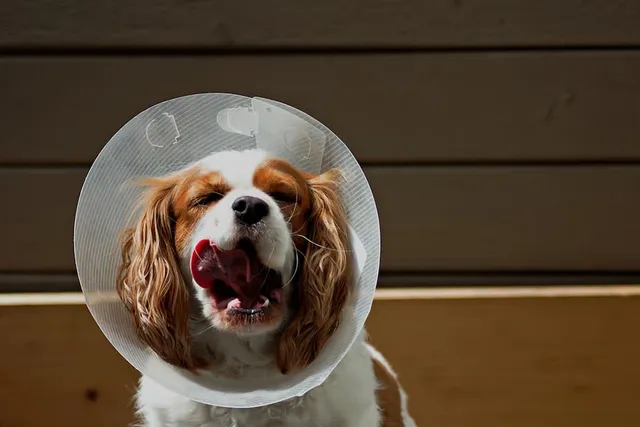
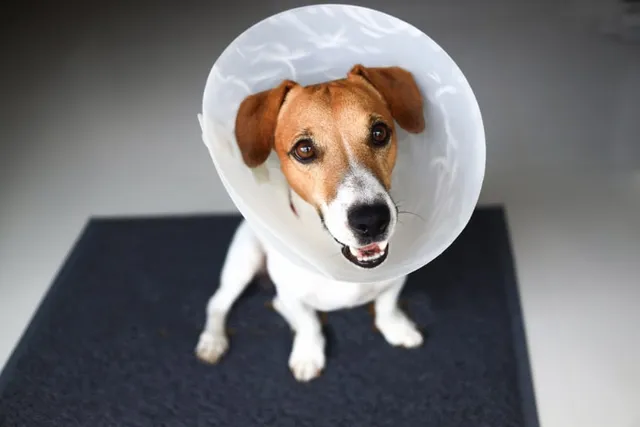
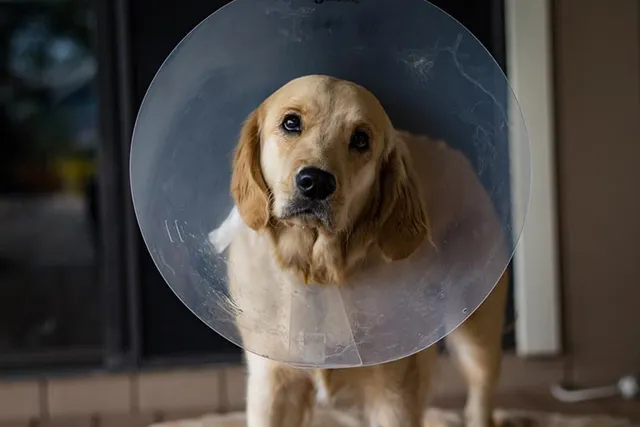
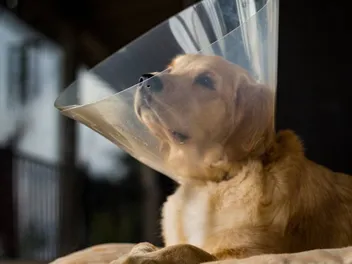
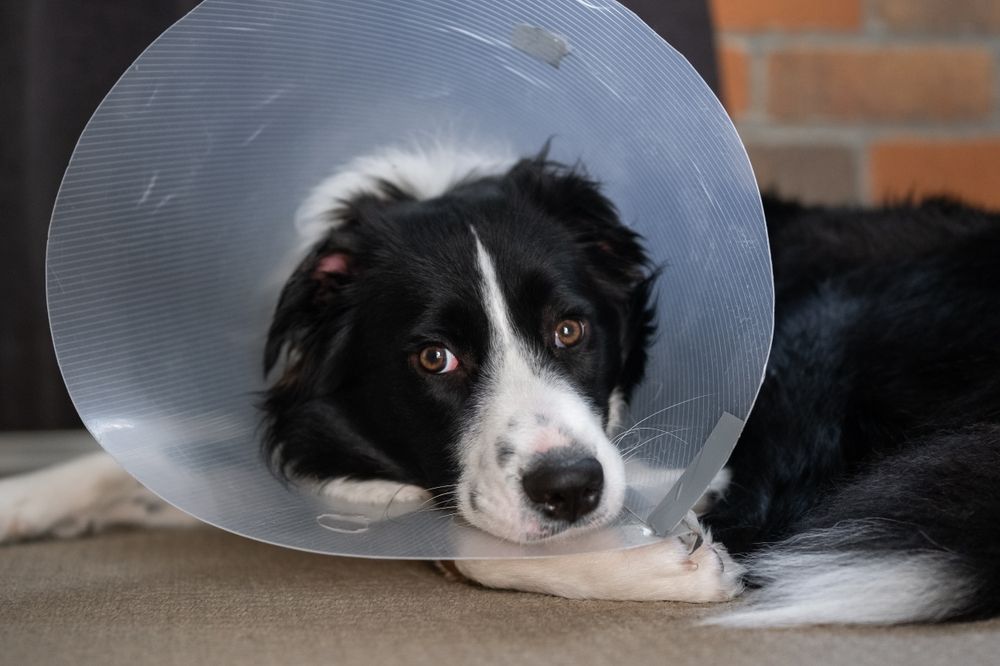
Usually, the vet will send you home with a “cone of shame” or Elizabethan collar to keep your dog away from the incision. Nobody likes the cone but resist the temptation to take it off except when the vet says it’s okay.
Without the cone, your dog could chew out their stitches, opening up the incision. Licking the incision could cause an infection. Either of these scenarios could prolong the recovery time for the surgery.
If you have any questions about how your dog is healing or the process, it's recommended you contact a vet.
Why Neuter Your Dog?
Neutering your dog has multiple benefits for health and behavior. It also helps ensure your dog won’t contribute to the overpopulation of homeless pets in the U.S.
According to the ASPCA, over 3 million dogs find themselves in animal shelters each year. Tragically, almost 400,000 homeless dogs are euthanized each year. Neutering your dog means they won’t be able to contribute to this statistic.
Dogs that are neutered young are less likely to suffer from prostate issues or testicular cancer when they get older.
Neutering dogs also tends to eliminate or decrease undesirable behaviors like excessive urinating. Neutered dogs don’t have the instinctive desire to roam in search of mates and tend to be calmer and easier to handle.
Conclusion
As we’ve learned, recovering from a neuter surgery generally doesn’t take more than 2 weeks, barring complications. While you will need to adjust your routine as your dog recovers, the benefits of neutering your dog are worth the effort. If you’re concerned about the cost of this surgery, many shelters and non-profits offer low-cost spay and neuter clinics, and you can check for these options in your area.
Sources
Featured Image Credit: Pic Media Aus, Shutterstock
Expert dog care, straight to your inbox
News, insights, expert advice, and everything dog.

No spam — unsubscribe anytime.
By signing up, you agree to our Terms & Conditions and Privacy & Cookies Policy.
How useful was this post?
Click a star to rate. You can leave written feedback afterwards. (We read all feedback.)
Elizabeth Gray is a lifelong lover of all animals great and small. She got her first cat at 5 years old and at 14, she started working for her local veterinarian. Elizabeth spent more than 20 years working as a veterinary nurse before stepping away to become a stay-at-home parent to her daughter. Now, she is excited to share her hard-earned knowledge (literally--she has scars) with the readers. Elizabeth lives in Iowa with her family, including her two furry kids, Linnard, a husky mix and Algernon, the worldʻs most patient cat. When not writing, she enjoys reading, watching all sports but especially soccer, and spending time outdoors with her family.