Why Is My Dog Throwing Up Bile? Vet-Reviewed Causes & Treatments


In this article
It’s a fact of life that your dog is going to vomit at some point. It is often just the regurgitation of their food because they ate it too quickly, but sometimes, it might be true vomiting, and may indicate that something is wrong.
If your dog throws up bile over one episode of vomiting, and seems otherwise fine, you should be fine to monitor them for a few hours to make sure all is well. However, if they are showing other signs of illness or if it continues to happen, get in touch with your vet.
In the meantime, read on as we discuss the reasons that a dog may throw up bile and what you can expect regarding treatment.

Why Is My Dog Throwing Up Yellow Bile?
If your dog is throwing up yellow liquid, it’s probably bile. The liver produces bile, which is stored in the gallbladder, and released into the small intestine when a dog eats. Bile helps to break down oils and fats in the small intestine into smaller particles that can be absorbed more easily. It also helps neutralize stomach acid which is passed from the stomach to the small intestine along with the stomach contents. This protects the intestinal tract lining. Bile should be prevented from leaking into the stomach by the pylorus, a muscular valve of the stomach. However, when dogs vomit excessively or on an empty stomach, bile can be produced.
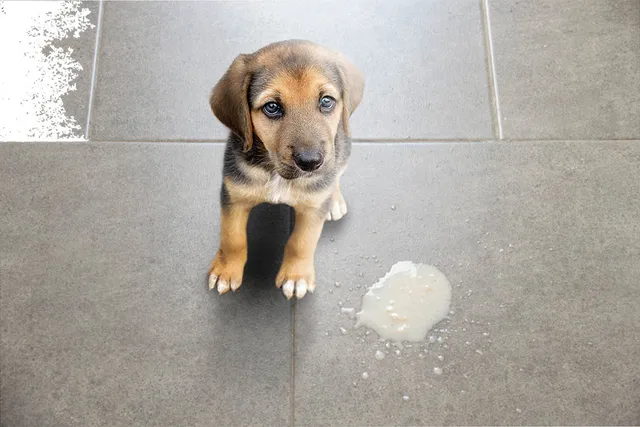
If bile is contained in the vomit, it may be yellow or greenish, lack any odor, and may be foamy, bubbly, or mucousy. Your dog may vomit this substance more than once.


What Causes Dogs to Vomit Bile?
Several conditions can cause dogs to vomit bile, ranging from minor to severe.
1. Bilious Vomiting Syndrome
Bilious vomiting syndrome is a condition that entails dogs throwing up bile when they haven't eaten for a while, and it typically occurs in the morning.
You’ll likely see signs of nausea before they vomit:
It’s thought that for some dogs, waiting too long before eating (which is why this can happen most often in the morning) can result in bile flowing into the stomach. This condition is not considered serious, but if it continues to occur, you should speak to a vet.
You might also want to feed your dog a small meal before bed so they don’t need to wait as long for breakfast. This can help some dogs, but consult with your vet first, as they might need to run tests or offer medication for your dog.

2. Allergies
Food allergies can cause your dog to vomit. Allergies to particular foods (typically certain proteins) typically start to occur when a dog has eaten the food without incident for years.
The most common food allergens for dogs tend to be:
Other signs of food allergies are:
If you suspect that your dog might have food allergies, your veterinarian can help you set up an elimination diet to identify the allergen.
If you’re looking for an effective yet safe solution to cleaning up vomit, check out our favorite pet-friendly products here.
3. Gastrointestinal Disorders
Several gastrointestinal diseases can lead to a dog throwing up acutely (suddenly vomiting) or chronically (continuing to vomit over time).
Issues that can affect the dog’s digestive system and cause vomiting include but are not limited to;
Since many of these conditions require proper diagnosis and treatment, it's essential to seek advice from a veterinarian, who will determine the underlying condition.
If you have recently switched your dog’s diet without a transition period and your dog has had acute vomiting and diarrhea, it is reasonable to feed your dog a bland diet for a few days to help them settle. If your dog is otherwise unwell, e.g. showing signs of lethargy or a poor appetite, seek veterinary advice.
4. Pancreatitis
Pancreatitis is a medical condition that is most often idiopathic (has no known cause). However, some breeds are predisposed to pancreatitis and it can result from dogs consuming high-fat foods. The condition can be either acute or chronic.
In acute cases, the signs can appear suddenly and may include:
Chronic pancreatitis signs may include:
Treatment for pancreatitis varies depending on the severity of the disease. Many dogs will need hospitalisation, fluid therapy, pain relief and anti-sickness medications to help them through a bout of pancreatitis. The current advice is to try to get the dog to eat as soon as possible to give them the best chance of survival. Dogs that have suffered with pancreatitis should be fed ultra-low-fat food for the rest of their lives.

5. Systemic Illnesses
Systemic illnesses are a group of medical conditions that affect many systems or organs in the body. These include Addison's disease, kidney disease, liver disease, and other chronic conditions.
Digestive upset is a common sign of many systemic conditions, but they usually have more signs than just vomiting. For example, a dog with kidney disease is likely to be drinking excessively, losing weight and may have a reduced appetite.
If your dog is diagnosed with a systemic illness, your vet will provide treatment options and guide you on how to take care of your pet at home.
6. Intestinal Blockage
An intestinal blockage is an emergency situation and requires urgent surgical attention!
Other than throwing up bile, signs of an intestinal blockage include:
The most common indication of an obstruction is a dog vomiting but not pooping. Surgery is usually necessary.

Should You Go to the Vet If Your Dog Is Vomiting Bile?
If your dog throws up bile only once and seems okay otherwise—eating, exercising, and generally acting normally—it’s likely they are fine.
However, if your dog throws up more than once within 24 hours, it’s best to take them to your vet to ensure that they are okay. You should also speak to your vet if your dog seems to throw up bile chronically, such as every few days or weekly.

What’s the Best Way to Settle Your Dog’s Stomach?
After your dog vomits, you have a few options for your next steps. However, you should ask your vet for their input because treatment options vary hugely depending on the cause of the vomiting. If your dog has vomited multiple times, take them to your veterinarian for assessment.
If your dog has vomited just once but is otherwise well in themselves, you can try the following:
Before feeding anything to your dog if they’ve been throwing up, run these options by your vet.
The best foods to give your pup when they have an upset tummy are:
Conclusion
If your dog vomits bile once and seems generally okay, there's usually no cause for concern. If your pet has to wait for a long period between their evening and morning meals, consider feeding them a small meal before bed.
However, if your dog throws up yellow bile along with exhibiting other signs, such as diarrhea, lethargy, and loss of appetite, make an appointment with your veterinarian right away!
You know your dog best, so if they aren’t behaving like their usual self, contact your vet. It’s always better to be safe than sorry when it comes to your best friend. There are so many causes for vomiting, so your vet is best placed to work out what is going on and to get your pup back to full strength as quickly as possible.
Featured Image Credit: shulers, Shutterstock
Expert dog care, straight to your inbox
News, insights, expert advice, and everything dog.

No spam — unsubscribe anytime.
By signing up, you agree to our Terms & Conditions and Privacy & Cookies Policy.
How useful was this post?
Click a star to rate. You can leave written feedback afterwards. (We read all feedback.)
Kathryn was a librarian in a previous lifetime and is currently a writer about all things pets. When she was a kid, she hoped to work in a zoo or with wildlife in some way, thanks to her love for animals. Unfortunately, she's not strong in the sciences, so she fills her days with researching and writing about all kinds of animals and spends time playing with her adorable but terribly naughty tabby cat, Bella. Kathryn is hoping to add to her family in the near future – maybe another cat or two and a dog.