12 Health Benefits of Pet Therapy According to Science

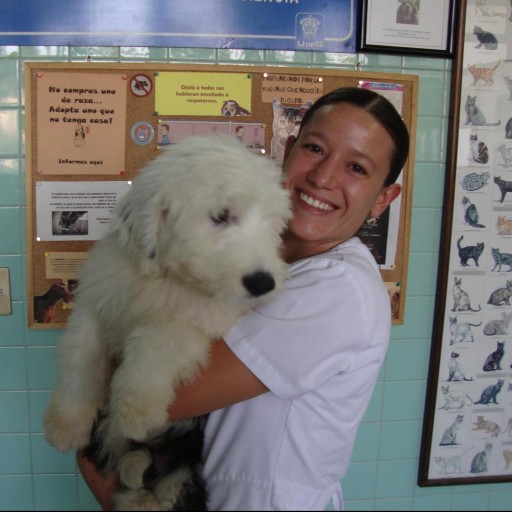
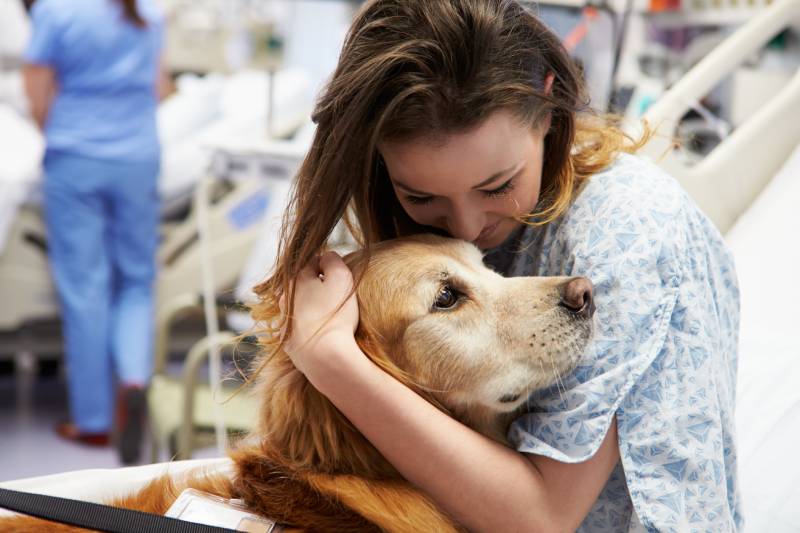
Most pet owners agree that having an animal companion is a rewarding experience, though some may not know that it can have unexpected yet welcomed health benefits. It shouldn't be too surprising, though, given that humans domesticated dogs between 15,000 and 40,000 years ago, and we’ve been fast friends ever since. Archaeological evidence shows that we even wanted them with us in the afterlife, as indicated by canine remains found with human burials.1
Pet therapy goes back to the times of the ancient Greeks. It was also used in the 9th century in Belgium, using livestock.2 Current experts credit Englishman William Tuke with developing the modern practice of animal-assisted therapy. So, what are the main benefits of owning a pet?

The 12 Health Benefits of Pet Therapy
1. Stress Relief
Interacting with dogs can help reduce stress and anxiety through human–animal bonding, including the release of oxytocin and the calming effects of gentle physical contact. Researchers have even confirmed that using animal-assisted interventions (AAIs) at universities helps students cope better during these stressful times.3

2. Improved Mood
It’s hard not to smile if you watch a couple of puppies playing and chasing each other. However, it goes much deeper, particularly if a person engages in animal-assisted therapy. According to research, the human-animal bond is uplifting on many levels.4 It occurs because being with a pet can provide comfort and emotional support, which may help improve mood, even during stressful or traumatic experiences.
3. Increased Activity
Unless you have a fenced yard, the chances are you’re taking your pup for a walk at least a few times a day. You’re probably also increasing the steps you take each day. The same thing applies to a therapy pet. Going outside with a dog can provide valuable mental stimulation for you and the animal. It can also support overall physical activity and may contribute to improved cardiovascular health and general well-being.5

4. Better Cardiovascular Health
Improved cardiovascular health is one of the potential benefits of pet therapy. Even just petting an animal can help lower your blood pressure and may reduce some risk factors for heart disease.6 It’s an outcome of many of the other ways that pet therapy influences your health. The great thing about it is that the animal also benefits from the attention.7
5. Decreased Loneliness
Whether a volunteer visits you with a therapy animal or you own one yourself through a service, there’s no denying the benefits of pet therapy for some seniors. Even if they don’t admit it, owners talk to their animals. Some treat them as family members. Pet therapy can help older adults reduce feelings of loneliness and isolation, especially if they’ve lost their spouses.

6. Improved Test Scores
Stress and anxiety are common feelings among college students due to the pressures of tests and exams. It’s no wonder that these emotions may adversely affect their performance.
One study found that AAIs on campus could help students cope better with these feelings, with effects that lasted long after therapy sessions. These findings support reduced stress and improved emotional well-being, which may help students engage more effectively with their academic work.
7. Better Rehabilitation Outcomes
Healthcare practitioners use pet therapy in various settings. One emerging area has been rehabilitation after trauma or treatments. Researchers have found that animal-assisted therapy (AAT) can help improve the quality of life and social behavior in patients with brain injuries. They have also reported improvements in mood and communication when animals are included as part of patient treatment.

8. Support for Dementia Patients
Pet therapy also has applications for patients with dementia or other forms of mental illness. Scientists have found that AAT may help improve symptoms of depression and may have a positive effect on some aspects of cognitive function in seniors in long-term care facilities. These benefits, in turn, improved the quality of life of patients in these situations.
9. Aid for Children With Learning Disorders
Coping with learning disorders is challenging for children and adults. Treatment is often difficult with conditions like dyslexia. These disorders can have profound effects on these individuals. Research has shown that pet therapy may offer new ways to support these patients. One study found that therapy dogs could encourage children to read and help many of them succeed in this vital skill.

10. Support for PTSD Patients
While still in its infancy, some research shows that pet therapy can help reduce symptoms in some patients with post-traumatic stress disorder. Scientists have found a significant reduction in symptoms in a relatively short time. That translated into less anxiety and an overall better quality of life for patients using this treatment option.
11. Pain Reduction
Pain undoubtedly has an emotional component, which can lead to treatment approaches that may positively affect a patient’s perception of pain and emotional well-being. A study by Loyola University Health System found that using pet therapy with individuals recovering from joint replacement procedures halved the use of pain medication. Trained service dogs could help patients during recovery by doing common tasks for their owners.

12. Unconditional Love
One of the best things about being with a pet is the unconditional love that you receive. There’s no judging or criticizing; it’s just boundless affection, no matter your condition or injury. A therapy animal can improve your quality of life by lifting your self-esteem. Everyone wants to be loved. These pets will ensure that it happens for anyone who needs it.
Conclusion
Early humans probably had no idea how domesticating animals would affect future generations. Our bonds with our pets have grown stronger through the centuries. We depend on each other for companionship with an enduring human–animal bond. It’s important to note that while caring for a pet can provide emotional benefits, it is not a substitute for professional therapy or medical care.
Sources
Featured Image Credit: Monkey Business Images, Shutterstock
Expert dog care, straight to your inbox
Vet-reviewed advice, training tips, and the best of Dogster. Free, and you can unsubscribe anytime.
By signing up, you agree to our Terms & Conditions and Privacy & Cookies Policy.
Since 2009, Chris has written on a variety of topics. Her motto with all of her writing is “science-based writing nurtured by education and critical thinking.” She specializes in scientific topics, with a special love for health and environmental topics, and of course, pets of all shapes and sizes.
Chris lives happily with her husband and three cats in the land of 10,000 lakes, writing, wining, and boating as much as she can. She and her husband, Norm, were awarded the State of Kentucky Colonel Honor for their restoration work at Mammoth Cave National Park.
Join the conversation
Ask a question, share your story, or send private feedback.