Can Pets Help People With Dementia or Alzheimer's? Vet-Verified Facts
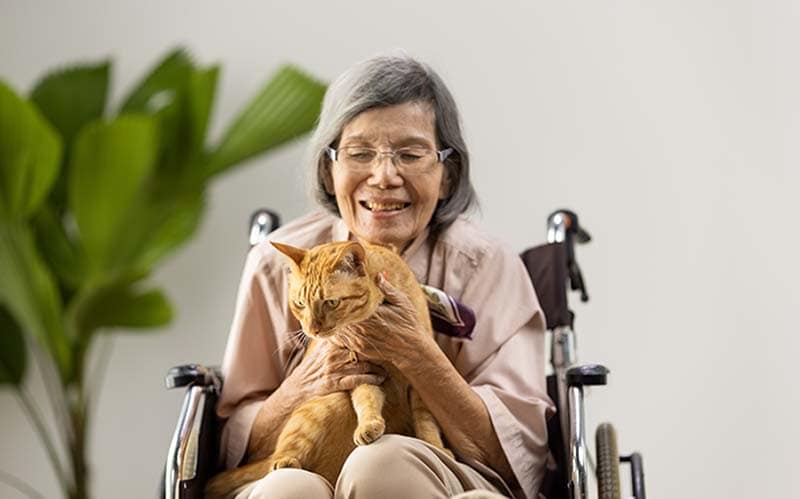
Pets can be beneficial for people of all stripes. Many people love pets, and the bond between animals and humans has been integral for thousands of years. This has raised the question in recent years about whether pets can help people with dementia or Alzheimer's. A batch of new studies has shed more light on the question, and the results are encouraging. It seems that pets can have a net positive impact on people suffering from dementia or Alzheimer’s, though the results will not be the same for every individual or patient. There is also a difference between owning a pet and interacting with pets.
Here is what the data shows about the potential help that pets can provide to people with these conditions.

Owning a Pet
The impact of pet ownership on elderly people suffering from mild to moderate Alzheimer’s disease was evaluated in a study published in 2021.1 Overall, the effects were positive. Participants were surveyed and measured against a baseline once per year over a period of 3 to 5 years. The results were compared between non-pet owners and pet owners. Pet-owning seniors (average age of 75) performed better in overall mental acuity scores over time compared to people who did not own any pets.
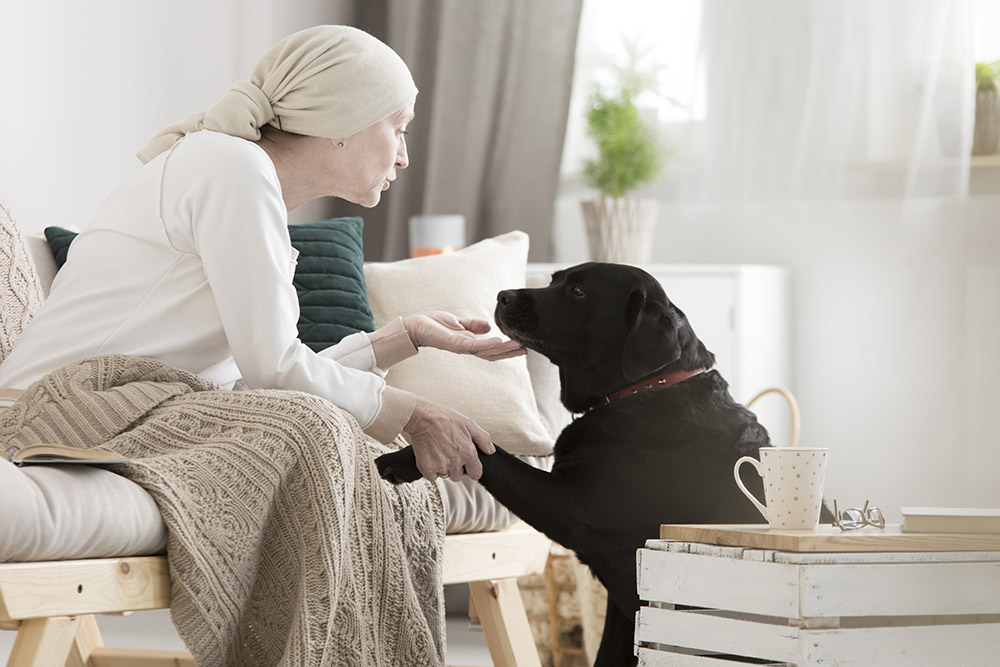
Owning a pet can be beneficial in numerous ways. It can help create an ingrained routine involving the pet, whether it be daily walks or regular feedings. Pets also help reduce stress and loneliness, which can adversely affect dementia symptoms. Depending on the severity of the disease progression, the individual person, and the living situation, a pet can have many positive benefits for someone with Alzheimer’s disease.

Animal Assisted Therapy (AAT)
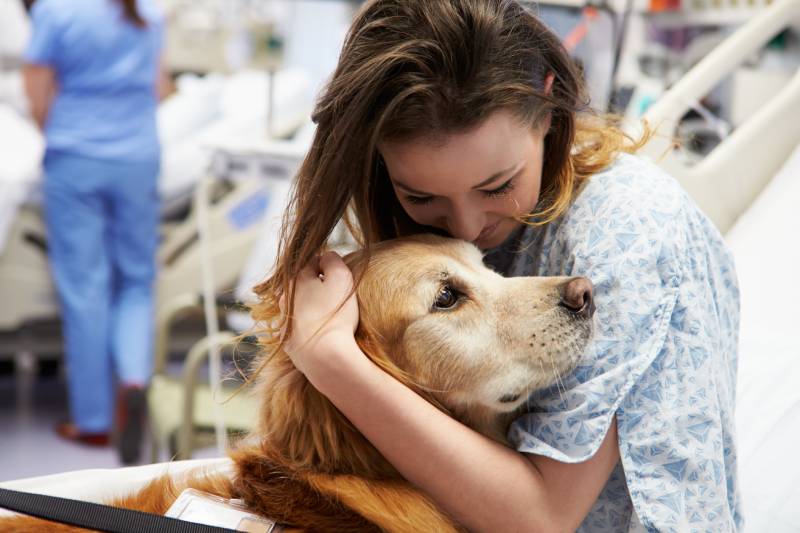
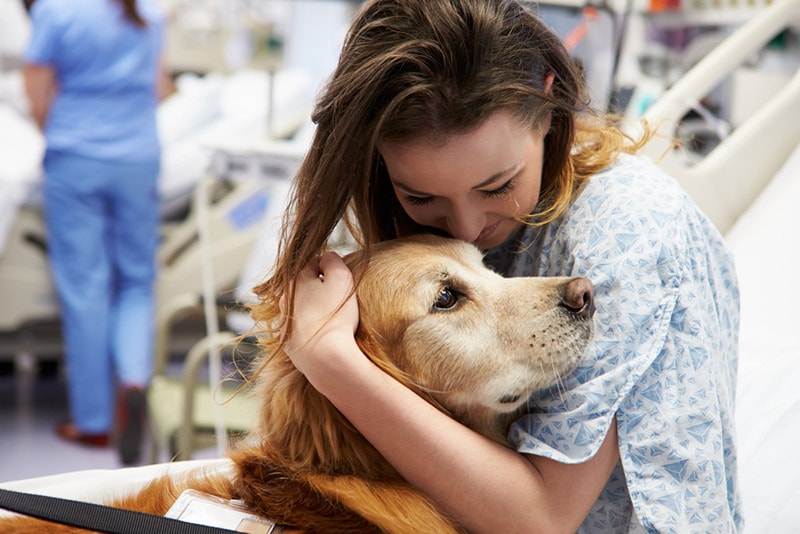
Not everyone is willing or able to own a pet full-time. The good news is that people suffering from dementia can still get the benefits of pets without owning one themselves by participating in animal-assisted therapy (AAT). It includes sessions where people interact with pets to receive the benefits without the burden of pet ownership.
A series of recent studies examined the effects of AAT on people with dementia and found that it can benefit people in certain situations.2 For the best effects, AAT should be provided by a professional as a complementary therapy to other forms of treatment. The severity of the disease, the person’s individual needs, and their personal interests will all impact the overall results.
AAT works best for behavioral and psychological symptoms. However, not every dementia patient will benefit from it.

Things to Consider Before Getting a Pet for Someone With Dementia
Can They Consent to a Pet?
You should never make this kind of decision for someone else, especially someone who might be suffering from dementia. Even if you think that the person might benefit greatly from animal companionship, you should never get them a pet unless they are in a position to consent to it. In certain cases, a caretaker might be able to consent to a pet in their patient's stead if they are willing to help take care of it or explain it to the patient. If the dementia patient cannot consent to a pet or cannot agree to accept a pet, you should not get them one.
Can They Care for a Pet?
Depending on the phase of dementia or progression of Alzheimer's, a person might not be able to effectively care for a pet. Pet neglect and poor care are common side effects of aging owners, especially those with dementia. If you are not confident that your family member or patient can adequately care for a pet, you should not provide them with one. Mobility issues, poor finances, and dementia are all potential indicators of a higher risk of animal neglect, even if it is unintentional.
A person must be able to feed and care for their pet. They have to be able to recognize signs of sickness or injury, and they must be able to respond to those signs by taking the pet to the veterinarian. If a person cannot provide all these basic duties to their pet, they should not have one, even if you think it could benefit them.

Continuity of Care
It is likely that as the person's illness progresses, they'll need help looking after the pet. This will also mean full-time adoption of the pet should their owner be hospitalized or pass away. Although it's sad to think about, plans should be made for who will look after the pet at such a time.
Do They Need a Full-Time Pet or AAT?
Another question to ask is whether the patient would benefit from an owned pet or simply from AAT. Not everyone with dementia will benefit from owning an animal full time. They might get just as many benefits from partaking in AAT. Talk to the person, and try to talk to their caretaker or doctor to discern which option will be best for them.
Conclusion
Pets can indeed help people with dementia or Alzheimer’s disease, but they will not help everyone. Multiple studies have shown that pets have a net positive effect on many dementia patients, but the individual results will depend on several factors. Pet ownership can have a positive effect, but it must be used in conjunction with a doctor or caretaker who can evaluate the person’s ability to take care of or benefit from an animal. The animal’s welfare must also be thoroughly assessed in the decision-making process.
See also: Canine Cognitive Dysfunction Syndrome
Sources
Featured Image Credit: Toa55, Shutterstock
Expert dog care, straight to your inbox
Vet-reviewed advice, training tips, and the best of Dogster. Free, and you can unsubscribe anytime.
By signing up, you agree to our Terms & Conditions and Privacy & Cookies Policy.
Nicole has loved animals of all sizes her whole life so it's no wonder she has dedicated her career to helping them through what she loves best: learning, writing, and sharing knowledge with others. She’s the proud mom of two dogs, a cat, and a human. With a degree in Education and 15+ years of writing experience, Nicole wants to help pet parents and pets around the planet to live happy, safe, and healthy lives.
Join the conversation
Ask a question, share your story, or send private feedback.