Is Pancreatitis Contagious Between Dogs? Vet-Verified Causes, Signs & Care



In this article
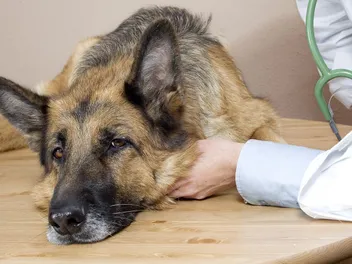
Pancreatitis is relatively common, non-infectious medical problem that can occur in dogs. It is important to understand pancreatitis, as it can affect any dog of any age. Read on and we will talk more about this condition including causes, symptoms, treatment, and ways to prevent it.

What Is Pancreatitis?
The pancreas serves many roles, and some of its functions include the release enzymes that aid in digestion as well as hormones that control the blood sugar in response to carbohydrate and protein ingestion. Pancreatitis is defined as inflammation of the pancreas. This is caused by the premature activation of digestive enzymes in the pancreas due to blockages of the outflow duct or damage to the organ, which then causes destruction of pancreatic tissue. This process is usually painful and can be potentially life-threatening.
Acute Pancreatitis
Acute pancreatitis is when the pancreas becomes inflamed over a short period. Acute pancreatitis is reversible but can also quickly lead to systemic inflammation, shock, and even death if proper treatment is not received.
Chronic Pancreatitis
Chronic conditions develop more slowly over time and while there is no way to distinguish chronic pancreatitis from acute in a clinical setting, chronic pancreatitis can result from the repeated occurrence of acute pancreatitis and is related to permanent changes in pancreatic tissue.
What Causes Pancreatitis?
The cause of pancreatitis is typically unknown, but some factors are associated with the development of the condition:
- High-fat diets
- Medications
- Prior surgery
- Obesity
- Trauma
- Toxins
- Cancer
- Inflammation
- Obstruction of the pancreatic outflow tract due to biliary stones
- Hereditary disorders involving fat metabolism
Breeds Predisposed to Pancreatitis

Pancreatitis can occur in any dog of any age, regardless of the breed but certain purebred dogs have a higher incidence of pancreatitis, these breeds include:
- Miniature Schnauzers
- Poodles
- Cocker Spaniels
- Yorkshire Terriers
Signs of Pancreatitis
The early warning signs of pancreatitis are easy to dismiss as other conditions and may not be obvious at first. Since pancreatitis is a life-threatening condition, owners need to be aware of the symptoms so that the dog can receive prompt veterinary attention.
Signs of pancreatitis include:
If you’re concerned about your pet’s well-being, we recommend you contact a veterinarian.
Diagnosis and Treatment
Diagnosing Pancreatitis
When a dog begins exhibiting symptoms of pancreatitis, it should see a veterinarian as soon as possible. The veterinarian will then go over the dog’s medical history and perform diagnostic testing for proper diagnosis.
The doctor will perform a physical examination and check the gums, heart, stomach, and body temperature and blood tests will be performed to measure pancreatic enzymes. Imaging (such as x-rays and abdominal ultrasound) may be completed to rule out any other issues and they may find it necessary to perform a fine needle aspiration of the pancreas.
Treatment
Management of pancreatitis is dependent on how early it was diagnosed and how severe the symptoms are. Supportive treatment is often given to mild pancreatitis where the dog is given lots of fluids and rest to allow the organ a chance to heal. Fasting may be necessary as well as a low-fat diet but this would be at the secretion of the veterinarian.
In more severe cases, analgesics may be given to control the intense pain and intravenous fluids will help maintain fluid and electrolyte balance within the body. In a lot of instances, medications to control vomiting or diarrhea will be administered. If an infection has occurred as a result of pancreatitis, antibiotics will also be part of the treatment.
Prognosis
The prognosis of pancreatitis is dependent on the severity of symptoms, how much damage has been done to the pancreatic tissue, the length of time the illness has been going on, and the presence of any other diseases such as diabetes. Evaluation will be done by the veterinarian in any specific situation and a prognosis will be provided.

Preventing Pancreatitis
Pancreatitis is a condition that can happen out of the blue for causes that will remain unknown. There are some preventative measures you can take to help minimize the risk of pancreatitis and it’s important to do so regardless, especially if you have a breed that is predisposed to the condition.
- Feed your dog a high-quality diet that is appropriate for their age, size, and activity level with a healthy balance of protein, fat, and fiber.
- Avoid high-fat treats, table scraps, or any fatty foods.
- Obese dogs should see a veterinarian and begin a weight management plan.
- For at-risk breeds, talk to your veterinarian about avoiding any medications that can cause pancreatitis.
- Talk to your veterinarian about supplements like probiotics that aid in digestion.
Conclusion
Pancreatitis is not contagious between dogs but is a very serious condition that can be a terrifying experience for dog owners. The best thing you can do is take preventative measures by minimizing risk factors, you can reduce your dog’s chances of developing pancreatitis. If you notice your dog displaying any unusual symptoms, contact your veterinarian immediately.
Sources
Featured Image Credit: PixieMe, Shutterstock
Expert dog care, straight to your inbox
News, insights, expert advice, and everything dog.

No spam — unsubscribe anytime.
By signing up, you agree to our Terms & Conditions and Privacy & Cookies Policy.
How useful was this post?
Click a star to rate. You can leave written feedback afterwards. (We read all feedback.)
I am a wife, mother, nature enthusiast, animal lover, and business major. I was born and raised in Ohio but now live in Tulsa, Oklahoma. We share our home with a German Shepherd, several snakes, tarantulas, and a couple rescue cats.
My husband and I enjoy traveling the US with our kids and photographing wildlife. My passion is to educate others on the importance of proper animal care, with an emphasis on reptiles and exotics since their care requirements can be much more complex. I am also a huge advocate for bully breeds. I feel most at home in the forest either on horseback or in hiking boots.