Dogster is reader-supported. When you buy via links on our site, we may earn a commission at no cost to you. Learn more.

Ask the Vet

How to Comfort a Dog With Pancreatitis: 5 Vet Approved Recommendations


Dr. Sharon Butzke
Written and fact-checked by Dr. Sharon ButzkeVet Approved
Dr. Sharon Butzke
Reviewed & Fact-Checked byDr. Sharon ButzkeDVM (Veterinarian)
Sharon has been drawn to animals for as long as she can remember. She was raised in Ontario, Canada and fulfilled her childhood dream when she obtained her Doctor of Veterinary Medicine (DVM) degree from the Ontario Veterinary College in 2009. Since then, she has worked in a variety of small animal clinics, with a focus on cats and dogs. She loves sharing her knowledge and empowering people to take the best possible care of their pets! Sharon currently resides in British Columbia with her husband, daughter, and a loveable Great Dane named Parker.View authorThe information is current and up-to-date in accordance with the latest veterinarian research. Learn more
Updated on June 17, 2026
Share
woman touching dog's stomach on couch

If your pup has been diagnosed with pancreatitis, they are probably feeling pretty yucky. Naturally, you want to do everything you can to help them!

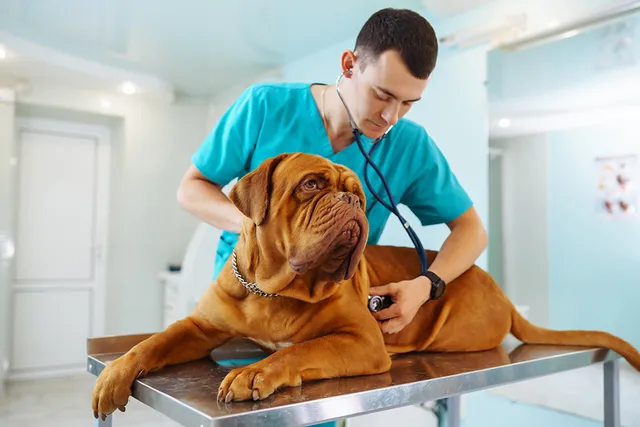
It is important to remember that pancreatitis is a condition that requires medical treatment. Affected dogs often benefit from a hospital stay, at least initially, to ensure they are hydrated, their pain and nausea well-managed, and they are eating on their own.

The tips included in this article should only be considered after your pup has been examined by a veterinarian, who has determined that it is safe for them to be treated at home. Be sure to follow all of their home care directions closely!

divider dog paws 2 oct 2024

What Is Pancreatitis?

Despite its small size, the pancreas is a hugely important organ. It makes digestive enzymes to help break down the food your pup eats, and critical hormones (like insulin) to regulate their blood sugar.

Pancreatitis is a painful condition that occurs when the pancreas becomes inflamed. This can happen out of the blue (acute pancreatitis) or become a longstanding condition (chronic pancreatitis).

Image Credit: Alice Rodnova, Shutterstock

How Is Pancreatitis Treated?

Many patients with pancreatitis need to stay in the hospital for a few days so they can receive intravenous (IV) hydration, electrolytes, pain medication, and anti-nausea drugs. This will help your pup feel better faster, and start eating on their own again sooner (which improves their prognosis).

Here are some of the fundamental principles of treating pancreatitis in dogs, with tips you can implement at home during your dog’s recovery.

divider dog paws 2 oct 2024

The 5 Tips for Caring for Dogs With Pancreatitis

1. Pain Control

Pancreatitis is known to be painful. Even if your pup is not showing obvious signs of discomfort, it is best to give them the benefit of the doubt and administer pain medication as directed by your veterinarian.

What you can do to help:

  • Only give your dog pain medication that your veterinarian specifically prescribed for pancreatitis
  • Give your pup’s prescribed medication according to the schedule recommended by your veterinarian, even if they are not showing obvious signs of discomfort
  • Use meatballs of low-fat prescription canned food to disguise pills; avoid high-fat treats like cheese or peanut butter, as these can make pancreatitis worse
Image By: SeventyFour, Shutterstock

2.  Manage Nausea

Dogs with pancreatitis are often nauseous because their inflamed pancreas sits right next to their stomach. It is important to manage their nausea so they feel as comfortable as possible, and to help maintain their appetite. Prescription anti-nausea medications like Cerenia® (maropitant citrate) are highly effective.

What you can do to help:

  • Give your pup’s anti-nausea medication as instructed by your veterinarian, even if you do not think they are nauseous

3. Encourage Your Pup’s Appetite by Offering Small, Frequent Meals of a Low-fat, Highly Digestible Food

In the past, veterinarians often recommended fasting dogs with pancreatitis (i.e., withholding food; sometimes for days) in order to give the organ a “rest.” We now know, however, that good nutrition is extremely important for recovery and that pancreatitis patients who start eating sooner tend to do better!

The ideal diet for dogs with pancreatitis is low in fat and easy to digest. Your veterinarian may recommend a prescription food, or suggest temporarily cooking a bland diet for your pup at home (e.g., plain boiled rice with lean cooked chicken or ground beef).

What you can do to help:

  • Never try to force your dog to eat or syringe food into their mouth; force-feeding is extremely unpleasant for your dog, can lead to aspiration pneumonia, and may cause food aversions
  • Offer 3 or 4 small meals per day of the low-fat, highly-digestible diet recommended by your veterinarian, until your pup is fully recovered
  • Gradually transition to the long-term food recommended by your veterinarian (typically low in fat) to help decrease the likelihood of pancreatitis happening again

4. Rest and TLC

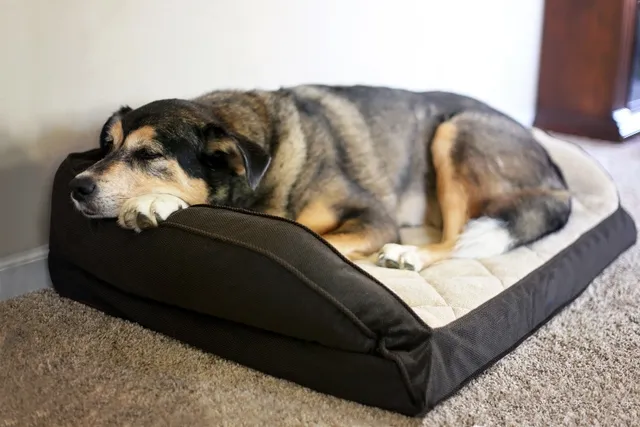
Dogs with pancreatitis need lots of rest in order to recover, so plan on having a few quiet days at home. Some pups might enjoy soaking up some extra cuddles, while others would rather be left alone until they are feeling better.

What you can do to help:

  • Limit your pup’s activity to quick bathroom breaks outside and short leash walks
  • Pay attention to your dog’s signals: feel free to offer extra affection as long as they are enjoying it, but give them space if needed
Image By: ALEX_UGALEK, Shutterstock
divider single dog paw oct 2024

A Note About a Newly-Approved Treatment for Pancreatitis in Dogs

In November 2022, the Food and Drug Administration (FDA) conditionally approved a new drug called Panoquell®-CA1 (fuzapladib sodium) for the treatment of pancreatitis in dogs. It has been used in Japan since 2018, with very promising results!

This medication is administered by intravenous (IV) injection while patients are in the hospital. Watch for more information to come about this exciting development.

divider dog paws 2 oct 2024

In Conclusion

Pancreatitis is a medical condition that requires veterinary treatment. It can be difficult to leave your beloved pup in the hospital, but it is often the best place for them to start their recovery. Hopefully, you will be reunited after just a few days and you can continue their nursing care at home!

Always follow your veterinarian’s directions closely, including their long-term feeding plan, to help prevent pancreatitis from recurring.

Sources

Featured Image Credit: DimaBerlin, Shutterstock

The Dogster Newsletter

Expert dog care, straight to your inbox

News, insights, expert advice, and everything dog.

No spam — unsubscribe anytime.

By signing up, you agree to our Terms & Conditions and Privacy & Cookies Policy.

Click a star to rate. You can leave written feedback afterwards. (We read all feedback.)

Dr. Sharon Butzke DVM (Veterinarian)
Authored by

Dr. Sharon Butzke DVM (Veterinarian)

Pancreatitis in Dogs: Our Vet Explains Signs, Causes & Care Guide

Pancreatitis in Dogs: Our Vet Explains Signs, Causes & Care Guide

Pancreatitis in dogs is up there with the most serious forms of “tummy ache”. The pancreas is an organ in the abdomen responsible for producing hormones such a…

Dr. Joe Mallat
By Dr. Joe Mallat · 3 weeks ago
Dog Pancreatitis Recovery Time – Will My Dog Get Better? (Vet Answer)

Dog Pancreatitis Recovery Time – Will My Dog Get Better? (Vet Answer)

Around the holidays, you may see a lot of information on dogs getting pancreatitis. Can your dog recover from pancreatitis, and how long will it take? Before w…

Dr. Kim Podlecki
By Dr. Kim Podlecki · 3 weeks ago
Can Dogs With Pancreatitis Eat Eggs? Vet-Approved Facts & FAQ

Can Dogs With Pancreatitis Eat Eggs? Vet-Approved Facts & FAQ

Pancreatitis is one illness you want to take seriously, as mismanaging this disease can quickly become fatal. Pancreatitis is the inflammation of the pancreas,…

Luxifa Le
By Luxifa Le · 1 day ago
How to Feed Dogs With Pancreatitis: 6 Tips & Tricks

How to Feed Dogs With Pancreatitis: 6 Tips & Tricks

Feeding a dog with pancreatitis (inflammation of the pancreas) can be difficult, especially when it comes to finding the right diet for them during recovery an…

Sarah Psaradelis
By Sarah Psaradelis · 2 weeks ago

What to Feed a Diabetic Dog That Won't Eat: 6 Mealtime Tips (Vet Answer)

Diabetes management in dogs can be a complicated dance between timed feedings, insulin administration, and exercise. When all these elements work in concert, a…

Dr. Chyrle Bonk
By Dr. Chyrle Bonk · June 17, 2026
What to Feed a Diabetic Dog That Won't Eat: 6 Mealtime Tips (Vet Answer)

Dog Diarrhea: Our Vet Discusses Signs, Causes & Treatment

Almost all dog owners have encountered diarrhea at some point in their dog's life. A variety of causes can lead to diarrhea in puppies and dogs. Luckily, most…

Dr. Emma Chandley BVM
By Dr. Emma Chandley BVM · June 17, 2026
Dog Diarrhea: Our Vet Discusses Signs, Causes & Treatment

How to Massage a Dog with Arthritis: 6 Expert Tips (Vet Answer)

Arthritis is a common condition that affects many dogs, particularly as they age. Thankfully, there are many effective ways of managing canine arthritis. Nutri…

Dr. Joe Mallat
By Dr. Joe Mallat · June 29, 2026
How to Massage a Dog with Arthritis: 6 Expert Tips (Vet Answer)

Back Pain in Dogs: Our Vet Explains Signs, Causes & Treatment

You probably know that back pain is common in us two-legged humans. Many people don’t know, however, that back pain is also relatively common in their four-leg…

Dr. Joe Mallat
By Dr. Joe Mallat · June 17, 2026
Back Pain in Dogs: Our Vet Explains Signs, Causes & Treatment

Liver Disease in Dogs: Our Vet Discusses Signs, Causes & Treatments

The liver is an impressive organ! Not only is it like the body’s oil filter, but it also has the ability to regenerate should it become injured or damaged. How…

Dr. Chyrle Bonk
By Dr. Chyrle Bonk · June 29, 2026
Liver Disease in Dogs: Our Vet Discusses Signs, Causes & Treatments

Love Dogs? So Do We! Join the Dogster Community

Stay informed with expert pet care insights delivered straight to your inbox! Discover professional guidance on animal behavior, feeding tips, trusted product picks, and much more.

You may opt-out at any time. View our Privacy Policy for more information.

The Dogster app on a phone