Does My Dog Need to Play With Other Dogs? Social Facts & Tips


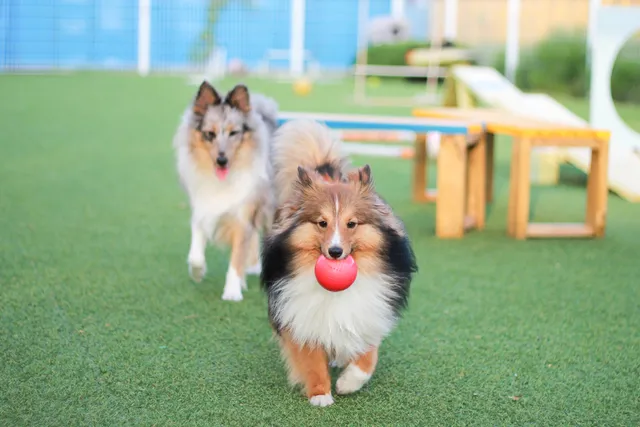
Dogs are man’s best friend for many reasons, one being their excellent entertainment value. Pup parents get hours of fun out of playing with their fluffy friends, whether playing fetch, tug of war or “why did you leave me a present in my slipper?”.
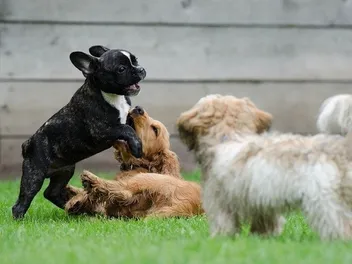
However, dogs playing with other dogs is different; some live to be social and romp with their canine companions, while others don't like to share and would much rather play by themselves with a favorite toy. So, do dogs need to play with other dogs?
Dogs are inherently social animals, and playtime and positive interactions with other canines are important for most dogs. Puppies and dogs play for the same reasons, and regular positive play with members of their species can facilitate brain development, social connections, and behavioral expectations1.

Is It Bad If My Dog Doesn’t Play With Other Dogs?
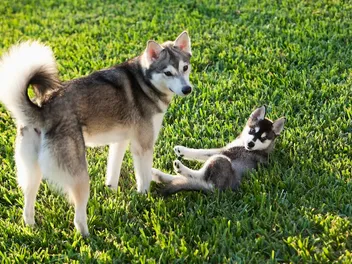
It isn't inherently wrong if your dog doesn't want to socialize with other dogs, as long as you meet its needs. Some breeds are more disposed to playing socially than others. While breeds such as scent hounds and huskies are more predisposed to want canine interaction (being working ‘pack’ animals), the individual still matters, and early socialization is key to having a well-adjusted dog.
It's important to socialize puppies from an early age since they have a critical socialization period of around 12 to 16 weeks. This period marks essential experiences with other dogs, from bite inhibition and appropriate play with their mother to encountering other dogs on walks. If puppies don’t get this vital socialization, they can experience behavioral issues in the future. It is important to note that these should be positive experiences as a negative one at this time can really leave its mark mentally.

How Often Should I Let My Dog Play With Other Dogs?
The amount of time your dog should play with other dogs will vary depending on their character, how they interact with other dogs, and your lifestyle. If you live in a highly populated area and often encounter other dogs in the park or out on walks, encouraging your dog to have positive interactions with other dogs will build confidence and help them to learn. If you live somewhere rural and your dog doesn't show much interest in other dogs, it’s less important. Dogs that are actively reactive around other dogs should not be allowed to play but rather engage in training with a qualified dog behaviorist.
Why Do Dogs Play With Other Dogs?
Dogs play with other dogs to display several types of inherent behavior, which is not immediately apparent to us. Dogs have a large catalog of body language that comes into play, ranging from the outwardly noticeable such as the “play stance” to much more subtle cues, such as the length of time eye contact is held.
Dogs that enjoy canine interaction will benefit from play by being able to show the behaviors and receive the expected response back. The beginning and end of play are important, and how a play session ends will cement the experience in the dog’s mind.
A bad end to play may make them wary of that particular dog in the future, while a good end may build your dog's confidence and help them feel secure in themselves.

How Can I Help My Dog Play With Other Dogs?
Supervised play is a must when it comes to introducing two new dogs, and unless they live together and have done so for a good while, we would always recommend supervising your dog's play. Introducing new toys can be an excellent source of enrichment and the start of endless games between dogs. Still, it can also spark territorial aggression, and watching out for the subtle (and not-so-subtle) changes in body language can help you identify the moment when play turns into actual aggression. If a dog suddenly snaps, flattens its ears, or retreats and hunches over, it may be a sign that things are getting too heated. Calling your dog back and distracting them is the ideal way to resolve the tension.

In Conclusion
Dogs need to play with others if they are socialized with other dogs and like their company. While every puppy should be positively exposed to other canines during the critical socialization period, older dogs that don’t like to play should be okay to have limited contact with them, providing they’re well-adjusted, happy, and healthy.
Sources
Featured Image Credit: Frauke Riether, Pixabay
Expert dog care, straight to your inbox
News, insights, expert advice, and everything dog.

No spam — unsubscribe anytime.
By signing up, you agree to our Terms & Conditions and Privacy & Cookies Policy.
How useful was this post?
Click a star to rate. You can leave written feedback afterwards. (We read all feedback.)
Beth is a mom to two kids: one with four legs, one with two. Beth has years of practical experience as a veterinary care assistant , working in both the consult and in operating room, expanding her knowledge to gain certification in her favorite subject: feline behavior and welfare! When she's not writing about her favorite topics (cats and creature comforts), she's looking after her daughter and her mischievous Nebelung, Kiba. When she gets a moment to herself, Beth loves to delve into fiction books. Horror is her favorite genre, with fantasy and rich history being her second go-to's.